Abstract
A comprehensive technical guide to the wool carbonization process, covering the chemical principles, industrial procedures, quality control standards, and commercial applications of carbonised wool in textile manufacturing. This article provides B2B buyers with actionable insights into equipment selection, process optimization, and compliance requirements.
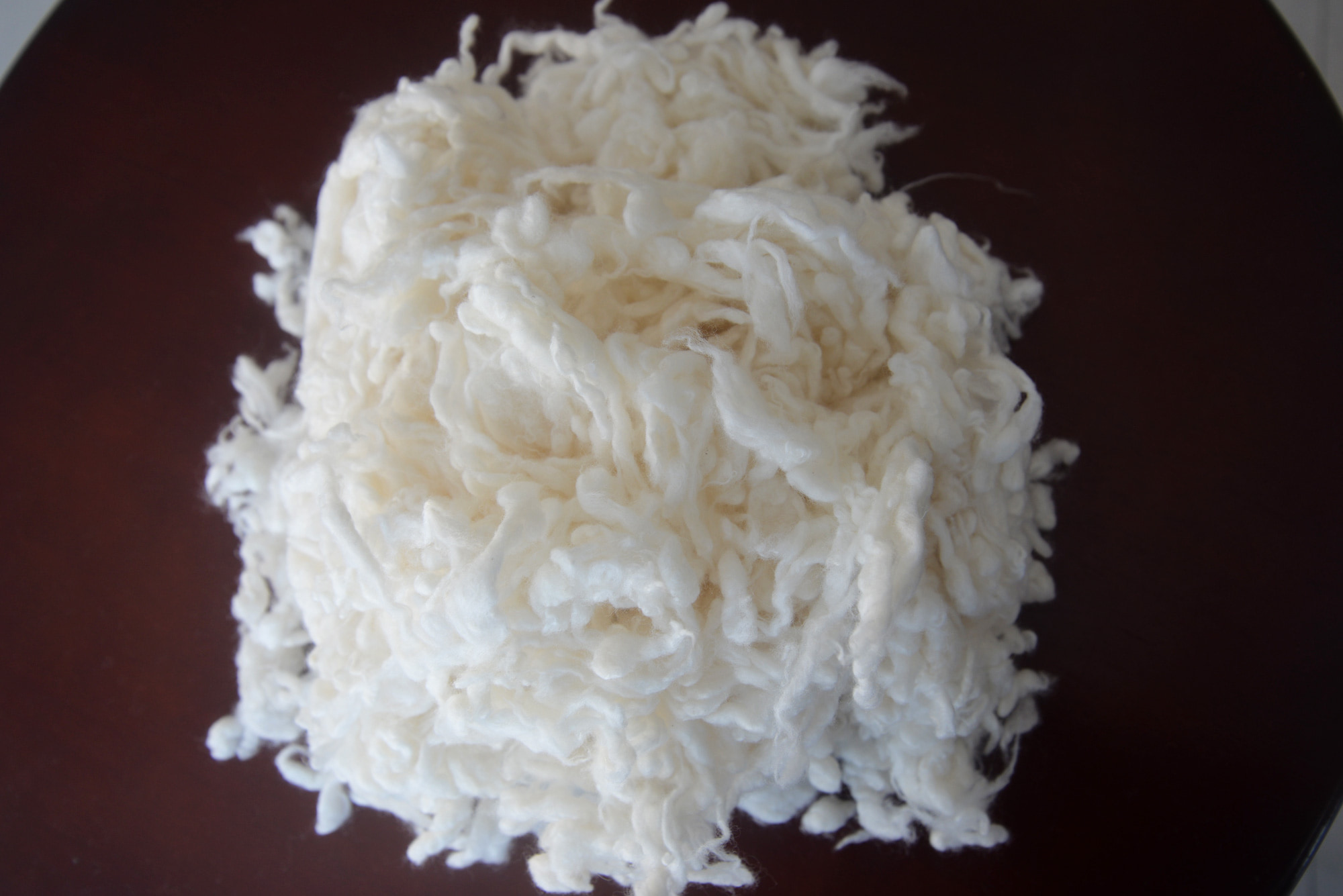
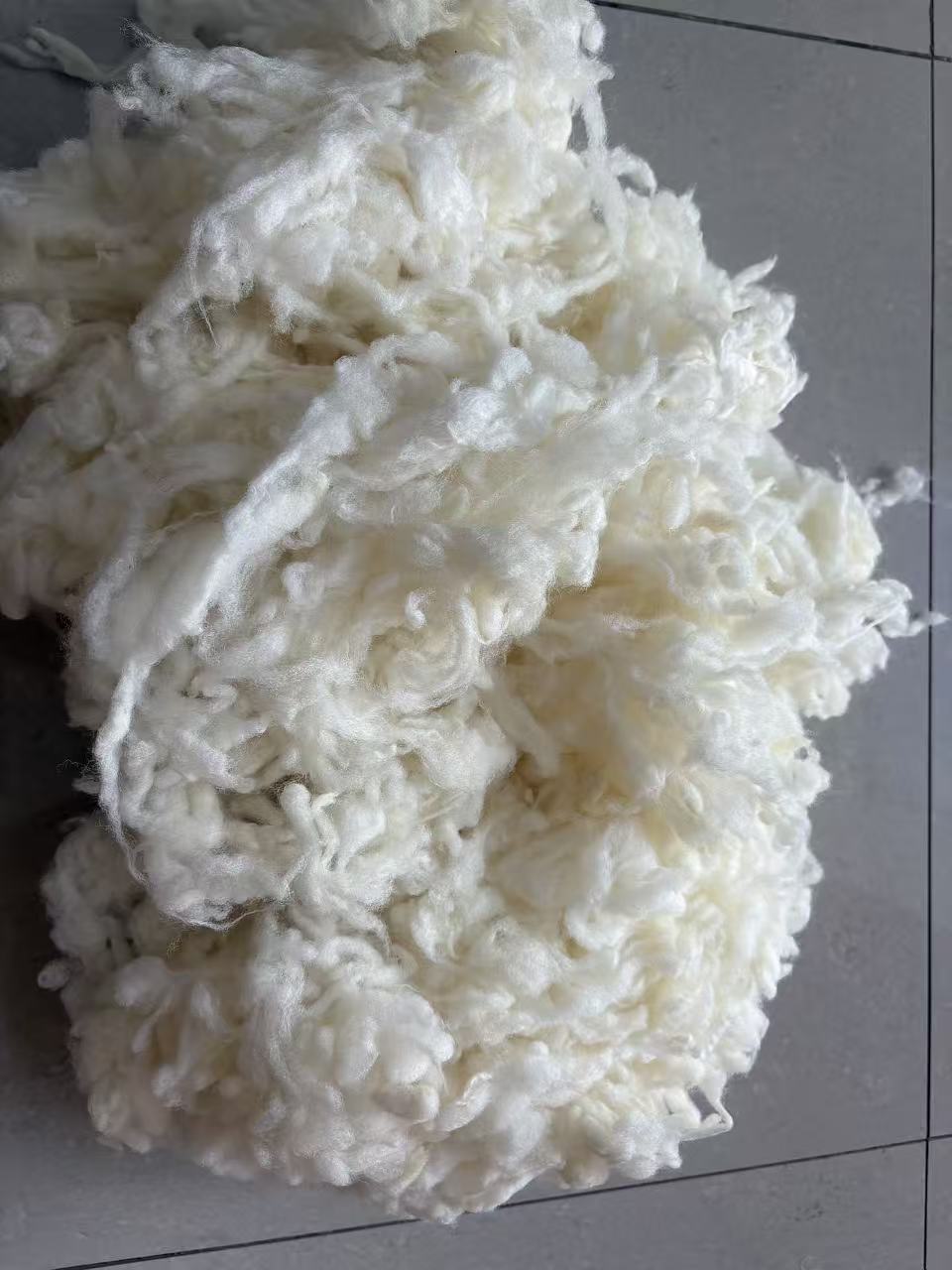
Wool carbonization is a vital step in textile processing that purifies the material, allowing manufacturers to create high-quality worsted fabrics, carpets, and technical textiles by removing vegetable matter contamination.
This chemical treatment is carefully controlled to maintain wool’s natural protein structure while selectively breaking down cellulose-based impurities through the use of sulfuric acid and heat.
Knowing the exact parameters—such as acid levels, baking temperatures, and neutralization methods—directly influences product yield, fiber strength, and marketability.
For procurement managers and textile engineers, understanding the basics of carbonization helps ensure accurate supplier qualification, reduce costs, and meet international quality standards.
Understanding Wool Carbonization: Chemical Principles and Purpose
What is Wool Carbonization and Why It Matters?
Wool carbonization is a chemical purification process that removes vegetable matter (VM) from raw wool fibers using dilute sulfuric acid and controlled heat. During sheep shearing and wool harvesting, fibers inevitably collect plant debris—seeds, burrs, straw, and grass fragments—that cannot be eliminated through mechanical scouring alone. These cellulosic contaminants compromise yarn strength, create surface defects in finished fabrics, and reduce dyeing uniformity.
The carbonization process targets cellulose specifically while maintaining the keratin protein structure of wool. This selectivity is essential: wool fibers are made up of intricate amino acid chains with disulfide bonds that resist acidic environments within certain pH levels, whereas plant cellulose easily hydrolyzes under the same conditions.
Industrial carbonization usually removes 95-98% of vegetable matter, converting contaminated fleece into high-quality fiber appropriate for worsted spinning systems that require outstanding cleanliness.
For textile manufacturers, carbonised wool provides three commercial benefits: less processing downtime due to fewer yarn breaks during spinning, better fabric appearance by removing neps and foreign fiber specks, and more consistent dye absorption. These advantages support the 8-12% higher price that carbonised wool fetches compared to mechanically cleaned options in global markets.
The Chemistry Behind Sulfuric Acid Treatment
The carbonization reaction takes advantage of the chemical weakness of cellulose β-1,4-glycosidic bonds to acid hydrolysis. When wool containing vegetable matter is soaked in dilute sulfuric acid (H₂SO₄ concentration 4-7%), hydrogen ions (H⁺) facilitate the breaking of polysaccharide chains into soluble glucose derivatives. Further baking at 90-110°C speeds up dehydration reactions, transforming hydrolyzed cellulose into a brittle carbonaceous residue that breaks apart during mechanical finishing.
Wool keratin’s resistance arises from its amphoteric nature. At pH 1.5-2.5 (typical carbonization acidity), wool fibers are in a protonated state where positively charged amino groups generate electrostatic repulsion, preventing acid from penetrating the fiber cortex. The critical threshold is pH 1.0—below this level, peptide bond hydrolysis starts, leading to irreversible fiber damage. Industrial formulations keep the acid concentration at 5-6% (around 50-60 g/L H₂SO₄) to balance the efficiency of cellulose decomposition with keratin safety margins.
Temperature control during baking is just as important. At 95-105°C, water escapes from acid-treated fibers, while cellulose forms char without setting wool on fire. Going over 115°C can burn wool tips and break down cystine crosslinks, lowering tensile strength by 15-20%. Today’s continuous carbonization systems use multi-zone ovens with accurate thermal profiling to make the most of this limited processing range.
Industrial Carbonization Process: Equipment and Step-by-Step Procedures
Pre-Treatment and Acid Application Stage
Raw wool entering carbonization lines first undergoes sorting and opening to remove heavily contaminated locks and separate fiber grades by staple length. Industrial facilities typically process 500-2000 kg batches, using willow machines or roller openers to disentangle compressed bales and expose vegetable matter for uniform acid penetration.
Acid preparation demands accurate dilution procedures. Technical grade sulfuric acid (93-98%) is gradually poured into water—never the other way around—to avoid splashing caused by heat. The desired working concentration varies between 4.5% and 6.5%, depending on the amount of vegetable material.
- Light contamination (<2% VM): 4.5-5.0% H₂SO₄, 15-20 minutes immersion
- Moderate contamination (2-5% VM): 5.5-6.0% H₂SO₄, 25-30 minutes immersion
- Heavy contamination (>5% VM): 6.0-6.5% H₂SO₄, 30-40 minutes immersion
Wool is passed through padding mangles or spray application systems that attain a 60-80% wet pickup (the weight of acid solution compared to dry wool weight). Achieving uniform saturation is essential—areas that are under-treated may still contain vegetable matter, whereas over-saturated zones could lead to acid pooling and localized fiber damage. Continuous systems use perforated drums rotating at 8-12 RPM to provide consistent distribution throughout the fiber mass.
Following impregnation, wool remains in holding chambers for 10-20 minutes at ambient temperature (18-25°C). This dwell time enables acid to penetrate vegetable matter cell walls and start cellulose hydrolysis prior to the commencement of thermal treatment.
Baking and Neutralization Operations
Thermal processing occurs in industrial ovens designed for wool’s low thermal conductivity. Batch systems use static chambers with forced air circulation; continuous lines employ conveyor ovens with 3-5 temperature zones:
- Pre-heating zone: 70-80°C, evaporates surface moisture (5-8 minutes)
- Carbonization zone: 95-105°C, completes cellulose charring (12-18 minutes)
- Cooling zone: 60-70°C, stabilizes fibers before neutralization (3-5 minutes)
Total oven residence time varies from 20 to 30 minutes depending on wool thickness and moisture content. Over-baking results in yellowing and brittleness, while under-baking leaves incompletely carbonized vegetable matter that can survive subsequent processing.
Neutralization immediately follows baking to stop residual acid activity. Wool is treated with sodium carbonate (Na₂CO₃) solution baths at concentrations of 2-4% and temperatures between 40-50°C. The reaction:
H₂SO₄ (residual) + Na₂CO₃ → Na₂SO₄ + H₂O + CO₂
It produces sodium sulfate, a neutral salt, and releases bubbles of carbon dioxide. The two-stage neutralization process—initially at pH 6.5-7.0, then at pH 7.5-8.0—guarantees thorough removal of acid without excessively alkalizing the fibers. The final rinse employs soft water with a hardness below 100 ppm at a temperature of 35-45°C for 10-15 minutes, then uses hydroextraction to achieve a moisture content of 45-55%.
Process Parameters Comparison
| Process Stage | Temperature (°C) | Duration (min) | Chemical Concentration (%) | Equipment Type |
|---|---|---|---|---|
| Acid Impregnation (Batch) | 20-25 | 25-35 | 5.0-6.5 H₂SO₄ | Paddle vats |
| Acid Impregnation (Continuous) | 22-28 | 2-4 | 5.5-6.0 H₂SO₄ | Padding mangles |
| Baking (Batch) | 95-105 | 20-30 | N/A | Static ovens |
| Baking (Continuous) | 98-108 | 15-22 | N/A | Conveyor ovens |
| Neutralization | 40-50 | 10-15 | 2.5-4.0 Na₂CO₃ | Flow-through tanks |
| Final Washing | 35-45 | 12-18 | N/A | Counter-current washers |
Quality Control and Compliance Standards
Testing Carbonised Wool Quality
Residual acid testing employs pH measurement and direct titration. Fiber samples are extracted in distilled water (1:50 ratio) for 30 minutes at 60°C, then tested with pH indicators. Acceptable limits are pH 6.0-7.5; values below 5.5 indicate incomplete neutralization requiring reprocessing. Quantitative analysis uses 0.1N sodium hydroxide titration to measure acid content—specifications typically mandate <0.5% residual H₂SO₄ by weight.
Fiber strength retention is evaluated using single fiber tensile testing according to ASTM D3822. Wool that is properly carbonized maintains 92-97% of its original breaking strength. When losses surpass 10%, it indicates over-processing or too high acid concentration. Bundle strength testing, following the IWTO-32 standard, offers validation at the production scale, with acceptable tenacity values ranging from 10 to 14 cN/tex for medium wool grades.
The efficiency of vegetable matter removal is measured by the IWTO-19 alkali solubility test. For premium grades, residual VM content should be no more than 0.5%, while for standard grades, it should not exceed 1.0%. Under 10x magnification, visual inspection detects incompletely carbonized particles, which look like brown specks compared to the black char of properly treated material.
Color and handle assessment uses instrumental colorimetry (Lab* values) and subjective grading. Carbonization usually causes wool to become 2-4 units darker on the L* scale; excessive yellowing (b* values >15) suggests thermal degradation. Handle assessment evaluates for harshness or brittleness that could impair spinning performance.
Industry Standards and Certifications
The International Wool Textile Organisation (IWTO) publishes test methods IWTO-19 (VM content), IWTO-32 (fiber strength), and IWTO-52 (residual chemicals) that form the basis for commercial carbonised wool specifications. European buyers often reference these alongside national standards like BS 2043 (UK) or DIN 53866 (Germany).
OEKO-TEX Standard 100 certification for carbonised wool involves proving that residual sulfuric acid, sodium sulfate, and thermal degradation byproducts are below human-ecological limits. For Product Class II (direct skin contact), the requirements include a pH of 4.0-7.5 and extractable sulfate levels less than 250 ppm.
Environmental compliance emphasizes the neutralization and disposal of acid waste. The EU Industrial Emissions Directive (2010/75/EU) and the US Clean Water Act set limits on sulfate discharge, usually between 250 and 500 mg/L in effluent. Closed-loop acid recovery systems—employing evaporation or ion exchange—lower disposal expenses while adhering to environmental regulations.
ISO 9001 quality management certification shows process consistency, which is essential for B2B buyers needing uniformity between batches. Top carbonization plants use statistical process control (SPC) charts to monitor acid concentration, baking temperature, and neutralization pH, with Cpk values exceeding 1.33.
Commercial Applications and Sourcing Considerations
End-Use Industries for Carbonised Wool
Worsted fabric production uses 60-70% of the world’s carbonized wool output. The fine, clean fibers allow for high-twist yarns (800-1200 turns per meter) that are used in suiting, dress fabrics, and technical textiles. Removing short fibers and VM particles through carbonization decreases yarn hairiness by 30-40% compared to mechanically processed wool, enhancing fabric smoothness and minimizing pilling.
Carpet manufacturing uses coarser carbonised wool (28-35 micron) to create durable, resilient pile yarns. The process removes vegetable matter that could form weak points in tufted or woven carpets, increasing the product lifespan by 15-25%. The improved dye uniformity of carbonised wool results in richer, more consistent colors in patterned carpets.
Industrial felt applications—such as gaskets, polishing wheels, and insulation—gain advantages from the structural integrity of carbonized wool. Eliminating cellulosic contaminants helps prevent microbial degradation in environments exposed to moisture, which is essential for automotive and industrial sealing applications where felt needs to sustain compression resistance throughout 5-10 years of service.
Specialty applications encompass wool-based composites for automotive interiors, where VM-free fibers inhibit odors and mold, acoustic insulation panels, and bio-based geotextiles. These developing markets appreciate carbonized wool’s blend of natural sustainability and engineered cleanliness.
Supplier Evaluation Criteria
Production capacity assessment should verify throughput rates (kg/hour), batch size flexibility, and lead times. Established carbonization facilities process 5,000-15,000 kg daily using continuous systems; smaller operations run 1,000-3,000 kg batch cycles. Buyers requiring consistent supply should prioritize suppliers with redundant equipment and buffer inventory capacity.
Quality consistency indicators include:
- Process documentation: SOP manuals detailing acid concentrations, temperatures, and testing frequencies
- Traceability systems: Batch coding linking finished wool to raw material origin and processing parameters
- Defect rates: Historical data showing <2% rejection rates for residual VM or strength loss
- Certification currency: Valid OEKO-TEX, ISO 9001, or equivalent credentials updated within 12 months
Minimum order quantities (MOQ) usually vary from 500 kg for small specialty processors to 5,000 kg for large-scale operations. Negotiating blended MOQs—merging different fiber grades or micron counts—can lower per-unit costs by 8-15% while satisfying volume requirements.
Lead time expectations differ depending on the production method: continuous systems typically provide a 7-14 day turnaround for stock grades, whereas custom specifications such as specific micron ranges and color requirements may take 21-30 days. Seasonal demand peaks from August to October in the Northern Hemisphere can increase lead times by 30-50%; forward contracting helps reduce this risk.
Technical support capabilities, such as fiber testing services, process troubleshooting, and application development assistance, set premium suppliers apart. Vendors that provide on-site audits, sample carbonization trials, and yarn spinning recommendations offer additional value beyond just commodity pricing.
FAQ Module
1. What is the typical yield loss during the wool carbonization process?
Yield loss varies between 8-15% depending on the initial vegetable matter content and wool quality. The loss consists of three parts: vegetable matter removal (3-8%), short fiber removal during opening and washing (3-5%), and moisture reduction (2-3%).
Contamination with heavy VM (>5%) can increase losses to 18-20%. Buyers should consider this when estimating raw material costs—carbonised wool priced at $8-12/kg effectively costs $9.50-14/kg after adjusting for yield loss from raw wool feedstock.
2. Can the carbonization process damage wool fibers permanently?
Yes, if process parameters exceed safe thresholds. Over-acidification (>7% H₂SO₄ or pH <1.0) hydrolyzes peptide bonds, reducing tensile strength by 15-30% and causing irreversible yellowing. Excessive baking temperatures (>115°C) degrade cystine crosslinks, making fibers brittle and prone to breakage during spinning.
Properly controlled carbonization (5-6% acid, 95-105°C baking) causes minimal damage—typically <5% strength loss—which is recoverable through subsequent conditioning. Reputable suppliers provide fiber strength certificates demonstrating compliance with IWTO-32 standards (≥92% strength retention).
3. What are the cost differences between carbonised and scoured wool?
Carbonised wool commands a 25-40% premium over scoured wool due to processing costs ($1.50-2.50/kg for carbonization) and yield losses. Market prices as of 2024 show that scoured 21-micron Merino averages $10-13/kg, while equivalent carbonised wool sells for $13-17/kg.
However, downstream savings offset this premium—carbonised wool reduces yarn waste by 12-18%, shortens spinning cycle times by 8-12%, and improves fabric quality, lowering total manufacturing costs by 6-10% for worsted producers. For high-value applications such as luxury suitings and technical textiles, the quality advantages of carbonised wool justify its premium pricing.
Conclusion
Wool carbonization converts contaminated raw fiber into high-quality textile feedstock through accurate chemical and thermal treatment.
The process depends on strict control of specific parameters—such as 5-6% sulfuric acid concentration, baking temperatures between 95-105°C, and thorough neutralization—to effectively remove vegetable matter while maintaining wool’s natural strength and texture.
Industrial application demands investment in specialized equipment like padding mangles, multi-zone ovens, and neutralization systems, along with strict quality control procedures that comply with IWTO and OEKO-TEX standards.