Abstract
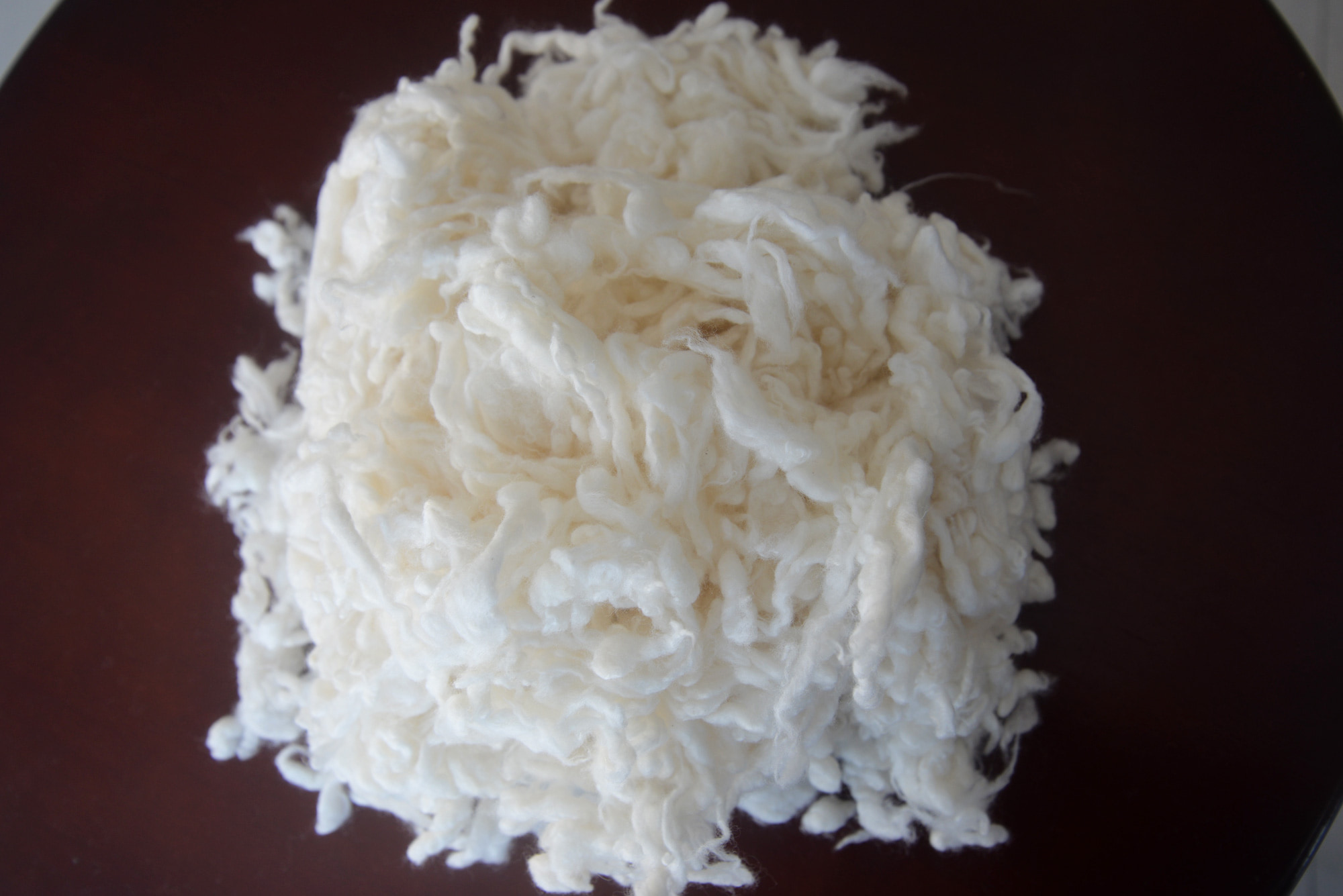
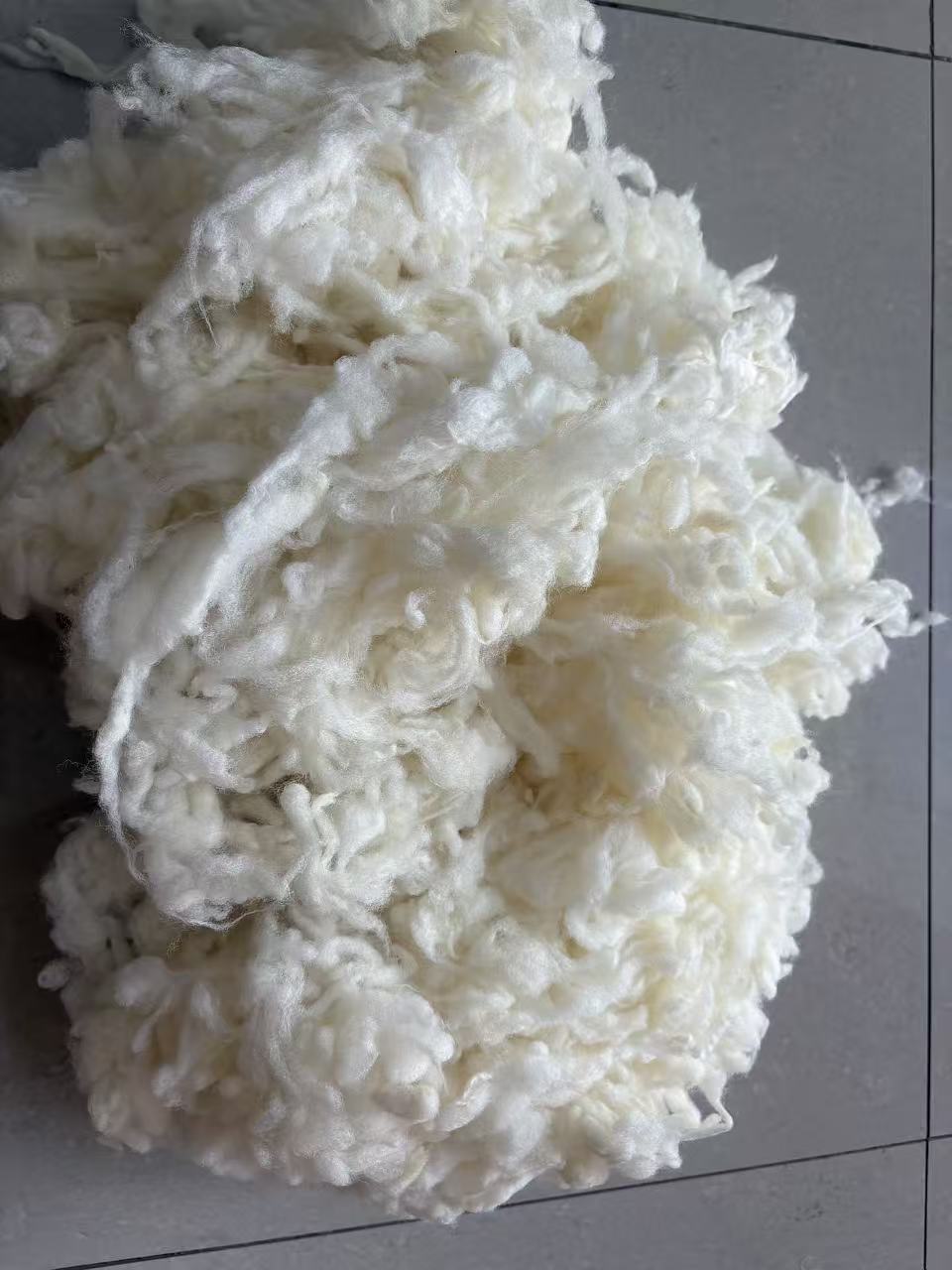
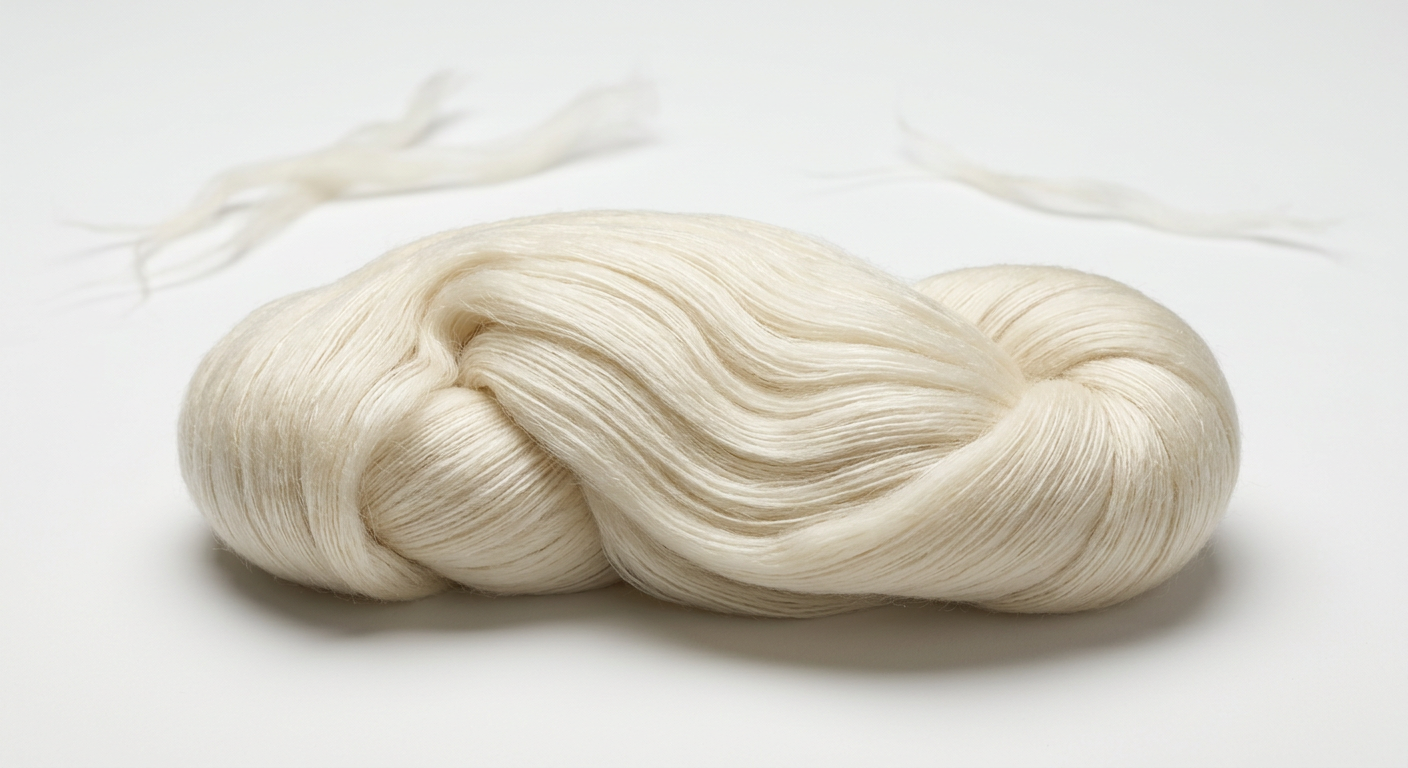
Carbonised Superwash Wool combines two advanced processing techniques to deliver a premium fiber for hand spinning. This guide explores the carbonisation process that removes vegetable matter, the superwash treatment that prevents felting, and how their combination creates superior spinning wool with enhanced durability and ease of care for textile artisans and fiber enthusiasts.
The dual-treatment methodology addresses critical pain points in traditional wool processing: vegetable contamination that compromises yarn quality and felting susceptibility that limits end-product applications. By integrating acid-based carbonisation with polymer-mediated scale modification, manufacturers produce fiber that meets stringent B2B specifications while expanding commercial viability in machine-washable textile markets. This article provides technical insights into processing parameters, quality benchmarks, and procurement considerations for textile mills, craft suppliers, and hand spinning professionals seeking high-performance natural fibers.
Understanding Carbonised Wool Processing Technology
The Carbonisation Process Explained
Carbonisation employs controlled sulfuric acid treatment to eliminate vegetable matter (VM) embedded in raw fleece during grazing. The process begins with fiber immersion in a 4-7% sulfuric acid solution at temperatures between 60-70°C for 15-30 minutes, depending on contamination levels. This acidic environment selectively dehydrates cellulosic materials—burrs, seeds, grass fragments, and straw—converting them into brittle carbonaceous residues while preserving keratin-based wool fibers.
Following acid treatment, fibers undergo mechanical crushing, in which dried vegetable matter fractures into a powder that separates via vibration and air-current systems. Removal efficiency typically exceeds 98% for VM content, reducing contamination from 8-12% in raw fleece to below 0.5% in finished tops. Critical to fiber integrity is the neutralization phase, in which residual acid is buffered with sodium carbonate solutions (pH 7.5-8.5) to prevent long-term degradation. Modern facilities monitor neutralization through automated pH sensors, ensuring compliance with ASTM D584 standards for residual acid content (≤0.02%).
The temperature-time relationship proves crucial: insufficient exposure leaves VM fragments, while excessive treatment degrades fiber tensile strength. Industrial carbonisation maintains strict thermal controls, with infrared monitoring systems preventing localized overheating that could compromise fiber diameter uniformity—a critical parameter for hand spinning applications where consistent drafting requires minimal diameter variation across staple length.
Quality Standards and Fiber Integrity
Post-carbonisation quality assessment follows ISO 17751 protocols for natural fiber testing. Fiber strength retention typically maintains 92-96% of original tensile values when processing adheres to optimal parameters. Testing involves single-fiber tensile measurements using calibrated dynamometers, with acceptable strength values ranging from 120 to 180 MPa for 20-micron Merino wool. Deviation beyond 8% strength loss indicates process irregularities requiring adjustment in acid concentration or exposure duration.
Residual acid neutralization verification employs pH indicator testing and conductivity measurements, with acceptable limits defined at pH 7.0-8.5 and conductivity below 200 μS/cm. These parameters ensure fiber compatibility with subsequent dyeing processes and prevent yellowing during storage. Advanced facilities implement spectrophotometric analysis to detect residual sulfur compounds, maintaining levels below 0.015% to meet OEKO-TEX Standard 100 Class I requirements for skin-contact textiles.
Fiber diameter consistency receives particular attention, with coefficient of variation (CV) measurements targeting ≤18% for premium spinning grades. Carbonisation can temporarily compress fiber scales, requiring post-treatment conditioning at 20-25°C and 65% relative humidity for 24-48 hours to restore natural crimp and elasticity. This conditioning phase proves essential for hand spinning performance, as it reestablishes the fiber’s natural memory and drafting characteristics.
Superwash Treatment and Its Technical Advantages
Superwash Chemical Modification Methods
Superwash processing fundamentally alters wool’s surface morphology to eliminate felting during agitation and washing. The industry-standard Chlorine-Hercosett method involves two sequential phases: oxidative scale degradation followed by polymer encapsulation. Initial chlorination uses sodium hypochlorite (0.5-2.0% active chlorine) at pH 3.5-4.5 to partially dissolve the cuticle’s exocuticle layer, reducing scale height from 0.8μm to approximately 0.3μm. This controlled etching diminishes the directional friction differential that causes felting when fibers migrate during wet agitation.
The subsequent Hercosett resin application deposits a thin polyamide-epichlorohydrin polymer film (0.5-1.5% by weight) that smooths remaining scale edges and creates a hydrophilic surface barrier. This polymer layer, typically 20-50nm thick, prevents scale interlocking while maintaining fiber breathability—a critical distinction from silicone-based coatings that can impede moisture vapor transmission. Curing occurs at 90-105°C for 3-5 minutes, cross-linking the polymer network to ensure wash permanence through 50+ laundry cycles.
Alternative eco-friendly methods employ enzymatic treatments using proteases to selectively digest scale proteins, combined with plasma polymerization techniques that graft hydrophilic monomers onto fiber surfaces. These emerging technologies reduce chlorine usage by 70-90% while achieving comparable shrink resistance, though capital investment requirements currently limit adoption to premium product lines. Polymer coating alternatives include polyurethane dispersions and reactive polyamides, each offering distinct performance trade-offs in abrasion resistance and dye affinity.
Performance Benefits for End-Use Applications
Machine-washability certification requires demonstrating ≤5% dimensional change after five 40°C wash-dry cycles per ISO 6330 protocols. Premium superwash wool consistently achieves 2-3% shrinkage, enabling care labels specifying “machine wash warm, tumble dry low”—a critical market differentiator for consumer knitwear and children’s garments. This shrink resistance stems from the dual mechanism of scale smoothing and polymer lubrication, which together reduce fiber migration by 85-92% compared to untreated wool.
Colorfastness improvements result from the polymer layer’s stabilization of dye molecules within the fiber cortex. Superwash-treated fibers demonstrate Grade 4-5 wash fastness (ISO 105-C06) versus Grade 3-4 for standard wool, reducing dye bleeding in multicolor designs and extending garment lifespan. The modified surface also enhances levelness during dyeing, reducing dye uptake variation from 12-15% to 4-6% across batch lots—a significant advantage for commercial yarn production requiring consistent color matching.
Durability testing under accelerated abrasion conditions (Martindale method, ISO 12947) shows superwash wool withstands 25,000-35,000 cycles before visible wear, compared to 18,000-22,000 for untreated fibers. This enhanced resilience translates to extended product life in high-use applications like socks and upholstery, justifying premium pricing while reducing replacement frequency for end consumers.
Combined Benefits for Hand Spinning Applications
Fiber Preparation and Spinning Efficiency
The synergy between carbonisation and superwash treatment dramatically reduces preparation time for hand spinners. Elimination of vegetable matter negates the need for manual picking—a labor-intensive process consuming 15-30 minutes per 100g of contaminated fleece. Clean fiber permits immediate combing or carding, with processing speeds increasing 40-60% due to reduced equipment fouling and fiber breakage from VM fragments.
Staple length uniformity improves as carbonisation removes short vegetable fibers that otherwise create inconsistent drafting zones. Premium carbonised superwash tops exhibit staple length CV below 12%, compared to 18-25% in raw fleece, enabling smoother drafting with reduced slubs and thin spots. This consistency proves particularly valuable for fine-gauge spinning (30-40 WPI), where diameter irregularities translate directly to visible yarn defects.
The superwash polymer coating reduces static electricity accumulation during drafting, a common frustration in low-humidity environments where untreated wool generates charges exceeding 3kV. Reduced static minimizes fiber fly and tangling, improving spinner comfort and productivity. Additionally, the smoothed scale structure decreases fiber-to-fiber friction by 30-40%, allowing faster drafting speeds without compromising twist insertion—experienced spinners report 20-25% productivity gains when transitioning from standard to superwash fibers.
Yarn Quality and Commercial Value
Carbonised superwash wool produces yarns with enhanced luster retention, as the polymer coating reflects light more uniformly than irregular cuticle scales. Gloss measurements using 60° specular reflectance show 18-25% increased values compared to untreated wool, creating visual appeal in finished textiles without sacrificing the natural matte character valued in hand-spun aesthetics. This luster remains stable through multiple wash cycles, maintaining product appearance over extended use periods.
Dye uptake consistency enables precise color matching across production batches—critical for commercial hand-dyers supplying retail markets. The combination of cleaned fiber (no VM-related dye absorption variability) and uniform polymer coating reduces color deviation (ΔE) to below 1.5 units, meeting professional standards for repeatable colorways. Acid dyes penetrate the polymer layer efficiently, achieving 92-96% exhaustion rates versus 85-90% for standard wool, reducing dye costs and environmental impact.
Market analysis indicates carbonised superwash wool commands 15-30% premium pricing over standard wool tops, with specialty micron counts (18-20μm) reaching 40-50% premiums in artisan markets. This value proposition reflects both processing costs and end-product performance, as finished garments require minimal special care while maintaining hand-spun character. For commercial spinners, the combination of reduced preparation time, improved yield (fewer defects), and premium pricing creates compelling ROI despite higher raw material costs.
| Parameter | Standard Wool | Carbonised Wool | Carbonised Superwash Wool |
|---|---|---|---|
| Vegetable Matter Content (%) | 8-12% | <0.5% | <0.5% |
| Felting Resistance (Shrinkage %) | 15-25% | 12-18% | 2-5% |
| Washing Temperature Tolerance | Cold water only | Warm water (30°C) | Machine wash (40°C) |
| Fiber Strength (MPa) | 130-150 | 120-145 | 125-148 |
| Dye Absorption Rate (%) | 85-90% | 88-92% | 92-96% |
Sourcing Specifications for B2B Procurement
Critical Quality Parameters
Optimal micron count for hand spinning applications ranges 18-25μm, balancing softness with structural integrity. Finer microns (18-20μm) suit next-to-skin garments and lace-weight yarns, while 22-25μm provides durability for outerwear and upholstery applications. Procurement specifications should mandate micron testing per IWTO-12 protocols, with acceptable CV ≤20% and comfort factor (percentage of fibers <30μm) exceeding 98% for premium grades.
Staple length specifications typically require 75-100mm for worsted-style spinning and 60-90mm for woolen preparations. Length uniformity proves critical, with Hauteur measurements targeting 65-75mm and Barbe values indicating minimal short fiber content (<15% below 40mm). These parameters ensure consistent drafting performance across diverse spinning techniques and equipment types.
Vegetable matter content limits must specify <0.5% post-carbonisation, verified through oven-ash testing (IWTO-19) or automated optical scanning systems. Residual VM above this threshold increases equipment wear, creates yarn defects, and compromises dye levelness. Premium suppliers provide batch certificates documenting VM content, micron distribution, and strength testing results, enabling traceability for quality-sensitive applications.
Supplier Compliance and Certifications
OEKO-TEX Standard 100 certification verifies the absence of harmful chemicals, with Class I requirements (baby products) mandating formaldehyde levels <16ppm and pH values 4.0-7.5. For carbonised superwash wool, particular attention focuses on residual chlorine (<0.5ppm) and extractable heavy metals, ensuring compliance with global textile safety regulations. Certification requires annual testing by accredited laboratories, with certificates specifying product class and test number for verification.
Responsible Wool Standard (RWS) certification addresses animal welfare and land management practices, increasingly demanded by conscious consumers and premium brands. RWS verification requires third-party audits of farming operations, tracking wool from certified farms through processing chains. For B2B procurement, RWS certification enables marketing claims supporting sustainability positioning and access to eco-focused retail channels.
Traceability documentation should include batch-specific processing records detailing carbonisation parameters (acid concentration, temperature, duration), superwash treatment methods, and quality test results. Advanced suppliers implement blockchain-based tracking systems, providing immutable records from fleece origin through finished top production. This transparency supports due diligence requirements for brands subject to supply chain disclosure regulations and enables rapid response to quality issues through precise batch identification.
FAQ
Q1: How does carbonisation affect wool fiber strength compared to raw fleece?
Properly executed carbonisation maintains 92-96% of original fiber tensile strength, with typical reductions of 4-8% attributable to mild acid exposure. The key factor is precise pH control during neutralization—inadequate buffering allows residual acid to gradually degrade keratin bonds, while excessive alkalinity can also weaken fibers. Quality suppliers monitor strength retention through regular tensile testing, ensuring batch-to-batch consistency. For hand spinning, this minimal strength reduction proves inconsequential, as the fiber retains sufficient integrity for all standard applications while gaining the significant advantage of VM-free processing.
Q2: Can carbonised superwash wool be blended with other fibers for spinning?
Carbonised superwash wool blends exceptionally well with silk, bamboo, Tencel, and nylon, creating hybrid yarns that leverage wool’s elasticity with complementary fiber properties. The cleaned, scale-modified surface integrates smoothly during carding, preventing separation that can occur with untreated wool’s grabbier texture. Popular blends include 70/30 wool-silk for luxury shawls, 80/20 wool-nylon for durable sock yarns, and 50/50 wool-Tencel for drapey garments. The superwash treatment ensures the entire blended yarn remains machine-washable, provided companion fibers also tolerate warm water washing. Blending ratios should consider micron compatibility—pairing 20μm wool with 1.5 denier silk creates balanced drafting, while mismatched diameters may cause processing difficulties.
Q3: What is the typical MOQ for bulk orders of carbonised superwash wool tops?
Minimum order quantities vary by supplier and product specification, typically ranging from 25 to 100kg for standard colors and micron counts. Custom processing (specific micron ranges, unique colorways, or specialized treatments) generally requires 100-500kg minimums to justify setup costs and processing runs. Premium micron grades (18-19μm) may carry higher MOQs due to limited raw material availability. Importers should anticipate 6-12 week lead times for custom orders, including fiber sourcing, processing, and quality verification. Some suppliers offer sampling programs (1-5kg) for product evaluation before committing to full production runs, enabling hand spinners and small-scale producers to assess fiber performance before bulk investment.
Conclusion
Carbonised Superwash Wool represents the convergence of vegetable matter removal and permanent washability, delivering unmatched convenience for hand spinners while maintaining fiber integrity. The dual processing approach addresses fundamental limitations in traditional wool contamination that compromise quality and felting, which restricts applications—creating a premium fiber commanding justified market premiums through tangible performance advantages.
For procurement managers and textile mills, understanding these processing technologies enables informed sourcing decisions, balancing quality specifications with end-product requirements. The technical parameters outlined—micron consistency, VM content limits, shrink resistance values, and certification requirements—provide objective benchmarks for supplier evaluation and quality assurance protocols. As consumer demand for low-maintenance natural fibers continues expanding, carbonised superwash wool positions manufacturers to capture premium market segments while maintaining the authentic character valued in hand-crafted textiles.