Abstract:
This comprehensive guide examines the fundamental differences between wool and cotton fabrics, analyzing their structural properties, performance characteristics, and commercial applications.
Designed for textile buyers, manufacturers, and procurement professionals, this article provides data-driven insights into material selection criteria, cost-benefit analysis, and industry-specific use cases to optimize fabric sourcing decisions.
Understanding these distinctions enables informed purchasing decisions that balance performance requirements, budget constraints, and sustainability objectives across diverse commercial applications.
Fundamental Material Structure & Properties
Wool Fabric Composition and Fiber Characteristics
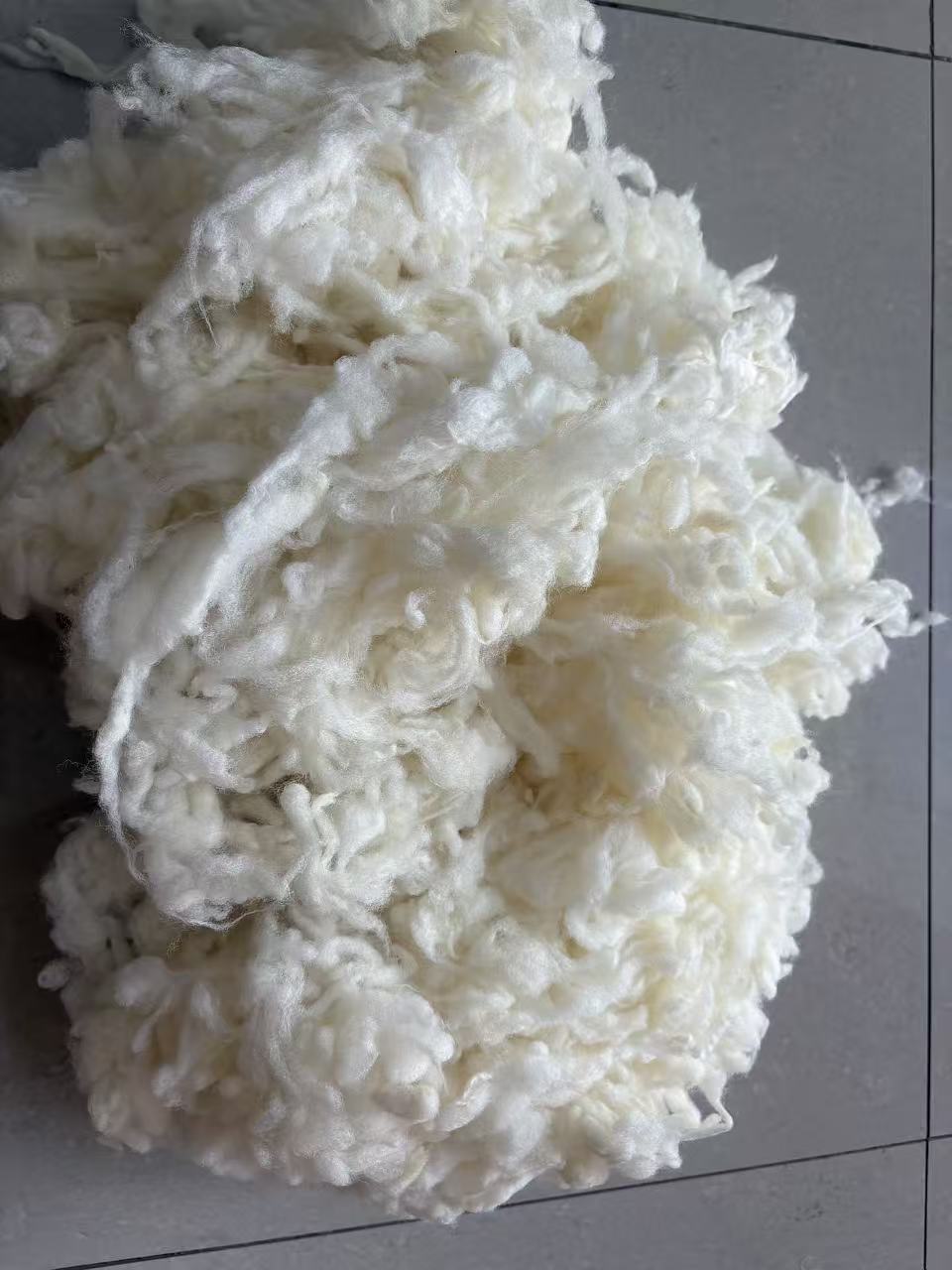
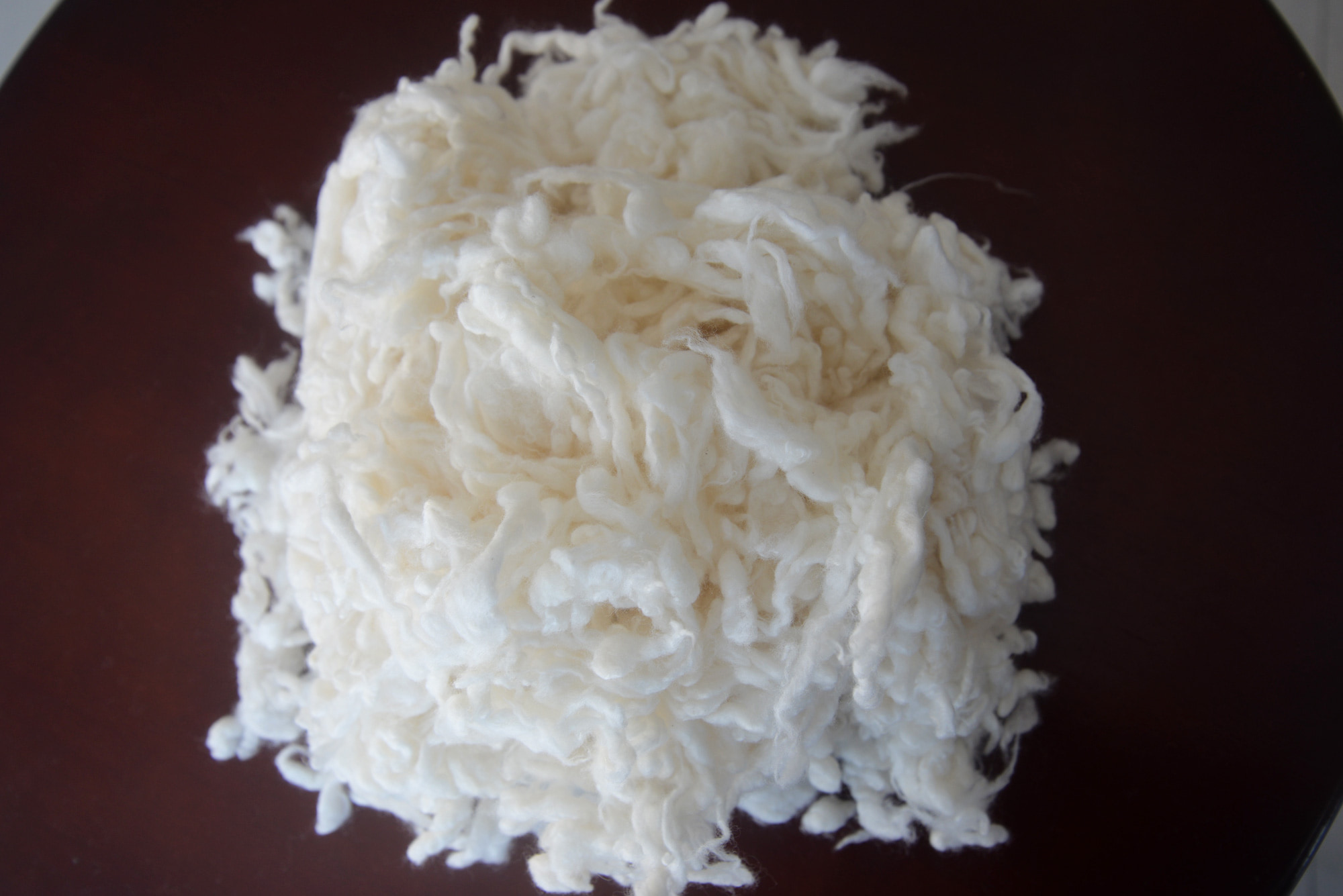
قماش من الصوف derives from protein-based keratin fibers, the same structural protein found in human hair. This molecular composition creates unique performance characteristics unmatched by cellulose-based alternatives. The fiber’s natural three-dimensional crimp—typically 8-12 crimps per inch in fine wool—creates air pockets that provide exceptional thermal insulation while maintaining breathability.
The protein structure enables wool to absorb up to 30% of its weight in moisture vapor without feeling wet to the touch, a critical advantage in activewear and climate-variable applications. This hygroscopic capacity results from the fiber’s cortical cells and overlapping cuticle scales, which allow moisture molecules to penetrate the fiber core while maintaining surface dryness. The moisture absorption process is exothermic, generating heat that contributes to wool’s warmth even in damp conditions.
Wool’s natural elasticity—recovering up to 95% of its original shape after stretching—stems from its bilateral molecular structure. Each fiber contains orthocortex and paracortex cells with different molecular arrangements, creating inherent resilience. This elasticity translates to wrinkle resistance and shape retention in finished garments, reducing maintenance requirements in commercial applications.
The fiber diameter ranges from 15 microns (ultrafine merino) to 40+ microns (coarse carpet wool), directly influencing fabric hand, drape, and end-use suitability. Fine wools (17-19.5 microns) command premium prices for next-to-skin apparel, while medium wools (20-24 microns) serve suiting and outerwear markets.
Cotton Fabric Composition and Fiber Characteristics
Cotton consists of nearly pure cellulose (94-96%), forming a hollow tubular structure with a twisted ribbon-like configuration. This botanical fiber’s cell wall contains primary and secondary layers of cellulose microfibrils, creating a naturally absorbent material that can hold 24-27 times its weight in liquid water—significantly higher than wool’s liquid absorption but lower than wool’s vapor management capacity.
The hollow fiber core, or lumen, contributes to cotton’s breathability and softness but provides minimal insulation compared to wool’s crimped structure. Cotton’s thermal conductivity (0.04 W/mK) exceeds wool’s (0.02-0.03 W/mK), making cotton fabrics cooler in warm conditions but less effective in cold environments.
Cotton fiber length (staple) ranges from 10mm (short staple) to 35mm+ (extra-long staple, such as Egyptian or Pima cotton). Longer staples produce stronger, smoother yarns with reduced pilling and enhanced durability. The fiber’s natural twist (convolutions per inch) influences spinning performance and fabric strength, with higher twist counts correlating with superior yarn quality.
Unlike wool’s protein bonds, cotton’s cellulose structure lacks inherent elasticity, resulting in permanent deformation under stress. This characteristic causes cotton garments to stretch and lose shape over time, particularly in knit constructions. However, cotton’s tensile strength (3-5 grams per denier) significantly exceeds wool’s (1-2 g/den), making cotton more resistant to tearing and abrasion in high-stress applications.
Performance Comparison: Wool vs Cotton
Thermal Regulation and Insulation Performance
Wool’s thermal insulation capacity, measured in CLO values (clothing insulation units), ranges from 0.8-1.2 CLO for medium-weight fabrics, compared to cotton’s 0.5-0.7 CLO at equivalent fabric weights. This 40-60% insulation advantage stems from wool’s crimped fiber structure, which traps dead air—the most effective thermal insulator—within the fabric matrix.
Wool demonstrates superior temperature adaptability, functioning effectively across a range from -20°C to +25°C. The fiber’s moisture-wicking properties prevent heat loss through evaporative cooling in cold conditions while enabling heat dissipation in warmer environments. This bidirectional thermal regulation makes wool ideal for variable-climate applications and transitional-season garments.
Cotton’s thermal performance follows a more linear pattern, providing cooling in warm conditions but offering limited insulation when temperatures drop. The fabric’s high thermal conductivity and lack of crimped structure result in minimal air entrapment, reducing its R-value (thermal resistance) to approximately 0.5-0.7 per inch of thickness, compared to wool’s 1.0-1.3.
Seasonal application data shows wool outperforming cotton in cold-weather markets by 65-80% in consumer preference studies, while cotton dominates warm-weather applications with 70-85% market preference. This polarization drives blended fabric development, combining wool’s insulation with cotton’s breathability for year-round versatility.
Durability, Maintenance, and Lifecycle Costs
Despite cotton’s superior tensile strength (3-5 g/den vs. wool’s 1-2 g/den), wool fabrics often demonstrate longer functional lifespans due to elastic recovery and natural resilience. Abrasion resistance testing (Martindale method) shows quality wool fabrics withstanding 25,000-40,000 cycles before visible wear, while cotton fabrics typically show degradation at 15,000-25,000 cycles, though this varies significantly with weave density and yarn quality.
Wash cycle longevity presents contrasting profiles. Cotton tolerates frequent machine washing with minimal degradation, maintaining structural integrity through 50-100+ wash cycles at high temperatures (60-90°C). Wool requires gentler care—typically hand washing or specialized wool cycles at low temperatures (30°C maximum)—but needs less frequent cleaning due to natural odor resistance and soil-repellent properties.
Industry Applications & Commercial Use Cases
Textile Industry Standards and Compliance
Wool fabric production adheres to ISO 3801 standards for fiber content labeling, requiring minimum 85% wool content for “Pure Wool” designation and 95% for “100% Wool” labels. The Woolmark certification program provides additional quality assurance, specifying fiber diameter, strength, and processing standards that ensure consistent performance characteristics.
OEKO-TEX Standard 100 certification addresses chemical safety, restricting harmful substances in textile processing. Wool’s natural composition simplifies compliance compared to synthetic fibers, though dyeing and finishing processes require careful management. Class I certification (baby products) demands the most stringent limits, achievable with properly processed wool through chromium-free tanning and low-impact dyes.
Wool’s inherent flame resistance—ignition temperature of 570-600°C compared to cotton’s 255-260°C—enables compliance with stringent fire safety standards without chemical treatments. This natural property meets EN ISO 15025 (limited flame spread) and NFPA 701 (flame-resistant textiles) requirements, making wool preferred for public transportation upholstery, hospitality textiles, and protective workwear applications where fire safety is paramount.
تتطلب القطن معالجات كيميائية مقاومة للهب لتلبية المعايير المكافئة، مما يزيد التكلفة وقد يؤثر على ملمس النسيج وقابليته للتنفس. عادةً ما تقلل هذه المعالجات من البصمة البيئية للقطن وقد تتطلب إعادة التطبيق بعد عدة دورات غسيل.
تطبيقات الأسواق المستهدفة
قطاع الملابس: تهيمن الصوف على أسواق البدلات والملابس الرسمية، حيث تمثل 60-70% من أقمشة بدلات الرجال الفاخرة بسبب قدرتها الفائقة على السقوط والمقاومة للتجاعيد والمظهر المهني. استحوذت صوف ميرينو الدقيق (17-19.5 ميكرون) على 35-40% من سوق الطبقة الأساسية للملابس الرياضية عالية الأداء، وهي تنافس بشكل مباشر المواد الاصطناعية في إدارة الرطوبة والتحكم بالروائح. بينما تحافظ القطن على حصة سوقية تتجاوز 80% في الملابس الكاجوال والتيشيرتات والملابس المناسبة للطقس الدافئ، حيث تفوق قابلية التنفس والنعومة متطلبات العزل الحراري.
المنسوجات المنزلية: تتميز سجاد الصوف وأقمشة التنجيد بمتانتها ومقاومتها الطبيعية للبقع، وتستحوذ على 25-30% من أسواق المنازل الفاخرة و40-50% من أسواق العقود التجارية، حيث تبرر تكاليف دورة الحياة الاستثمار الأولي الأعلى. أما القطن فيسيطر على تطبيقات المفارش (حصة سوقية تتجاوز 70%) والأقمشة المنشفة (أكثر من 85%) حيث تكون قابلية الامتصاص والغسل المتكرر ضرورية.
التطبيقات الصناعية: تتيح خصائص الصوف الفريدة استخدامات متخصصة منها العزل الصوتي (معامل امتصاص الصوت 0.8-0.95)، ووسائط الترشيح لفصل الزيت عن الماء، والعزل الحراري في التطبيقات المعمارية. أما القطن فيستخدم في المسح الصناعي والمنسوجات الطبية والترشيح حيث تكون قابلية الامتصاص وخواص عدم إطلاق الوبر أمراً حيوياً.
اعتبارات الشراء للمشترين من الشركات إلى الشركات
تحليل التكلفة وعوامل سلسلة التوريد
تعرض أسعار الصوف تقلبات كبيرة، إذ تتراوح بين 1-15 دولارًا أمريكيًا للكيلوغرام بناءً على قطر الألياف والمنشأ والظروف السوقية. يشهد صوف ميرينو الأسترالي (المعيار العالمي) تغيرات سنوية في الأسعار بنسبة 20-35% مدفوعة بدورات الجفاف وتقلبات العملات والطلب من مصانع النسيج الصينية. هذه التقلبات تُعقد عقود الشراء طويلة الأجل، مما يتطلب آليات تسعير مرنة أو تحوط استراتيجي.
أسعار القطن (1-3 دولارات أمريكية للكيلوغرام للأصناف المتوسطة الطول) تُظهر تقلبات أقل (تباين سنوي بين 10-20%) بسبب أحجام الإنتاج العالمية الكبيرة والأسواق الآجلة الراسخة. ومع ذلك، تواجه سلاسل الإمداد للقطن مخاطر تعطّل بسبب الظواهر الجوية والضغط من الآفات والعوامل الجيوسياسية التي تؤثر على المناطق المنتجة الرئيسية (الهند والصين والولايات المتحدة وباكستان).
تختلف كميات الطلبات الدنيا بشكل كبير: تحتاج مصانع أقمشة الصوف عادةً إلى طلبات لا تقل عن 500-2000 متر لأحجام مخصصة، بينما تتيح أحجام الإنتاج الأكبر للقطن طلبات بين 200-500 متر. متوسط وقت التسليم 60-90 يومًا للصوف مقابل 45-60 يومًا للقطن، مما يعكس إنتاجًا أقل ومتطلبات معالجة أكثر تخصصًا.
يجب أن يشمل تقييم موثوقية الموردين التكامل الرأسي وشفافية مصدر الألياف وأنظمة مراقبة الجودة. توفر شركات الصوف التي ترتبط مباشرة بالمزارع إمكانية تتبع أفضل وثبات جودة، بينما تستفيد شركات القطن من برامج شهادات راسخة (مبادرة القطن الأفضل، معيار القطن العضوي) التي تضمن مصادر مستدامة.
الاستدامة والامتثال التنظيمي
تكشف بيانات تقييم دورة الحياة أن بصمة المياه للصوف أقل بكثير—125-150 لترًا لكل كيلوغرام مقابل 10,000-20,000 لترًا لكل كيلوغرام للقطن—ما يمثل انخفاضًا بنسبة 70-95% في استهلاك المياه. يعود هذا الميزة إلى متطلبات الري الضئيلة للخراف مقارنةً بزراعة القطن التي تتطلب ريًا كثيفًا.
تُظهر تحليلات البصمة الكربونية نتائج أكثر دقة: ينتج عن إنتاج الصوف 5-7 كيلوغرامات من ثاني أكسيد الكربون لكل كيلوغرام من الألياف (بما في ذلك انبعاثات الميثان من الخراف)، بينما ينتج القطن 3-4 كيلوغرامات من ثاني أكسيد الكربون لكل كيلوغرام. ومع ذلك، فإن العمر الوظيفي الأطول للصوف وقابلية التحلل الحيوي (3-4 أشهر مقابل 5-6 أشهر للقطن) يحسنان من بنيته البيئية الكلية عند قياسها لكل قطعة ملابس.
يتطلب الامتثال لـ REACH (تسجيل وتقييم وترخيص ومراقبة المواد الكيميائية) توثيق جميع المدخلات الكيميائية في معالجة المنسوجات. تتطلب البنية البروتينية للصوف معالجات خاصة (كلورة لمقاومة الانكماش، وقاية من العث) تحتاج إلى إدارة دقيقة، بينما تتضمن معالجة القطن مخاوف كيميائية مختلفة (التبييض، التلميع، التشطيبات القائمة على الفورمالديهايد).
تفضّل إمكانات الاقتصاد الدائري الصوف بسبب البنية التحتية الراسخة لإعادة تدوير منسوجات الصوف بعد الاستهلاك (إعادة تدوير ميكانيكي إلى ألياف شودي) وقابلية التحلل الطبيعي. تواجه إعادة تدوير القطن تحديات تقنية بسبب تدهور طول الألياف، رغم ظهور تقنيات جديدة لإعادة التدوير الكيميائي. تتطلب متطلبات التتبع بشكل متزايد أنظمة سلسلة الكتل أو الشهادات الرقمية، خاصةً للادعاءات المتعلقة بالمنتجات العضوية والأخلاقيات.
وحدة الأسئلة الشائعة
س1: ما الميزة الأساسية لأقمشة الصوف مقارنةً بالقطن في إدارة الرطوبة؟
تمتص بنية الألياف البروتينية للصوف ما يصل إلى 30% من وزنها بخار الرطوبة مع الحفاظ على ملمس سطحي جاف، مقارنةً بقدرة القطن على امتصاص بخار الرطوبة بنسبة 8-10%. تتيح هذه الخاصية الهيدروسكوبيّة للصوف تصريف العرق بعيدًا عن الجلد وإطلاقه تدريجيًا، مما يمنع الشعور بالرطوبة الذي يميز القطن في ظروف الرطوبة العالية أو أثناء الاستخدام النشط.
عملية امتصاص الرطوبة في الصوف أيضًا طاردة للحرارة، مما يولّد دفئًا يعزز الراحة الحرارية في البيئات الباردة والرطبة—ميزة حيوية للملابس الخارجية والمنسوجات عالية الأداء.
س2: كيف يقارن الصوف والقطن من حيث التكلفة الكلية لدورة الحياة في التطبيقات النسيجية التجارية؟
في حين تتجاوز تكلفة شراء الصوف (1-15 دولارًا أمريكيًا للكيلوغرام) بكثير تكلفة القطن (1.5-3 دولارًا أمريكيًا للكيلوغرام)، فإن تحليل التكلفة الكلية لدورة الحياة على مدى 3-5 سنوات يكشف فجوة أضيق. تفوق متانة الصوف (25,000-40,000 دورة تآكل مقابل 15,000-25,000 للقطن)، وانخفاض تكرار الاستبدال، وانخفاض تكاليف التنظيف (لا يحتاج الغسيل المتكرر)، يعوض الاستثمار الأولي الأعلى.
بالنسبة لتطبيقات التنجيد التجاري ذات متطلبات الخدمة لمدة 5 سنوات، تتراوح تكلفة الصوف لكل استخدام عادةً بين 0.15-0.35 دولارًا أمريكيًا مقارنةً بـ 0.08-0.18 دولارًا أمريكيًا للقطن، مما يجعل الصوف تنافسيًا من حيث التكلفة في البيئات عالية الاستخدام حيث تبرر المتانة والحفاظ على المظهر أسعارًا أعلى.
س3: أي الأقمشة أكثر ملاءمة للتطبيقات الصناعية المقاومة للهب ولماذا؟
يتفوق الصوف بطبيعته في التطبيقات المقاومة للهب بسبب درجة اشتعاله الطبيعية التي تتراوح بين 570-600 درجة مئوية (مقارنةً بـ 255-260 درجة مئوية للقطن) وخصائصه الذاتية في إطفاء اللهب. يلبي الصوف معايير مقاومة اللهب EN ISO 15025 وNFPA 701 دون معالجات كيميائية، محافظًا على قابلية التنفس والراحة مع توفير السلامة.
يحتاج القطن إلى معالجات كيميائية مقاومة للهب لتحقيق حماية مكافئة، مما يزيد التكلفة ويحتمل أن يقلل من ملمس النسيج ويحتاج إلى إعادة معالجة بعد عدة دورات غسيل. لذلك، يُعد الصوف الخيار المفضل لتطبيقات التنجيد في وسائل النقل والمنسوجات الفندقية والملابس الوقائية حيث تكون لوائح السلامة من الحرائق صارمة وتكاليف دورة الحياة تفضل المواد غير المعالجة والمطابقة للقوانين الطبيعية.
الخاتمة
إن اتخاذ القرار بين الصوف والقطن يتطلب الموازنة بين متطلبات الأداء والاحتياجات الخاصة بالتطبيق واعتبارات التكلفة الكلية وليس مجرد مقارنة الأسعار. يتفوق الصوف في العزل الحراري وإدارة بخار الرطوبة ومقاومة اللهب والمتانة للتطبيقات التي تتطلب عمر خدمة لسنوات عديدة، بينما يقدم القطن قابلية تنفس أفضل وامتصاصًا وسهولة في العناية وفعالية من حيث التكلفة للتطبيقات في المناخات الدافئة وحالات الغسيل المتكرر.
B2B procurement professionals should apply a decision matrix evaluating thermal requirements (CLO values), moisture management needs, durability expectations (abrasion cycles), maintenance capabilities, and budget constraints. Applications requiring temperature regulation across variable conditions, extended replacement cycles, or inherent flame resistance favor wool despite higher acquisition costs. Conversely, warm-climate products, frequent-wash applications, and price-sensitive markets benefit from cotton’s cost-performance profile.
Emerging trends indicate growing adoption of wool-cotton blended fabrics (typically 50-70% wool, 30-50% cotton) that combine wool’s insulation and resilience with cotton’s breathability and cost-efficiency.
These blends address mid-market segments seeking balanced performance at moderate price points, representing 15-20% annual growth in commercial textile markets. Future developments in fiber processing, sustainable sourcing certifications, and circular economy infrastructure will continue reshaping the competitive landscape between these foundational textile materials.