Einführung
Raw wool straight from the sheep is far from ready for textile production. It carries a heavy burden of natural grease, dirt, and—most problematically—vegetable matter such as burrs, seeds, grass, and twigs. These plant-based impurities, which sheep pick up during grazing, can cause defects in yarn and fabric, clog spinning machines, and ruin the quality of finished textiles if not properly removed.
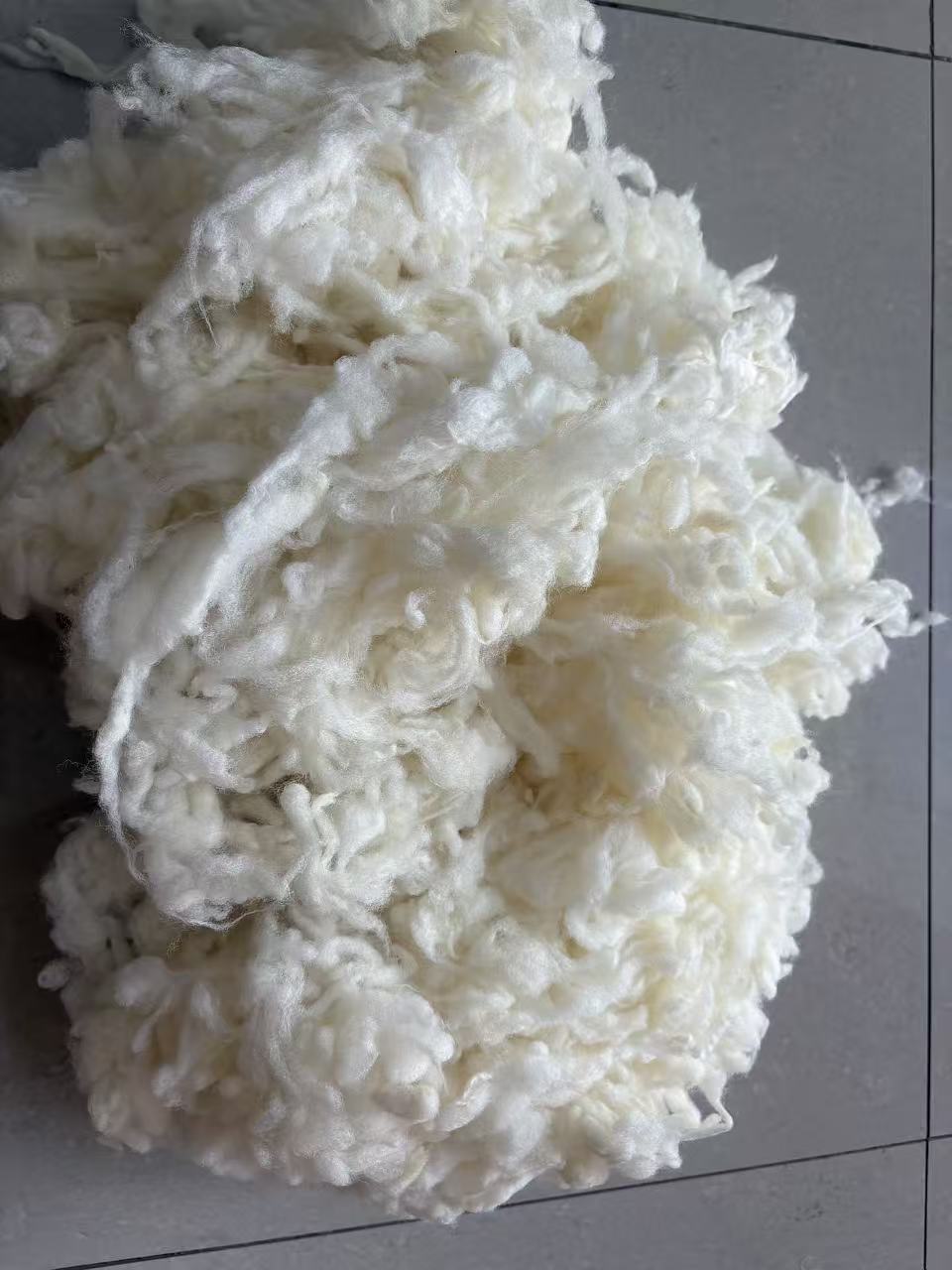
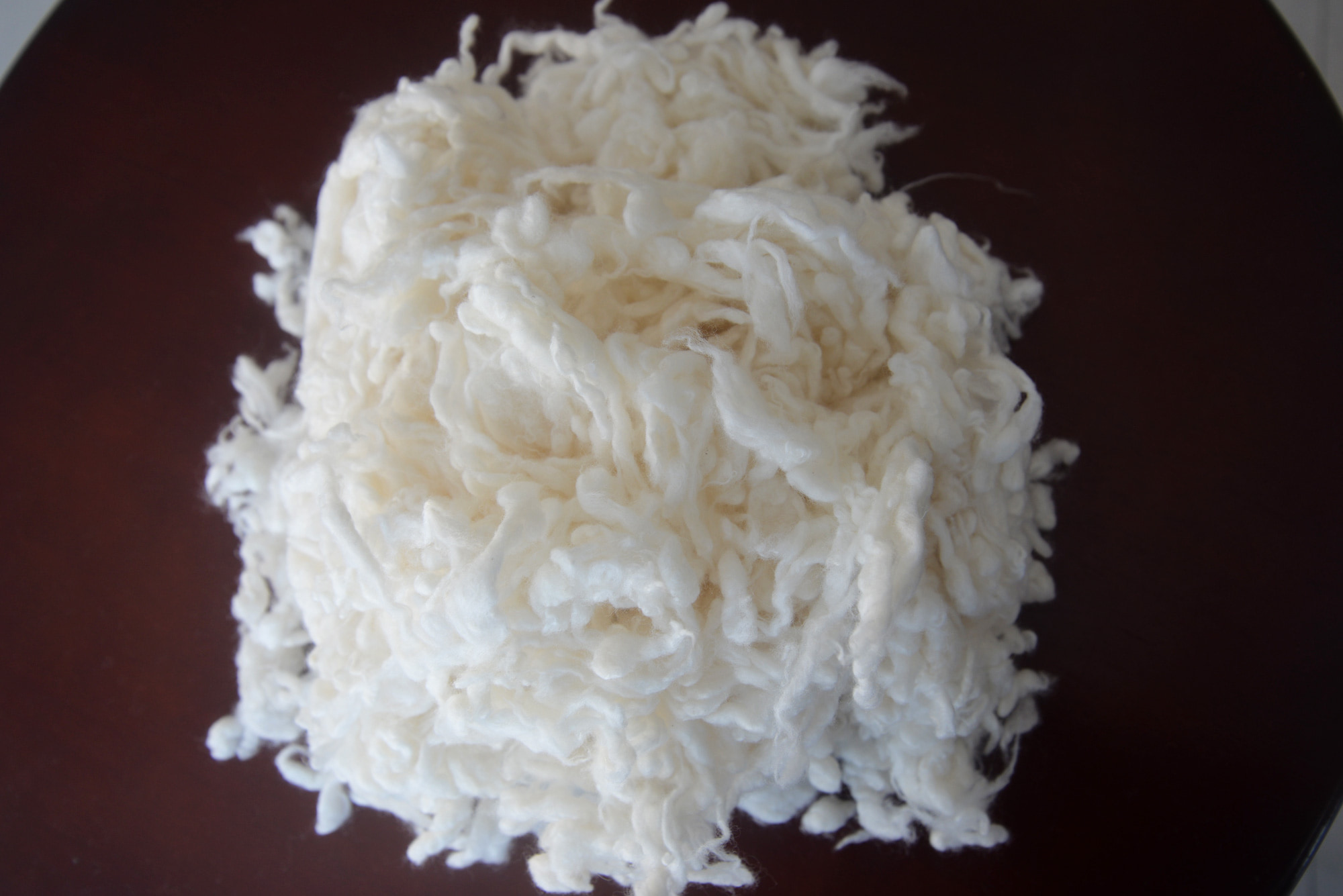
While traditional scouring effectively removes grease and dirt, it struggles to eliminate stubborn vegetable matter. That is where Karbonisierte Wolle comes in. Through a chemical process called carbonisation, these plant-based impurities are systematically destroyed and removed, leaving behind a clean, pure, and highly processable fibre.
This guide provides a comprehensive, step-by-step explanation of how Karbonisierte Wolle is made, including the purpose behind each stage, the science of the process, and why carbonised wool for textile and yarn production has become an essential material for mills, weavers, and garment manufacturers worldwide. You will also learn about the key benefits of carbonised wool in fabric processing, explore its diverse applications, and understand the critical difference between carbonised wool and raw wool that makes all the difference in textile quality.
What Is Carbonised Wool? A Clear Definition
Karbonisierte Wolle is wool that has undergone an additional chemical cleaning process—carbonisation—specifically designed to remove vegetable matter (VM) that cannot be eliminated by standard scouring alone. This includes burrs, seeds, grass, twigs, leaves, and straw that become embedded in the fleece as sheep graze in pastures.
The carbonisation process works by chemically breaking down cellulosic plant matter (the type of material that makes up burrs, seeds, and grass) into carbon, which then becomes brittle and can be mechanically removed from the wool fibres. The result is a cleaner, more uniform fibre that is far superior for spinning, dyeing, and fabric production.
It is important to understand that not all wool requires carbonisation. This process is typically used when the greasy wool contains a high percentage of vegetable matter, generally in excess of 2% to 3% VM. It is also unique to the woollen processing system, as the worsted system relies more heavily on mechanical combing to remove impurities.
Why Carbonise Wool? The Purpose Behind the Process
To appreciate the carbonised wool manufacturing process, one must first understand what is at stake. Raw greasy wool contains approximately 35% to 40% contaminants by weight, including grease (lanolin), suint (sweat salts), dirt, sand, dust, and vegetable matter. While scouring removes most of the grease and dirt, plant-based impurities remain problematic for several reasons:
Vegetable matter absorbs dyes differently than wool, leading to visible specks and uneven coloration in finished fabrics.
Burrs and seeds can break spinning machine needles, causing costly production interruptions and increasing fibre breakage.
Plant residues create rough, scratchy textures that degrade the softness and premium feel of wool garments.
Excessive VM reduces yarn strength and uniformity, compromising the structural integrity of the final product.
By converting these cellulosic impurities into brittle carbon that can be easily crushed and removed, Karbonisierte Wolle achieves a level of purity that standard scouring alone cannot match. The main purposes of carbonisation are to improve wool cleanliness, prepare the fibre for dyeing and spinning in a more refined form, enhance softness and quality in high-end fabrics, and create a more uniform fibre that simplifies further processing.
The Step-by-Step Carbonised Wool Manufacturing Process
The conventional carbonised wool manufacturing process comprises five main stages: scouring, acidizing, drying and baking, burr crushing and dedusting, and neutralizing. Each stage plays a critical role in transforming raw, greasy wool into a pristine, production-ready material.
Stage 1: Scouring – The First Cleanse
Before any chemical treatment can take place, the raw, greasy wool must be thoroughly washed to remove the bulk of its contaminants. Scouring involves feeding the wool through a series of bowls—typically between 6 and 8 bowls—containing warm water, detergent, and sometimes an alkali.
During the initial 2 to 3 wash bowls, the wash liquor removes most of the water-soluble or emulsified compounds, including wool grease (which is later recovered as lanolin for use in cosmetics). The remaining bowls contain fresh water to rinse the wool thoroughly. After scouring, the loose wool is passed into a continuous dryer, followed by mechanical beating to remove water-insoluble compounds such as sand and dust that were not fully eliminated during washing.
Scouring alone can remove a significant amount of impurities, but vegetable matter such as burrs and seeds often remains embedded in the fibre. If the wool contains more than 2% to 3% VM, carbonisation is required to achieve acceptable cleanliness levels.
Stage 2: Acidizing – The Chemical Bath
Once scoured, the still-damp wool moves to the acidizing stage, which is the core of how carbonised wool removes impurities from the raw wool process. The wool is immersed in a solution containing a mineral acid—typically sulphuric acid (H₂SO₄) at a concentration of 6% to 8% weight for volume. Some processes also add a non-ionic detergent to improve acid penetration and ensure uniform treatment.
The acid solution is maintained at a controlled temperature, typically between 20°C and 30°C, to optimize chemical reaction rates without damaging the wool fibres. The key chemical principle at work here is that the cellulosic material in vegetable matter is highly susceptible to acid hydrolysis, while the protein-based wool fibres are relatively resistant under controlled conditions.
During this stage, the acid attaches preferentially to the cellulosic plant matter. The acid concentration, immersion time, and temperature must be carefully calibrated to ensure thorough penetration of the vegetable matter without causing excessive damage to the wool fibres themselves. Research has identified three main factors that influence wool strength loss during carbonisation: the acid content of the wool as it enters the dryer, the moisture content of the acid-laden wool, and the air temperature used during the drying stage.
Stage 3: Drying and Baking – Transforming Plant Matter into Carbon
After acidizing, the wool enters a drying oven, where it is first dried at a moderate temperature (typically 65°C to 90°C) to concentrate the acid within the vegetable matter. The temperature is then raised significantly—to approximately 95°C to 120°C or higher—for a baking period, typically around one minute.
This baking step is where the magic of carbonisation truly happens. The heat causes the acid-saturated cellulosic material to dehydrate and char, breaking down the chemical structure of the burrs, seeds, and grass into carbon. The high temperature also drives off volatile compounds, leaving behind a brittle, darkened residue that no longer resembles the original plant material.
If the vegetable matter content of the wool is particularly high—exceeding 5% of the weight of the wool—this carbonisation step becomes especially critical. As the International Wool Textile Organisation notes, the acid attaches to the vegetable matter, and in the drying oven, this becomes dry and brittle.
Stage 4: Burr Crushing and Dedusting – Mechanical Removal of Carbonised Residue
Now that the vegetable matter has been transformed into brittle carbon, the wool is passed through a series of heavy metal fluted rollers. These rollers crush the carbonised burrs and seeds into fine dust. The mechanical action is gentle enough to preserve the wool fibres but forceful enough to shatter the now-fragile carbonised plant residues.
Following crushing, the wool is passed through a dedusting unit—typically a rotary shaker—where the carbon dust is separated from the wool fibres by mechanical action. The dust is drawn away and collected, leaving behind wool that is now free of visible vegetable matter.
At this stage, however, the wool remains acidic due to the residual sulphuric acid that has not been fully consumed during the baking process. This acidity must be neutralized to prevent long-term fibre damage, as wool stored in an acidic state will undergo strength loss over time. The loss in strength during storage of carbonised goods is primarily attributed to chemical reactions at serine and threonine residues within the wool protein structure.
Stage 5: Neutralizing and Rinsing – Restoring pH Balance
The final stage of the carbonised wool manufacturing process involves neutralizing the acidic wool to restore a neutral pH (approximately 7). The wool is passed through a solution of an alkali, typically sodium carbonate (Na₂CO₃), which neutralizes the residual sulphuric acid. This neutralisation should be carried out immediately after baking to avoid fibre damage during storage.
Following neutralization, the wool undergoes a thorough rinsing to remove any remaining chemical residues. Some processors also include a final bath containing a solution of hydrogen peroxide (H₂O₂) to improve the colour of the wool, lightening any discolouration that may have occurred during the high-temperature baking stage.
The wool is then dried one final time before being baled and prepared for shipment to spinning and weaving mills. The resulting product is Karbonisierte Wolle—a clean, pure, highly processable fibre ready for conversion into high-quality yarns and fabrics.
Carbonised Wool vs. Raw Wool and Scoured Wool: A Comparison
Understanding the difference between carbonised wool and raw wool is essential for anyone involved in textile sourcing or production. The table below summarizes the key distinctions.
| Characteristic | Raw (Greasy) Wool | Scoured Wool | Karbonisierte Wolle |
|---|---|---|---|
| Vegetable Matter | Present (2–5%+ typical) | Partially reduced | Virtually eliminated (<0.5%) |
| Grease (Lanolin) | High (15–25%) | Removed | Removed |
| Dirt/Sand | Hoch | Mostly removed | Removed |
| Fibre Purity | Niedrig | Mäßig | Very High |
| Spinning Efficiency | Not processable | Gut | Ausgezeichnet |
| Dye Uniformity | N/A | Mäßig | Superior |
| Typische Anwendungen | Raw material for scouring | Basic textiles | High-end apparel, technical textiles |
| Need for Carbonisation? | N/A | Nein | Yes (already processed) |
Raw wool straight from shearing is essentially unusable for textile production—it is dirty, greasy, and full of plant debris. Scoured wool is significantly cleaner and suitable for many basic applications, but it still contains enough vegetable matter to cause problems in fine spinning or premium fabric production. Karbonisierte Wolle represents the highest level of fibre purity, making it the material of choice for manufacturers who demand excellence.
The Many Benefits of Carbonised Wool in Fabric Processing
Why do mills and textile manufacturers increasingly specify Karbonisierte Wolle? The advantages extend far beyond simple cleanliness.
Superior Spinning Performance
One of the most significant benefits of carbonised wool in fabric processing is its exceptional performance on spinning machines. The removal of non-fibrous contaminants ensures smoother processing, reduces fibre breakage, and increases overall production efficiency. The clean, uniform fibre mass passes through carding and spinning equipment with minimal resistance, translating directly into higher yields and lower operational costs.
Enhanced Dye Uniformity
Vegetable matter absorbs dyes differently than wool, leading to visible dark or light specks in finished fabrics. With all plant residues removed, Karbonisierte Wolle accepts dyes uniformly, resulting in consistent, rich coloration without defects. This is particularly important for premium apparel, where even a single visible imperfection can downgrade the entire garment.
Softer, Higher-Quality Finished Fabrics
When burrs and seeds are removed, the resulting yarn is smoother and less likely to feel scratchy against the skin. Karbonisierte Wolle produces fabrics with superior hand-feel and softness, making it ideal for next-to-skin applications such as fine sweaters, scarves, and base layers.
Reduced Machine Wear and Maintenance
Burrs and seeds are abrasive materials that wear down spinning needles, carding wire teeth, and other machine components. By eliminating these contaminants, Karbonisierte Wolle extends equipment life and reduces maintenance downtime, delivering tangible cost savings over time.
Environmentally Considerate Production
Wool is inherently more sustainable than many synthetic fibres. When disposed of, wool acts like a fertiliser by slowly releasing valuable nutrients and carbon back into the soil, whereas synthetic fibres such as polyester are derived from fossil fuels. The carbonisation process, when properly managed, uses chemical inputs that can be neutralized and treated, and the overall environmental footprint of Karbonisierte Wolle remains significantly lower than that of petroleum-based alternatives.
Where Is Carbonised Wool Used? Key Applications and Industries
The exceptional purity and processability of Karbonisierte Wolle make it a versatile material across multiple sectors.
Apparel and Garment Manufacturing: High-end knitwear, sweaters, scarves, suits, jackets, and base layers all benefit from the superior softness and uniformity of carbonised wool for textile and yarn production. The woollen spinning system, which does not include combing, relies heavily on carbonised wool to remove vegetable matter that would otherwise remain in the finished yarn.
Heimtextilien: Blankets, upholstery fabrics, carpets, and rugs made from Karbonisierte Wolle offer enhanced durability, consistent appearance, and a premium feel that distinguishes them from lower-grade alternatives.
Technical and Industrial Textiles: Filtration fabrics, insulation materials, and protective apparel sometimes utilize Karbonisierte Wolle where high purity and consistent fibre properties are critical to performance.
Yarn Production for Export: Mills producing yarns for international markets often specify Karbonisierte Wolle to meet the stringent quality standards required by overseas buyers. Major importing countries for carbonised wool include Japan (12.2% of global shipments in 2024), South Korea, and Italy, with Australia, China, and New Zealand being key exporters.
Critical Quality Control Factors in Carbonised Wool Production
Producing consistently high-quality Karbonisierte Wolle requires meticulous control over several process variables. Understanding these factors helps buyers evaluate suppliers and specifications.
Acid Concentration and Application Uniformity: Too little acid leaves vegetable matter intact; too much acid can damage wool fibres. The optimal sulphuric acid concentration for loose wool carbonisation is typically 6% to 8% weight for volume. Automated spray systems and conveyor-based processing ensure uniform application.
Baking Temperature and Dwell Time: The baking stage must be hot enough to fully carbonise plant matter but brief enough to avoid heat damage to wool proteins. Typical conditions are 95°C to 120°C for approximately one minute. Temperatures above this range can cause yellowing or embrittlement of the wool fibres.
Neutralisation Completeness: Incomplete neutralisation leaves residual acid in the wool, which can cause gradual fibre degradation during storage. Thorough neutralisation with sodium carbonate followed by rinsing ensures long-term stability and consistent dyeing behaviour.
Residual Vegetable Matter Content (VM%): The final product should be tested to confirm that VM content has been reduced to acceptable levels—typically below 0.5% for premium grades. The Woolmark Company notes that carbonisation is generally required when raw wool VM exceeds 2% to 3%.
Market Outlook: The Growing Demand for Carbonised Wool
The global market for Karbonisierte Wolle continues to evolve, driven by several key trends. The overall wool market was valued at approximately US$35.25 billion in 2024, with projections to reach US$47.83 billion by 2034 at a 3.1% CAGR.
In the carbonised wool segment specifically, Japan represented 12.2% of global import volume in 2024, importing US$7.35 million worth of carbonised wool (1.07 kilotons). Key suppliers to the Japanese market included Australia (68% share), China (16.7%), New Zealand (8.3%), France (5.2%), and the United Kingdom (1.7%).
South Korea, Italy, and Norway are also significant importers, with South Korea maintaining a leading position in the global carbonised wool import market. The increasing consumer preference for natural, sustainable fibres over synthetics is expected to drive continued demand for high-quality Karbonisierte Wolle in the coming years.
FAQ
1. What exactly is Carbonised Wool?
Karbonisierte Wolle is wool that has been chemically treated with sulphuric acid and heat to remove vegetable matter, such as burrs, seeds, and grass,s that standard washing cannot eliminate.
2. How does carbonised wool differ from scoured wool?
Scoured wool is simply washed to remove grease and dirt. Karbonisierte Wolle undergoes an additional acid-baking process that destroys and removes vegetable matter, making it significantly cleaner and more uniform.
3. Is carbonised wool safe for sensitive skin?
Yes. The carbonisation process removes plant residues that can cause scratchiness, and the final neutralizing step ensures no harmful acid remains. The resulting fibre is softer and more comfortable against the skin.
4. What types of wool can be carbonised?
Any wool with excessive vegetable matter (typically above 2–3% VM) can be carbonised. It is most commonly applied to wools destined for the woollen spinning system, which does not use combing.
5. Does carbonisation damage wool fibres?
When properly controlled, carbonisation preserves wool fibre integrity while selectively destroying plant matter. However, poor process control (excessive acid, temperature, or time) can cause strength loss.
Schlussfolgerung
The journey from raw, greasy wool to finished fabric is long and demanding. Vegetable matter—burrs, seeds, grass, and twigs—poses one of the greatest challenges to producing consistently high-quality textiles. Standard scouring removes grease and dirt but leaves behind plant residues that cause dye defects, machine wear, and rough textures.
Karbonisierte Wolle solves this problem through a carefully engineered five-stage process: scouring to remove grease, acidizing to impregnate plant matter with sulphuric acid, baking to carbonise cellulosic impurities, mechanical crushing and dedusting to eliminate the resulting carbon, and neutralizing to restore safe pH levels. The result is a fibre of exceptional purity, superior spinning performance, and outstanding dye uniformity.
For textile mills, yarn manufacturers, and garment producers seeking to elevate their product quality, Karbonisierte Wolle is not merely an option—it is a strategic necessity. Whether you are producing fine knitwear, premium home textiles, or technical fabrics, the purity and processability of Karbonisierte Wolle deliver tangible benefits at every stage of production.
Ready to source premium Carbonised Wool for your textile production? Please feel free to Kontaktieren Sie uns with any needs or questions.