
Introduction: Why wool vs cotton is still a critical material question
The query “Whether or not wool is better than cotton?” has remained popular for decades; however, it continues to receive a lot of search volume today. This isn’t accidental. As consumers, designers, manufacturers, and brands that focus on sustainability pay more attention to the performance of materials, comfort, durability, and environmental impact, the distinction between wool and cotton becomes increasingly pertinent.
This article provides a comprehensive, industry-wide analysis of the benefits of wool over cotton. It combines effective search engine optimization with a deeper technical, functional, and environmental analysis of the industry. The objective is not to proclaim a single universal champion, but rather to clarify when and why wool fabric is superior to cotton, and when it isn’t.
Understanding wool fabric: what makes it unique
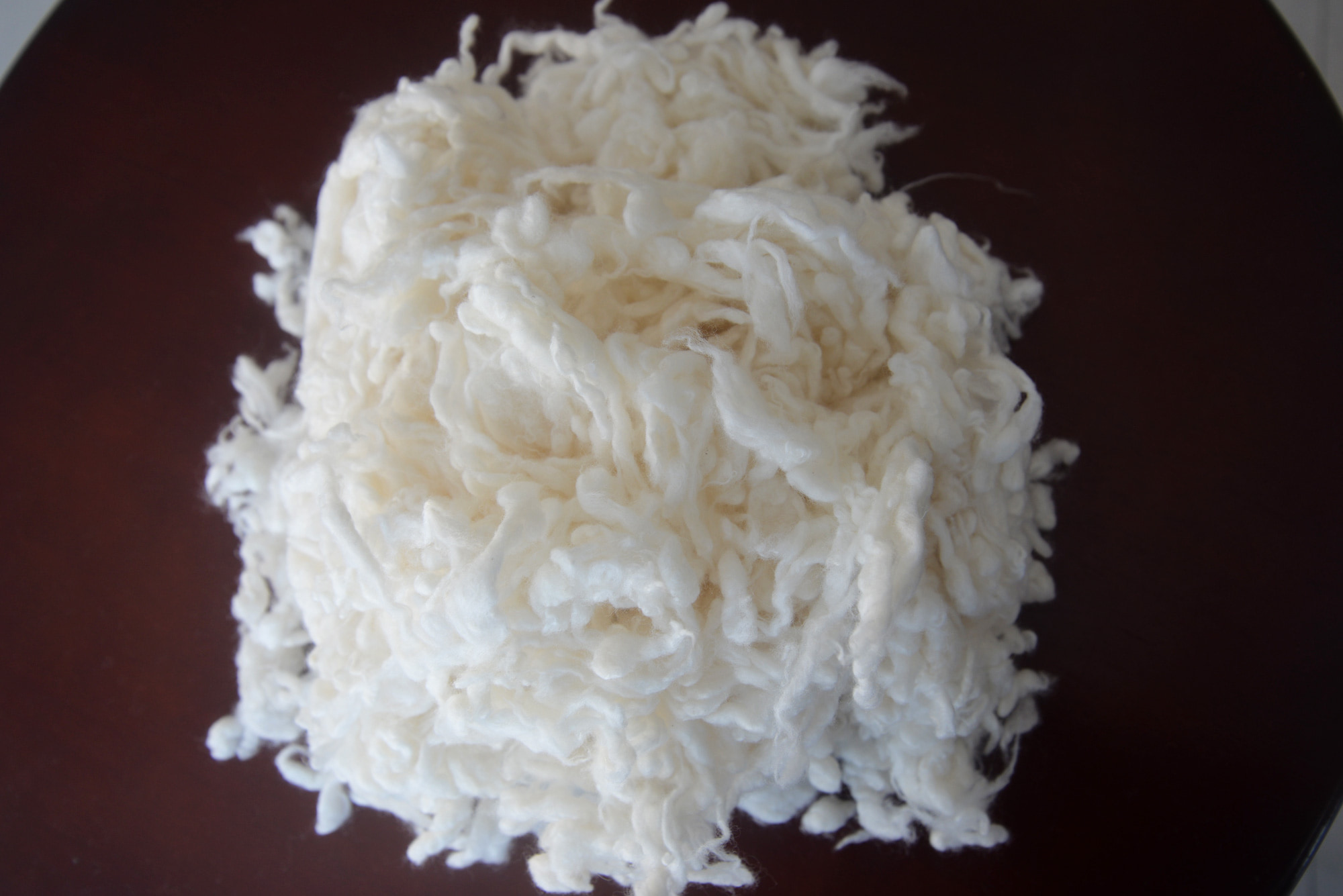
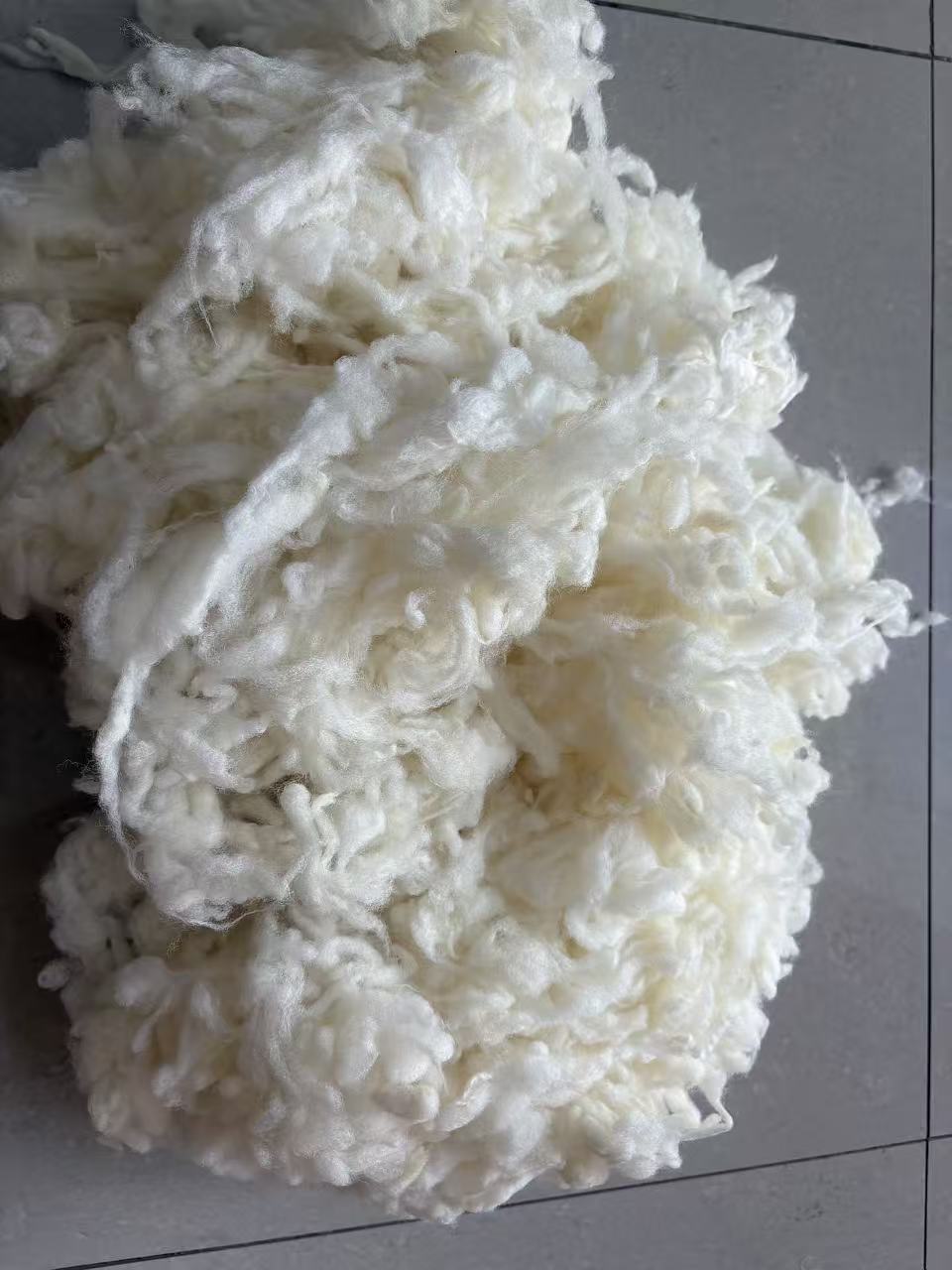
Wool fabric is a natural fabric derived primarily from sheep; however, other animals like alpaca, goat, and merino sheep are also involved in the fabric category. What differentiates wool fabric from other fibers is its complex, three-dimensional composition. Every wool fiber has scales and crimps that create air chambers; these contribute to insulation, stretchiness, and moisture control.
Unlike the flat, smooth fibers that weave, wool fibers have a dynamic behavior. They stretch, regrow, absorb the vapor of moisture, and adapt to temperature shifts. These traits serve as the basis for the wool’s performance benefits in regard to apparel, interior design, and technical fabric.
Cotton fabric basics: simplicity and widespread use
Cotton is a plant-based fiber that is harvested from cotton bolls and processed into fabric and yarn with simple mechanical processes. Cotton’s fibers are soft, breatheable, and commonly available, which accounts for their predominance in everyday attire, bed sheets, and household goods.
However, cotton’s fibers are simpler in structure than wool’s fibers. They have a lack of natural stretchiness and insulating crimp, which affects the way cotton responds to different environmental conditions. Understanding the structural difference is crucial in the evaluation of whether or not wool is superior to cotton in specific situations.
Thermal performance: temperature regulation vs insulation
One of the greatest differences between wool and cotton is the temperature behavior of temperature. Wool is commonly attributed to its superior ability to regulate temperature. The crimped organization of wool’s fibers promotes insulation, which is beneficial in cold conditions while still allowing for excess heat to be dissipated when temperatures increase.
Contrastingly, cotton provides little to no insulation. It is effective in temperate climates because of its breathability, but it provides little to no thermal protection in cold environments. Google’s most popular content typically notes this difference, particularly regarding apparel that is comparable to other materials, such as wool that is typically used in place of cotton.
Moisture management and comfort
Moisture control is another important component of the wool controversy with cotton. The wool fabric can hold up to 30% of its weight in moisture that doesn’t feel wet. This facilitates the regulation of humidity near the skin, which maintains the comfort of physical activity or temperature changes.
Cotton is quick to absorb moisture, but it stores it in the fiber, which results in a damp sensation and slower drying times. This attribute diminishes the cotton’s suitability for use in active or evolving conditions. Many high-ranking pages have demonstrated that wool is still warm when damp; however, cotton is not affected by this– this is an important difference in the functional clothing field.
Breathability and air circulation
Both wool and cotton are materials that breathe, but they do so in different ways. Cotton’s capacity for breathing is derived from its loose fiber composition and the ease with which it allows air to pass through the fabric. This promotes cotton’s comfort in hot, dry conditions.
The wool fabric provides active ventilation. Its fibers are sensitive to humidity and temperature, and will open and close to regulate the flow of air. This adaptive behavior benefits wool by providing an advantage in environments that have conditions that change throughout the day. This behavior is increasingly common in professional textile analysis.

Durability and fiber resilience
When determining if wool is more durable than cotton, the importance of durability is paramount. Wool fibers are inherently stretchy and can repeatedly bend without breaking. This flexibility allows fabric wool to withstand wrinkles, maintain its shape, and regrow from stress.
Cotton’s fibers are less stretchy and have a higher propensity to break under constant pressure. Eventually, cotton fabric may become thin, stretchy, or lose its structural integrity. Over time, this has been especially prevalent in garments or textiles that are subject to frequent movement. Wool fabric tends to have superior durability.
Wrinkle resistance and appearance retention
Wool fabric’s natural tendency to wrinkle is attributed to its elastic fiber composition. Clothes made from wool typically have a polished appearance that is minimally ironed; this makes wool a popular choice for custom clothing and formal wear.
Cotton’s wrinkles are easily accomplished and are typically required to be regularly pressed in order to maintain their crisp appearance. While this may be appropriate for everyday wear, it has a practical negative impact on situations where the consistency of appearance is important.
Odor resistance and hygiene
One of the most disregarded benefits of wool fabric is its inherent odor resistance. Wool fibers hinder the growth of bacteria that cause odors by controlling moisture and creating an adverse environment for microorganisms.
Cotton lacks this attribute and is prone to retaining smells, especially when in contact with sweat. This discrepancy has led to the increasing popularity of wool in performance apparel and travel gear, as documented in numerous high-profile articles on Google that compared natural fibers.
Skin sensitivity and comfort considerations
Cotton is commonly considered the safest choice for skin that is sensitive due to its softness and smooth fibers. For some, traditional wool may lead to discomfort. However, modern wool fabric, especially fine Merino wool, has decreased the fiber diameter significantly, which results in a softness similar to or greater than cotton.
High-quality wool fabric can now be employed easily alongside the skin, which challenges prior assumptions. This evolution is often observed in more recent, high-ranking content that concerns the modern treatment of textiles.
Maintenance and care requirements
The requirements of care are pivotal in the decision of consumers. Cotton is typically simple to wash and will tolerate high temperatures in machine laundries. Wool fabric is typically more delicate to handle; it requires extra care in the washing or dry cleaning process.
However, advances in textile processing have led to machine-washable wool fabric that retains its performance while reducing the complexity of maintenance. This shift is now more frequently reflected in industry-specific content and product recommendations.
Sustainability and environmental impact
Sustainability is now a central component of the fabric selection process. Wool fabric is environmentally friendly, biodegradable, and typically produced with a lower long-term impact than other materials. Also, wool clothing typically lasts longer, which reduces the frequency of replacement.
Cotton is considered a natural resource, but it’s also resource-intensive. Conventional cotton farming necessitates large amounts of water and chemicals. Organic cotton reduces some of these concerns, but it is still less long-lasting than wool. Sustainability-oriented search results are increasingly associated with wool’s lifecycle benefits.
Fire resistance and safety properties
The wool fabric’s intrinsic fire resistance is beneficial. It has a high temperature of ignition and is typically extinguished by itself rather than melted or dripped. This causes wool to be appropriate for uses that involve safety concerns, such as interior design, aviation, and public areas.
Cotton is more likely to be ignited by flames or burn quickly unless it is treated with flame retardants. This functional difference is frequently illustrated in the technical content of textile and interior design.
Use case comparison: apparel
In the clothing industry, wool fabric is superior in performance, sportswear, business attire, and cold-weather attire. Its versatility, comfort, and odor resistance make it appropriate for both casual and formal wear.
Cotton is the most popular fabric for casualwear, underwear, and summer clothing, because of its softness, breathability, and cost. In this category, the words “better” are entirely dependent on the climate and activity level instead of material superiority alone.
Use case comparison: home textiles
For textiles that are home-based, such as carpets, blankets, and upholstery, wool is typically considered the superior fabric because of its durability, resilience, and stain resistance. Wool carpets, such as those made from sheep’s wool, have a longer lifespan and are more resilient to compression.
Cotton is typically employed in bed sheets and other lightweight fabrics where the softness of the fabric and the ease of cleaning are paramount. Again, function is more important than a universal concept of preference.
Cost considerations: value vs price
Wool fabric is typically more expensive in the initial cost than cotton. However, a higher initial cost doesn’t necessarily lead to a lower value. The wool’s resilience, longevity, and performance often lead to a lower expense per utilization over time.
The availability of cotton is affordable, but the frequent substitutes can counter the initial savings. Today, the highest ranking consumer guides have shifted their focus to consider wool as a long-term investment instead of being considered a luxury.
Is wool better than cotton? A balanced conclusion
So, is it beneficial to wear wool over cotton? The response is based on the intended purpose. Wool fabric has a superior capacity to regulate temperature, manage moisture, has a long lifespan, and has an odor. These benefits make wool a superior material in numerous professional and performance-based scenarios.
Cotton continues to be an exceptional choice for temperate climates, casual attire, and situations that require simplicity and budget concerns. Instead of attempting to determine which fabric is superior in every regard, the more significant question is which material is most effective for specific purposes.
By understanding these disparities, manufacturers, designers; and consumers can make accurate decisions that balance comfort, performance, cost, and environmental responsibility.