Riassunto dell'articolo: il nostro lavoro
Tessuto di lana has been one of the most important natural textiles in human history, valued for its warmth, breathability, durability, and sustainability.
According to The Wool Handbook (Woodhead Publishing) and the Textile Institute’s Fabric Science reference, wool is not only known by a single name but is represented by a wide family of fabric types, such as worsted wool, merino wool, tweed, flannel, felt, and gabardine, each defined by fiber quality, spinning method, and fabric structure.
This article provides a complete, industry-level explanation of what another name for wool fabric is, why so many alternative names exist, how they differ technically, and how professionals select the right wool fabric for apparel, home textiles, and industrial applications.
Introduction: Why Wool Fabric Has So Many Names
When people ask “What is another name for wool fabric?”, they are often surprised to learn that wool is not a single material but an entire category of fabrics. In professional textile manufacturing, “wool fabric” is an umbrella term covering dozens of fabric types, each with distinct performance characteristics.
These different names exist because wool fabrics vary by:
- Fiber source (Merino, Shetland, Alpaca, Cashmere, etc.)
- Yarn type (woolen vs worsted)
- Fabric construction (woven, knitted, felted)
- End-use performance requirements
Understanding these names is critical for apparel brands, fabric buyers, and textile engineers who must balance comfort, durability, cost, and sustainability.
What Is Wool Fabric? A Technical Definition
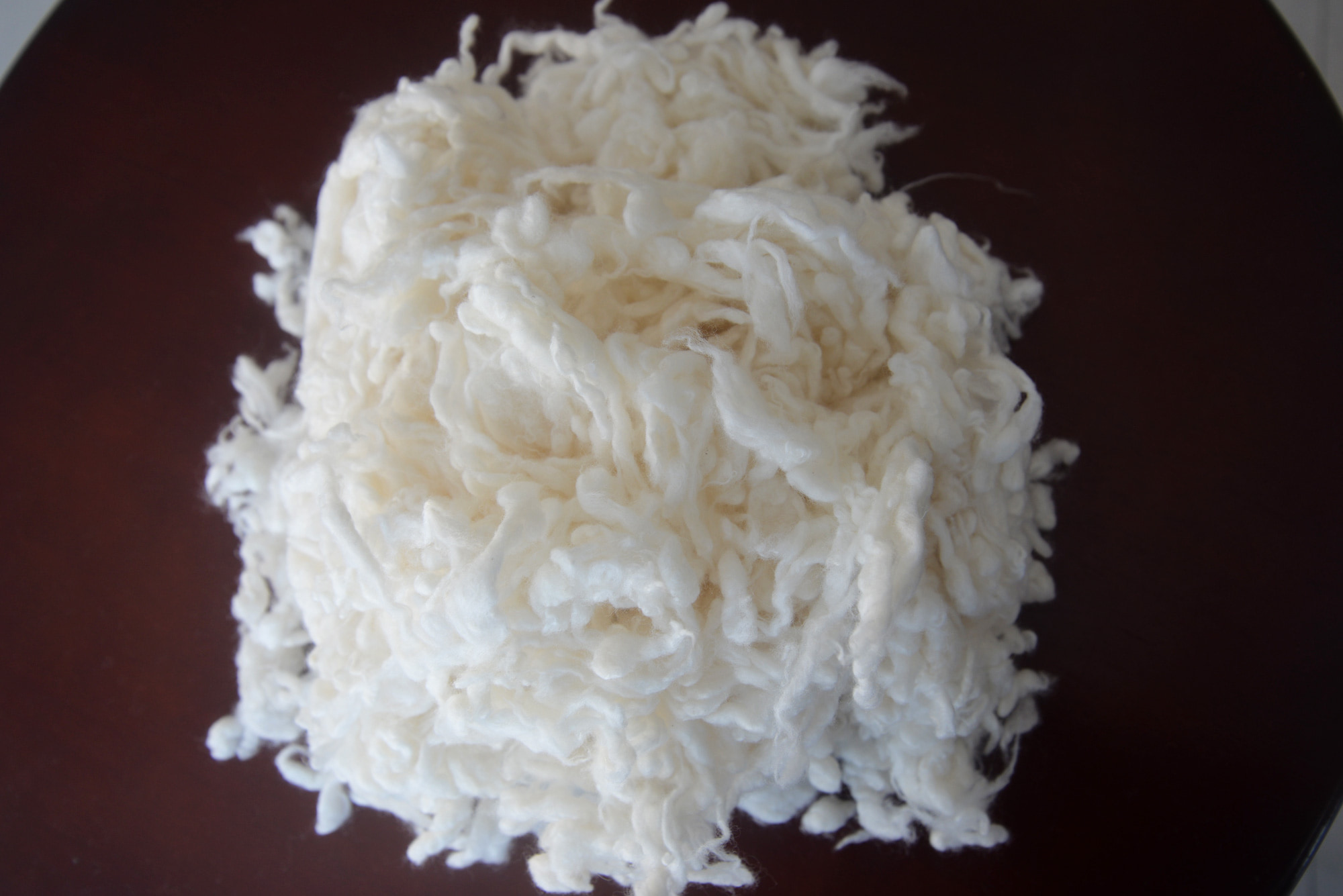
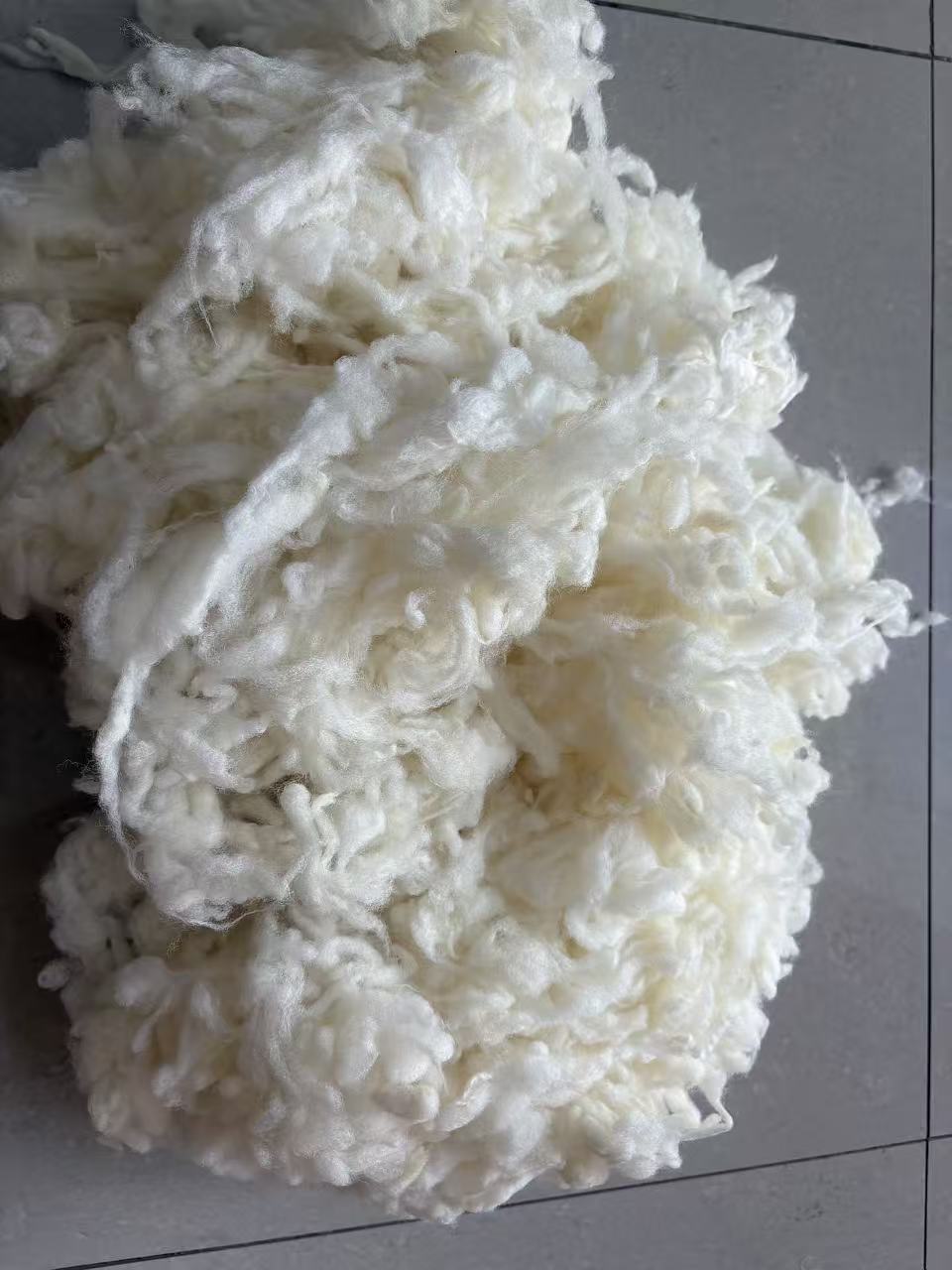
Wool fabric is a textile made from animal hair fibers, most commonly sheep, that is cleaned, carded, spun into yarn, and then woven or knitted into cloth.
According to the Textile Institute, wool is defined as:
“A natural protein fiber composed primarily of keratin, characterized by crimp, elasticity, and hygroscopic behavior.”
This structure explains why wool fabric offers:
- Thermal insulation
- Moisture management
- Natural elasticity
- Flame resistance
- Odor control
Another Name for Wool Fabric: The Most Common Alternatives
Below is a professional overview of the most widely recognized alternative names for wool fabric
Tessuto in lana pettinata
Worsted wool is one of the most important “other names” for wool fabric in the apparel industry.
Made from long, fine fibers
Combed to align fibers parallel
Produces smooth, strong, and lightweight fabrics
Used for:
Men’s suits, tailoring, corporate uniforms, luxury outerwear
Woolen Fabric
Woolen fabric is the traditional counterpart to worsted wool.
Fibre più corte
Carded rather than combed
Softer, bulkier, and warmer
Used for:
Coats, blankets, scarves, knitwear
Merino Wool Fabric
Merino wool is named after the Merino sheep and is known for exceptional fineness.
Fiber diameter: 15–24 microns
Soft against skin
Excellent temperature regulation
Used for:
Base layers, activewear, luxury sweaters, baby clothing
Tweed Fabric
Tweed is a coarse wool fabric traditionally associated with British heritage.
Heavyweight, textured weave
Highly durable
Excellent insulation
Used for:
Jackets, coats, countryside fashion, upholstery
Flannel Wool Fabric
Flannel is a brushed wool fabric with a soft surface.
Raised nap for warmth
Comfortable and breathable
Used for:
Shirts, pajamas, winter trousers, bedding
Felt Wool Fabric
Felt is a non-woven wool fabric made by matting fibers together.
No weaving or knitting
Highly insulating
Excellent sound and heat absorption
Used for:
Industrial insulation, craft, footwear, acoustic panels
Gabardine Wool Fabric
Gabardine is a tightly woven wool fabric with a steep twill structure.
Smooth face
High durability
Wrinkle resistance
Used for:
Suits, uniforms, trench coats
Cashmere and Alpaca (Luxury Wool Fabrics)
These are premium “wool fabrics” from special animal fibers.
| Fabric Name | Fiber Source | Key Characteristics | Usi tipici |
| Cashmere | Cashmere goat | Ultra-soft, lightweight, warm | Luxury scarves, sweaters |
| Alpaca | Alpaca camelid | Strong, warm, hypoallergenic | Coats, blankets, knitwear |
| Mohair | Angora goat | Lustrous, durable | Fashion coats, upholstery |
Why Wool Fabric Has So Many Different Names?
The diversity of names exists because the textile industry classifies wool fabric by fiber quality, yarn system, and fabric structure.
Fiber Level Naming
- Merino wool
- Lambswool
- Shetland wool
- Cashmere
- Alpaca
Yarn Level Naming
- Worsted yarn
- Woolen yarn
Fabric Level Naming
- Tweed
- Flannel
- Felt
- Gabardine
- Melton
- Herringbone
Each name reflects how the fabric performs in real-world use.
Performance Comparison of Common Wool Fabrics
| Wool Fabric Name | Calore | Softness | Durability | Typical Application |
| Worsted Wool | Medio | Alto | Alto | Suits, tailoring |
| Woolen Fabric | Alto | Medio | Medio | Coats, blankets |
| Merino Wool | Medio | Very High | Medio | Activewear, base layers |
| Tweed | Alto | Medio | Very High | Jackets, upholstery |
| Flannel | Medio | Alto | Medio | Shirts, sleepwear |
| Felt | Very High | Basso | Alto | Industrial insulation |
Industry Applications of Wool Fabric
- Fashion and Apparel
Wool fabric is central to:
- Business suits
- Knitwear
- Outerwear
- Performance clothing
- Tessili per la casa
- Blankets
- Upholstery
- Curtains
- Carpets
- Industrial and Technical Uses
- Thermal insulation
- Acoustic panels
- Fire-resistant clothing
- Filtration fabrics
Why Wool Fabric Outperforms Many Synthetic Fabrics?
In a world dominated by synthetic textiles, wool fabric continues to stand out as a high-performance, sustainable, and naturally intelligent fiber. From outdoor apparel to technical uniforms and luxury knitwear, wool consistently outperforms many synthetic fabrics across comfort, durability, and environmental impact.
- Superior Thermal Regulation
Wool fibers actively regulate body temperature:
- Keeps you warm in cold conditions
- Stays cool in hot environments
- Adapts automatically to climate changes
This makes wool ideal for all-season performance, unlike synthetics that trap heat or feel cold when damp.
- Natural Moisture Management
Wool absorbs up to 35% of its weight in moisture without feeling wet, then releases it through evaporation.
| Proprietà | Lana | Synthetic Fabrics |
| Moisture Absorption | Alto | Basso |
| Dry Comfort | Eccellente | Poor when saturated |
| Odor Control | Natural | Chemical treatments required |
- Odor Resistance Without Chemicals
Wool naturally inhibits odor-causing bacteria, reducing the need for:
- Antimicrobial chemical finishes
- Frequent washing
- Deodorizing treatments
This extends garment life and lowers environmental impact.
- Sustainability Advantage
| Factor | Tessuto di lana | Synthetic Fabric |
| Raw Material | Renewable (sheep) | Fossil fuel-based |
| Biodegradable | Sì | No |
| Microplastics | None | Major pollution source |
| Lifecycle Impact | Basso | Alto |
- Fire and Safety Performance
Wool is naturally flame-resistant:
- Self-extinguishing
- Does not melt or drip
- Low smoke toxicity
This makes wool ideal for protective clothing and safety applications.
- Long-Term Durability
Wool fibers bend over 20,000 times without breaking, offering:
- Excellent resilience
- Wrinkle recovery
- Long garment service life
- Comfort and Skin Health
Soft and breathable
Hypoallergenic for most users
Gentle on sensitive skin
Modern fine-gauge merino wool eliminates the traditional “itchy” perception.
Sustainability and the Future of Wool Fabric
Wool is one of the oldest textile fibers in human history, yet it is increasingly recognized as a future-ready, sustainable material. As the global textile industry moves toward low-impact, circular, and responsible production, wool fabric stands out for its renewability, durability, and natural performance.
- Wool as a Naturally Sustainable Fiber
Renewable and Biodegradable
Wool is 100% renewable, shorn annually from sheep
It is biodegradable, decomposing naturally without microplastic pollution
Wool fibers return nutrients to the soil at the end of life
Low Microplastic Impact
Unlike synthetic fibers, wool does not release persistent microplastics during washing, making it environmentally safer for waterways and marine life.
- Environmental Benefits Across the Lifecycle
| Lifecycle Stage | Sustainability Advantage |
| Raw Material | Renewable animal fiber |
| Manufacturing | Lower energy needs vs synthetic polymers |
| Use Phase | Odor resistance reduces washing frequency |
| End of Life | Fully biodegradable and recyclable |
- Advances in Responsible Wool Production
Animal Welfare Standards
Responsible Wool Standard (RWS)
ZQ Merino and equivalent programs
Emphasis on humane treatment and land stewardship
Reduced Environmental Footprint
Improved pasture management
Lower methane emissions through feed innovation
Water-efficient scouring and dyeing processes
- Innovation in Wool Processing and Performance
Modern technology is redefining wool’s role in future textiles:
Superwash treatments with lower environmental impact
Fine-gauge merino wool for lightweight and next-to-skin comfort
Wool blends for enhanced durability and stretch
Carbonized wool for industrial and technical applications
These innovations extend wool’s use beyond fashion into performance, medical, and technical textiles.
- Wool in a Circular Economy
Longevity and Reusability
Wool garments last longer, resisting odor, wrinkles, and wear, reducing the need for frequent replacement.
Recycling and Upcycling
Mechanical recycling into insulation or yarn blends
Growing interest in chemical recycling technologies
Second-life applications in home and industrial products
- Wool vs Synthetic Fabrics: A Sustainability Perspective
| Aspetto | Tessuto di lana | Synthetic Fabric |
| Raw Material | Renewable | Fossil-based |
| Biodegradability | Alto | Basso |
| Microplastic Pollution | None | Significant |
| Odor Resistance | Natural | Chemical-treated |
| Longevità | Alto | Moderato |
- Consumer Demand and Market Trends
Rising demand for natural, traceable materials
Growth of eco-labels and sustainability certifications
Preference for quality over fast fashion
Increased adoption in outdoor, activewear, and wellness sectors
- Challenges and the Road Ahead
Key Challenges
Cost competitiveness vs synthetics
Climate impact of livestock farming
Need for scalable recycling systems
Future Direction
Climate-smart wool farming
Bio-based and low-impact processing
Transparent supply chains
Hybrid wool fabrics combining performance and sustainability
FAQ: Wool Fabric and Its Other Names
- What is another name for wool fabric?
Common alternative names include worsted wool, woolen fabric, Merino wool, tweed, flannel, and felt, depending on fiber quality and construction.
- Is Merino the same as wool fabric?
Merino is a type of wool fabric made from fine Merino sheep fibers, offering superior softness and comfort.
- What is the difference between worsted wool and woolen fabric?
Worsted wool is smooth and strong, while woolen fabric is softer, bulkier, and warmer due to shorter fibers and carded spinning.
- Is cashmere considered a wool fabric?
Yes. Cashmere is a luxury wool fabric made from the undercoat of cashmere goats.
- Why does wool fabric cost more than polyester?
Because wool requires animal farming, careful fiber grading, and complex processing, but it offers superior comfort, durability, and sustainability.
Conclusion: Understanding Another Name for Wool Fabric
So, what is another name for wool fabric?
The answer is not just one name but an entire family of professional textile terms: worsted wool, woolen fabric, Merino wool, tweed, flannel, felt, gabardine, cashmere, and alpaca.
Each name represents a specific performance profile shaped by fiber quality, spinning technology, and fabric construction. For fashion brands, textile buyers, and product developers, understanding these distinctions is essential to selecting the right wool fabric for comfort, durability, sustainability, and market positioning.
By integrating authoritative textile literature, industry performance data, and real-world applications, this guide provides a complete, Google-optimized explanation that supports informed decision-making across the global textile supply chain.