要旨
Yarn breakage during spinning is a common quality and efficiency challenge for textile manufacturers. While production teams often focus on machine settings, humidity control, and operator practices, the root cause may come from raw wool contamination caused by vegetable matter (VM).
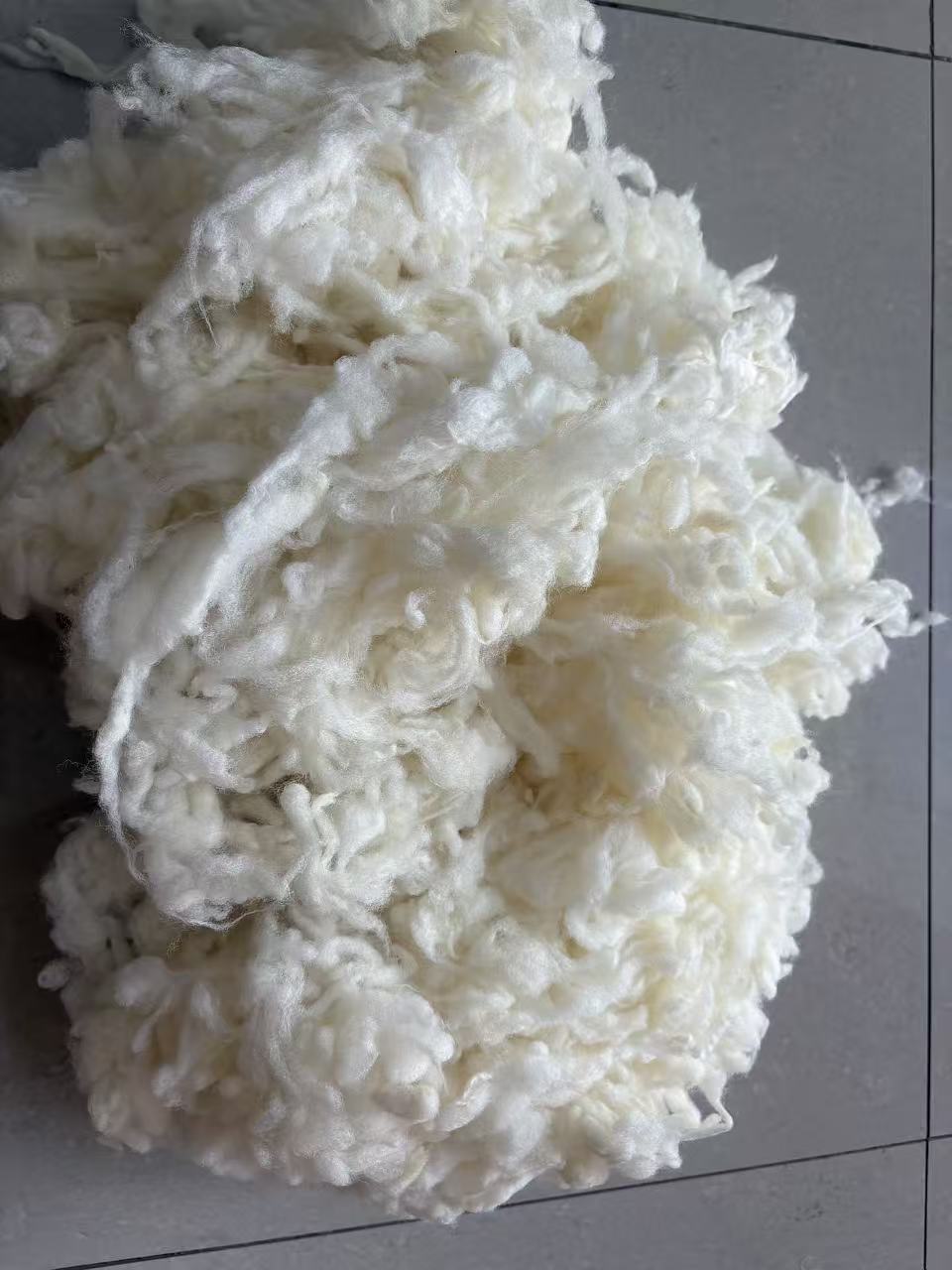
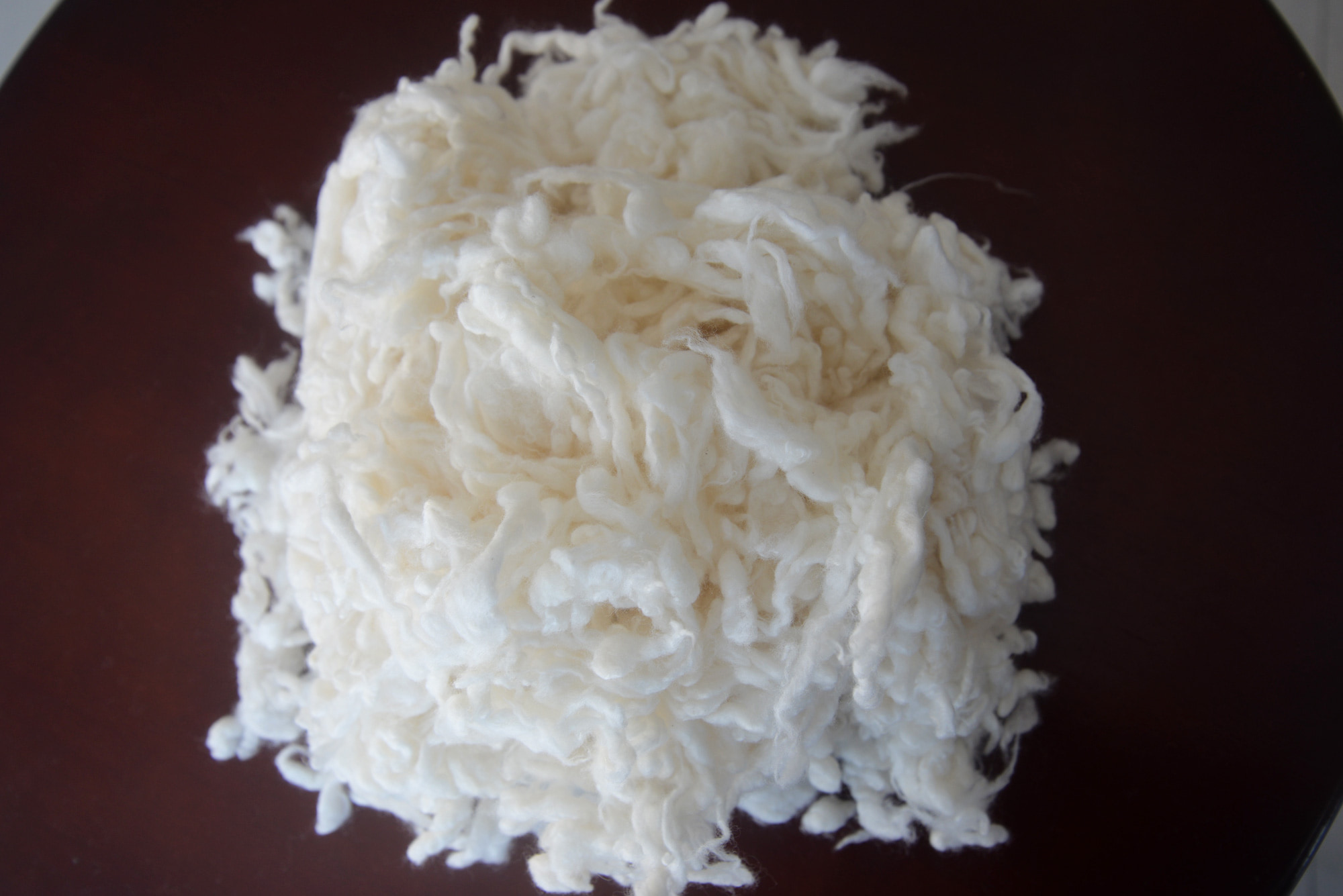
Burrs, seeds, and plant debris can disrupt fibre alignment during processing, leading to neps, uneven yarn formation, and increased end-breaks. 炭化ウール removes these cellulosic contaminants through controlled treatment while preserving the natural strength and properties of wool fibres.
This article explains how VM affects yarn quality, how the carbonised wool process works, and what buyers should consider when sourcing high-quality carbonised wool.
1. The Hidden Cost of Vegetable Matter in Raw Wool
1.1 How Burrs and VM Trigger Yarn Breakage
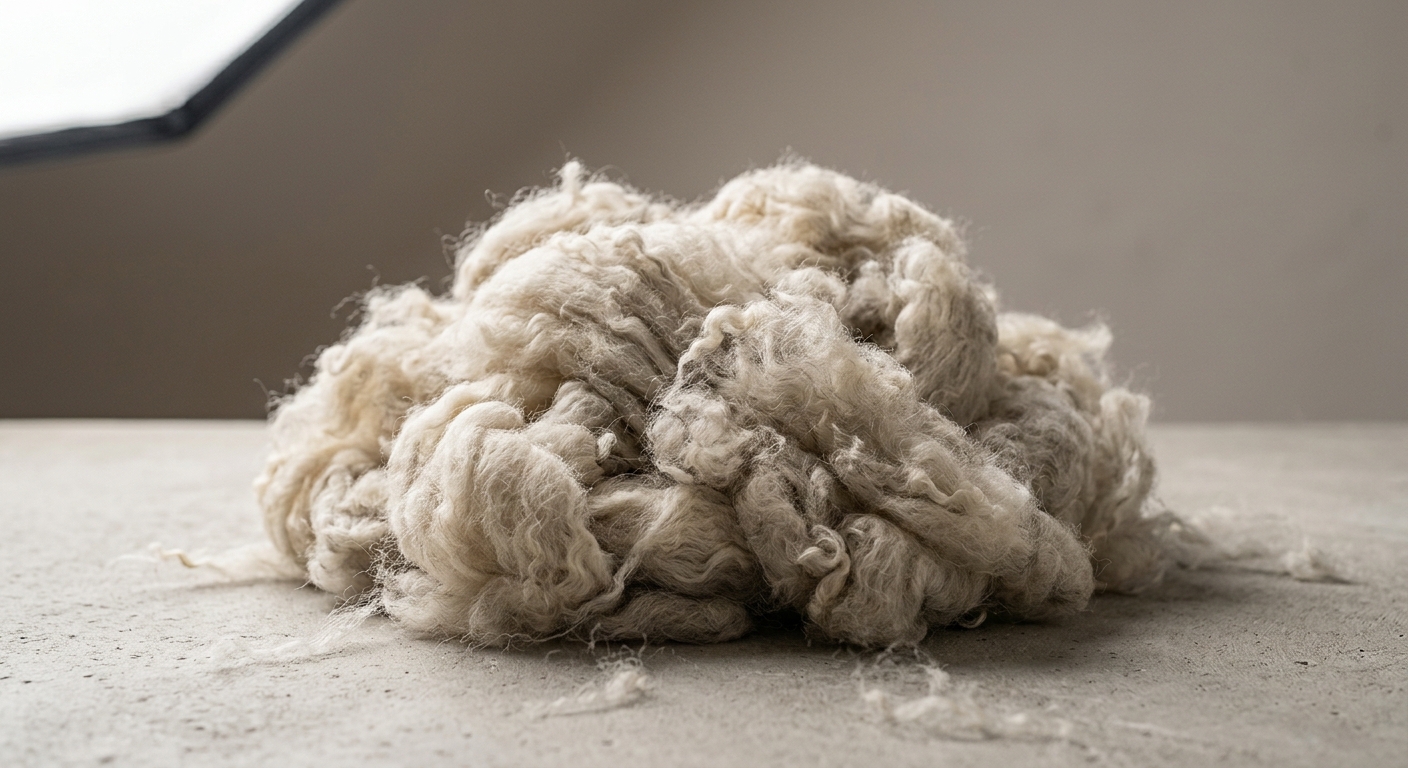
Vegetable matter (VM) is not just harmless contamination in wool processing. Burrs, grass seeds, and plant fragments act as rigid particles inside the flexible wool fibre structure. During carding, these contaminants interfere with fibre opening and alignment, creating tension points that lead to nep formation. These tangled fibre clusters reduce drafting stability and cause uneven sliver formation.
As the sliver moves through drawing and roving, nep areas become weak points. Under the repeated tension of ring spinning or open-end spinning, these weak sections are more likely to break, resulting in end-breaks, production interruptions, and lower spindle efficiency.
Hard burrs can create additional damage due to their sharp structure. Instead of being removed easily, they may remain trapped within the fibre bundle and damage surrounding fibres during spinning. Even small VM particles can contribute to higher yarn hairiness and increased pilling risk in finished fabrics.
1.2 Quantifying the Defect Risk: VM Content vs. Yarn Break Rate
The amount of vegetable matter in raw wool has a direct impact on spinning performance. Wool with higher VM content is more likely to cause fibre irregularity, increased waste, and frequent yarn breaks. For fine-count yarn production, wool with excessive VM levels requires additional treatment before spinning to achieve stable quality.
VM Content Level vs. Spinning Performance Metrics
| VM Content (% by weight) | Typical Break Rate (breaks/100 spindle-hours) | Waste Rate (%) | Suitable End-Use |
|---|---|---|---|
| ≤ 0.5% | 4 – 8 | 1.5 – 2.5 | Fine worsted, hosiery, knitwear |
| 0.5% – 1.5% | 10 – 18 | 3.0 – 5.0 | Medium worsted, weaving yarn |
| 1.5% – 3.0% | 22 – 40 | 6.0 – 9.0 | Coarse woollen, blended yarn |
| > 3.0% | > 45 | > 10.0 | Requires carbonisation before use |
The waste rate column is particularly significant from a commercial standpoint. At VM levels above 1.5%, waste accumulation during carding and spinning can consume 6–9% of the total fibre input — a direct material cost that compounds across production volume. For a mill processing 500 kg of wool per shift, the difference between 2% and 8% waste represents 30 kg of lost fibre per shift, or approximately 7,800 kg annually on a single-shift operation.
2. The Carbonisation Process: How It Works
2.1 Core Chemistry and Process Stages
The carbonisation process is based on the different chemical properties of wool’s keratin structure and the cellulosic composition of plant-based vegetable matter (VM). Cellulose can be broken down through acid hydrolysis, while wool fibres remain stable under the controlled conditions used in commercial carbonisation.
The process consists of several carefully controlled stages:
- Acid impregnation: Wool is treated with a dilute sulfuric acid (H₂SO₄) solution, typically at a concentration of 4–7% by weight. The acid penetrates the cellulosic VM while coating the wool fibres, preparing the contaminants for removal.
- Drying: The treated wool is dried at moderate temperatures (60–70°C) to remove excess moisture while preventing premature degradation of the cellulose.
- Baking/carbonisation: The dried wool passes through a controlled heating stage at approximately 100–130°C. During this stage, the acid promotes the dehydration and carbonisation of cellulosic material, converting VM into brittle carbon particles that can be removed mechanically. Temperature control and processing time are critical, as excessive heat exposure may affect wool fibre quality.
- Crushing and dusting: The carbonised wool is processed through crushing rollers to break down the carbonised VM particles, followed by mechanical dusting or willowing to remove carbon residues from the fibre mass.
- Neutralisation: Remaining acid is neutralised through an alkaline treatment, typically using sodium carbonate or ammonia solution, restoring the wool’s pH to a fibre-safe range of 6.5–7.5.
- Washing and drying: Final washing removes residual salts from the neutralisation process, and the wool is dried to achieve the standard moisture regain level required for wool processing (typically 16–17%).
Consistency across these processing stages determines the quality of carbonised wool. A well-controlled process removes VM effectively while maintaining the natural properties required for spinning.
2.2 Fibre Integrity: What Carbonisation Removes vs. What It Preserves
When properly controlled, carbonisation selectively removes vegetable matter while preserving the essential characteristics of wool fibres. High-quality carbonised wool typically achieves residual VM levels below 0.5%, while premium grades can reach below 0.3%. These values are key quality indicators that buyers should verify when evaluating suppliers.
The keratin fibre structure remains stable across several important performance parameters:
- Tensile strength: Properly processed carbonised wool can retain most of its original fibre strength when acid concentration, temperature, and processing time are carefully controlled.
- Fibre diameter: Mean fibre diameter (MFD) and diameter variation (CV%) generally remain consistent after carbonisation when process conditions are properly managed.
- Crimp structure: The natural crimp that supports yarn cohesion and fibre bulk is maintained, helping preserve the wool’s spinning performance.
Fibre damage may occur when acid concentration is excessive, baking temperatures are too high, or neutralisation is incomplete. Residual acid can continue affecting fibre quality during storage, making process records, quality testing, and batch verification important requirements when sourcing carbonised wool.
2.3 Carbonised Wool vs. Conventional Wool: What Makes the Difference?
The key difference between conventional wool and carbonised wool lies in vegetable matter (VM) control. While conventional wool may contain residual burrs, seeds, and plant debris after basic processing, carbonised wool undergoes an additional treatment to remove these contaminants and improve fibre cleanliness.
Residual VM in conventional wool can interfere with carding and spinning, increasing the risk of neps, uneven yarn formation, and end-breaks. For manufacturers producing fine-count yarns or high-quality fabrics, these defects can affect both production efficiency and final product consistency.
Through controlled carbonisation, cellulosic VM is converted into removable carbon particles, while the natural properties of wool fibres are maintained. Compared with conventional wool, carbonised wool provides cleaner fibre preparation, more stable spinning performance, and better quality control.
| Comparison Aspect | Conventional Wool | 炭化ウール |
|---|---|---|
| VM Control | May contain residual plant matter | Significantly reduced VM content |
| Spinning Stability | Higher risk of defects | More consistent yarn production |
| Fibre Preparation | Depends on raw wool cleanliness | Controlled through carbonisation process |
| Quality Consistency | May vary between batches | Better process control |
For yarn manufacturers seeking stable production and consistent yarn quality, carbonised wool offers a more reliable option by reducing contamination risks before spinning begins.
3. Quality Standards and Compliance Benchmarks
3.1 Key Technical Specifications Buyers Should Audit
Purchasing carbonised wool without verifying technical specifications can create the same quality issues that the carbonisation process is designed to prevent. Buyers should request test reports for each commercial lot and evaluate the following key parameters:
Residual VM (%): Target ≤ 0.5% for worsted applications and ≤ 0.3% for fine-count spinning. Testing should follow IWTO-19 or an equivalent gravimetric method.
pH value: After neutralisation, the wool should maintain a pH range of 6.5–7.5. Lower values may indicate incomplete neutralisation and potential fibre degradation during storage.
Fibre tensile strength (cN/tex): Verify that fibre strength remains within the expected range for the relevant micron category after carbonisation.
Mean fibre diameter (µm): Confirm that the carbonisation process has not caused significant changes in fibre diameter compared with the original specification.
Moisture regain (%): A moisture regain level of around 16–17% indicates proper drying and suitable storage conditions for wool.
Vegetable matter type: Different VM species, such as medic burr and bathurst burr, may respond differently during carbonisation. Suppliers should provide information about the main types of VM present in the source wool.
IWTO (International Wool Textile Organisation) standards provide a recognised framework for wool quality evaluation, while Woolmark certification can offer additional assurance for buyers supplying premium apparel markets.
3.2 Traceability and Certification Requirements
For manufacturers supplying European and US markets, traceability documentation has become an important part of quality management rather than an optional service. Buyers should request:
- Batch test reports linked to specific lot numbers, covering key quality parameters.
- Country of origin documentation for source wool, supporting compliance, tariff classification, and sustainability claims.
- Process records showing acid concentration, baking temperature, and neutralisation data for each production batch.
- Independent laboratory verification or periodic third-party testing to confirm internal quality results.
Suppliers that cannot provide sufficient quality documentation may present higher sourcing risks, even when offering competitive pricing.
4. Commercial and Operational Value for Yarn Manufacturers
4.1 Impact on Spinning Efficiency and Downtime Reduction
The value of carbonised wool is closely linked to improved spinning efficiency and reduced production interruptions. End-break frequency is one of the key performance indicators, as each yarn break requires operator attention and temporarily reduces spindle productivity.
By reducing VM-related defects, carbonised wool can help minimise end-breaks, improve machine utilisation, and maintain more stable production performance. Additional benefits include reduced card clothing wear, fewer maintenance requirements for drafting components, and improved yarn count consistency (Ne or Nm CV%) across production batches.
More consistent yarn quality also helps reduce fabric defects during weaving and knitting, lowering quality losses throughout the textile production process.
4.2 Sourcing Carbonised Wool: Supplier Evaluation Criteria
A reliable carbonised wool supplier should be evaluated based on both product quality and process consistency. Key purchasing considerations include:
Lot-to-lot VM% consistency: Suppliers should demonstrate stable VM removal performance across multiple production lots rather than relying on single-batch results.
Moisture regain compliance: Proper moisture control ensures accurate weight measurement and stable processing performance.
Lead time reliability: Since carbonisation requires additional processing compared with greasy or scoured wool, suppliers should provide realistic delivery schedules.
Minimum order quantity (MOQ) and lot traceability: Suppliers offering clear batch documentation and flexible order options can help buyers manage quality risks more effectively.
Acid neutralisation verification: Buyers should request pH test records and process data rather than relying only on supplier declarations.
FAQ
Q1: What is the acceptable residual vegetable matter percentage in carbonised wool for fine-count yarn spinning?
For fine-count worsted spinning (Nm 60 and above), residual VM should not exceed 0.3–0.5% by weight. At counts above Nm 80, even 0.5% VM can generate sufficient nep formation to elevate end-break rates above acceptable thresholds. Buyers targeting luxury knitwear or fine suiting fabrics should specify ≤ 0.3% VM as a contract requirement and request IWTO-19 test certificates per lot.
Q2: Does the carbonisation process affect wool fibre diameter or cause measurable fibre damage?
When process parameters are correctly controlled — particularly baking temperature (100–130°C) and acid concentration (4–7% H₂SO₄) — carbonisation does not cause statistically significant changes to mean fibre diameter or tensile strength. Fibre damage occurs primarily when baking temperatures exceed 135°C or when neutralisation is incomplete, leaving residual acid in the fibre. Always request post-carbonisation fibre strength and diameter test data from suppliers.
Q3: How should buyers verify that a supplier’s carbonisation process meets international textile quality standards?
Request batch-level test certificates referencing IWTO test methods (particularly IWTO-19 for VM and IWTO-12 for fibre diameter). Verify that pH neutralisation data is included. For ongoing supply relationships, commission independent third-party laboratory testing on at least one lot per quarter. Woolmark certification provides an additional process quality signal, though it does not replace lot-specific testing.
結論
Yarn breakage caused by vegetable-matter contamination is a preventable quality issue, and carbonised wool offers an effective solution for spinners and yarn manufacturers. By removing cellulosic contaminants during processing while preserving wool fibre performance, carbonised wool helps reduce neps, improve yarn consistency, and support more stable spinning operations.
The value of carbonised wool depends not only on effective VM removal but also on supplier quality control. Parameters such as residual VM content, pH balance, fibre strength retention, and lot consistency are essential for ensuring reliable performance in production.
Choosing a supplier with consistent processing capability and complete quality documentation can help manufacturers reduce defects and improve production efficiency. Contact 巨大なウール to discuss your carbonised wool requirements and learn how our solutions can support your spinning and textile applications.