소개
For many textile manufacturers, inconsistent wool quality can create unexpected challenges during production. Even after scouring, raw wool may still contain vegetable matter such as burrs, grass seeds, and plant residues. These impurities can affect spinning performance, increase fabric defects, and lead to additional processing costs.
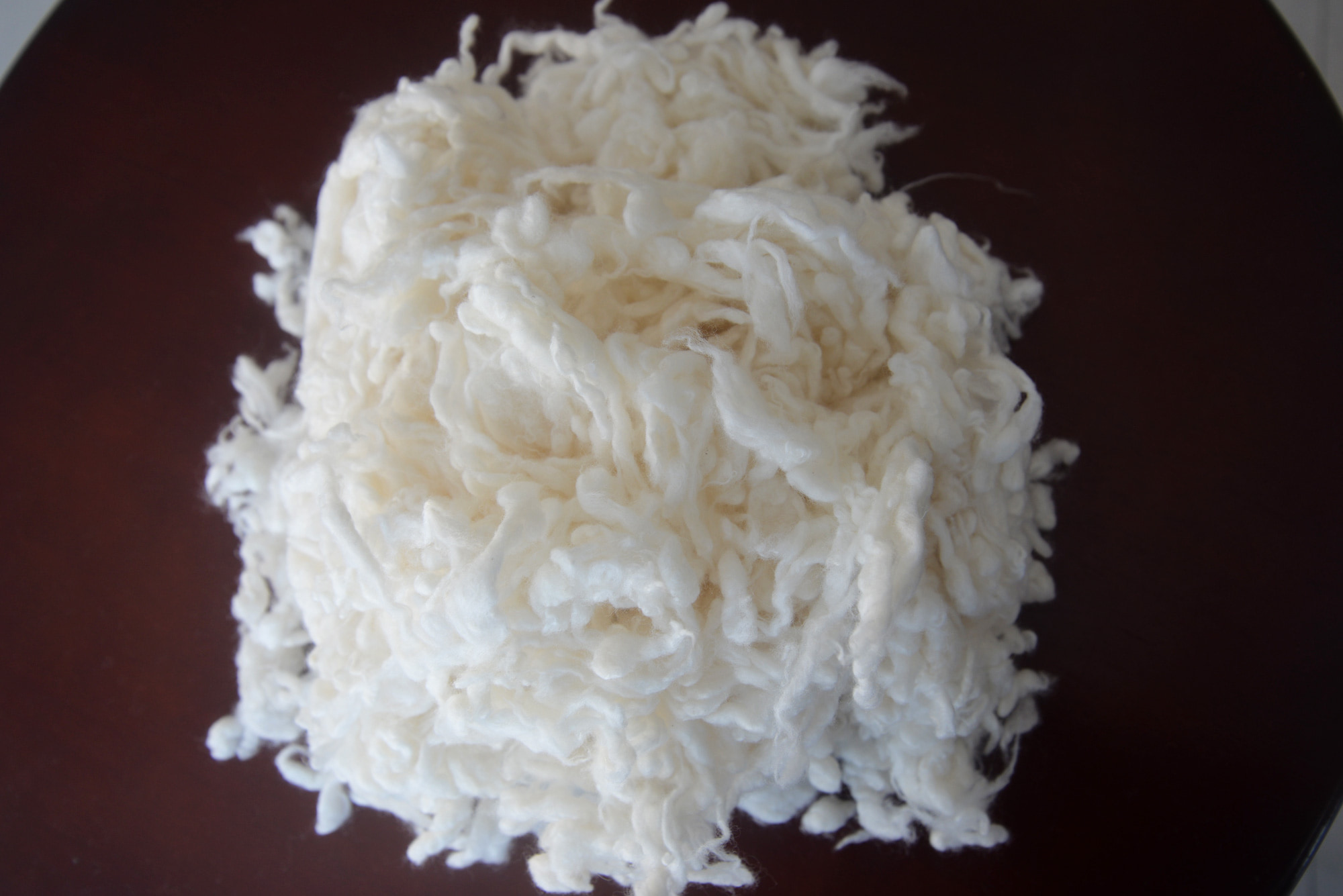
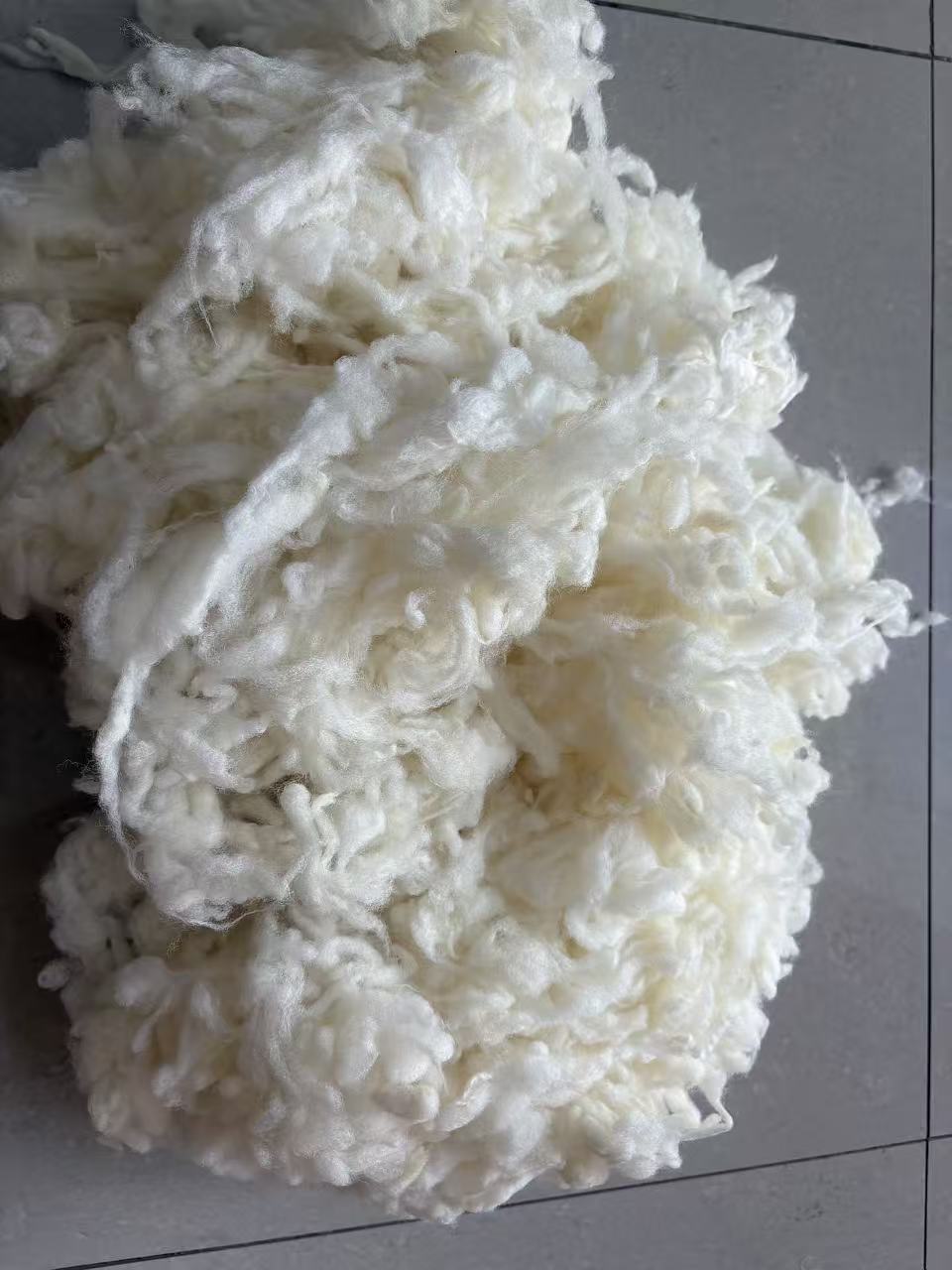
Carbonisation provides an effective way to remove these cellulose-based contaminants by converting them into brittle particles that can be easily eliminated. The result is 탄화 양모—a cleaner and more consistent wool material designed for improved processing performance, more uniform dyeing, and higher-quality textile production.
What Exactly Is Carbonised Wool and How Is It Made?
Carbonised wool is not simply washed or scoured wool. It is produced through a controlled chemical treatment that removes cellulose-based impurities, also known as vegetable matter, from natural wool fibers. The process takes advantage of the difference between wool, a protein fiber, and plant residues, which are mainly composed of cellulose. By applying dilute acid treatment and controlled heating, the vegetable matter becomes brittle and can be removed without significantly affecting the wool fiber structure.
Producing high-quality carbonised wool requires careful control throughout the entire process. The main stages typically include:
- Acid treatment: Scoured wool is treated with a controlled concentration of sulfuric acid, allowing the chemical solution to react with cellulose-based impurities.
- Drainage and drying: Excess acid is removed, and the wool is dried under controlled conditions to ensure even chemical penetration.
- Carbonisation: During controlled heating, the vegetable matter is dehydrated and converted into brittle particles.
- Dusting and removal: Mechanical action breaks down the carbonised residues, which are then separated from the wool fibers.
- Neutralisation and finishing: Remaining chemicals are neutralised, followed by washing, drying, and baling to prepare the wool for further textile processing.
With proper process control, carbonisation can significantly reduce vegetable matter content while maintaining the natural softness, strength, and flexibility of wool fibers. Modern processing methods continue to improve efficiency by reducing unnecessary chemical exposure and preserving overall fiber quality.
Why Carbonised Wool Offers Better Processing Performance
For textile manufacturers, the value of carbonised wool is reflected in more consistent production results. By removing impurities that interfere with spinning and finishing, this processed wool material helps improve efficiency, reduce defects, and maintain stable product quality.
Improved Cleanliness and Fiber Consistency
The primary advantage is the effective removal of vegetable matter such as burrs and plant residues. Cleaner fibers reduce the risk of impurities appearing in yarn and fabric, helping manufacturers achieve smoother production and fewer quality issues during later processing stages.
More Efficient Spinning Performance
During spinning, remaining impurities can create irregularities, increase yarn breaks, and interrupt production. With fewer contaminants, carbonised wool provides a more uniform fiber input, supporting smoother spinning operations and reducing unnecessary downtime.
More Uniform Dyeing Results
Vegetable matter can interfere with dye absorption and create visible defects in finished fabrics. By removing these contaminants before dyeing, carbonised wool helps manufacturers achieve more even colour distribution, which is especially important for premium apparel, upholstery, and other high-quality textile applications.
Reduced Waste and Better Material Utilisation
Cleaner wool allows more fibers to contribute to the final product rather than being lost to defects, cleaning, or rejection. This improved material utilisation can help manufacturers optimise production costs while maintaining consistent quality.
Maintaining Wool’s Natural Properties
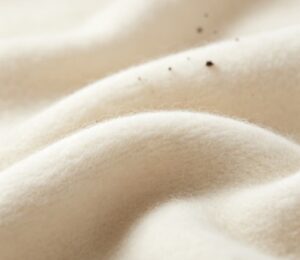
When the carbonisation process is properly controlled, wool can retain its essential characteristics, including strength, elasticity, and a soft handle. The goal is not only to remove impurities but also to preserve the natural performance advantages that make wool a valuable textile fiber.
Carbonised Wool vs. Scoured Wool: A Side-by-Side Comparison
To appreciate the difference, it helps to see the two products compared directly. The following table highlights the key distinctions that matter most to manufacturers.
| 속성 | 일반 세척 양모 | 탄화 양모 |
|---|---|---|
| Vegetable matter content | 0.5% – 3.0% (variable) | < 0.2% (consistent) |
| Spinning breakage rate | Moderate to high | Low (10–15% fewer breaks) |
| Dyeing uniformity | Specking and uneven uptake are common | Level dyeing, no specks |
| Fabric appearance | May contain visible VM specks | Clean, uniform surface |
| Processing waste | 5–10% rejection from VM defects | < 2% waste |
| Machine maintenance | Frequent cleaning of carding and combing | Reduced cleaning intervals |
| Fiber strength retention | Baseline (100%) | ≥ 95% of baseline (with proper control) |
| Suitability for high-end goods | Limited | 우수 |
The data speaks for itself. Carbonised wool is not just a “cleaner” version of scoured wool—it is a fundamentally different input that unlocks higher productivity and superior output quality.
Essential Quality Parameters for Premium Carbonised Wool
Not all carbonised wool products deliver the same level of performance. The quality depends largely on raw material selection, process control, and the supplier’s ability to maintain consistency between batches. For manufacturers sourcing wool materials, evaluating key quality indicators can help ensure reliable processing results and stable final product performance.
Alkali Solubility
Alkali solubility is an important indicator of potential chemical damage to wool fibers during carbonisation. Higher values may suggest excessive exposure to acid or heat, which can affect fiber strength and handle. A well-controlled process aims to remove vegetable matter effectively while preserving the natural properties of the wool.
Residual Acid Content
After carbonisation, neutralisation and washing are critical steps to ensure the wool remains stable during storage and further processing. Checking pH levels helps confirm that residual chemicals have been properly removed and reduces the risk of fiber degradation or inconsistent dyeing performance.
Colour and Brightness
The appearance of carbonised wool can reflect the quality of the processing conditions. Proper temperature control and complete neutralisation help maintain a clean, bright appearance, while yellowing or uneven coloration may indicate processing issues.
Fiber Strength and Elongation
Maintaining fiber strength is essential for spinning and textile production. Excessive chemical or thermal treatment can weaken wool fibers, affecting yarn quality and production efficiency. Reliable suppliers should be able to provide test data demonstrating that the material meets the required performance standards.
식물성 물질 함량
Vegetable matter content is one of the most important indicators of carbonisation effectiveness. A lower impurity level means fewer defects during spinning, dyeing, and finishing. Manufacturers should review test results for vegetable matter removal to ensure the material is suitable for their specific applications.
The following table summarises these key quality indicators and their acceptable ranges.
| Quality Parameter | Acceptable Range for Premium Carbonised Wool | What It Indicates |
|---|---|---|
| Alkali solubility | 15% – 18% | Moderate, controlled chemical modification |
| Residual pH (aqueous extract) | 6.0 – 7.5 | Complete neutralisation, no acid damage |
| Color (brightness) | Bright, creamy white | No overheating or scorching |
| Tensile strength retention | ≥ 95% of the original | Minimal fiber degradation |
| Vegetable matter content | < 0.2% (ideally < 0.05%) | Effective carbonisation and dusting |
| Moisture content | 15% – 17% (typical) | Proper drying for storage and handling |
Manufacturers who demand consistent results should request these test certificates from their suppliers. Doing so ensures that every batch meets the same high standard.
Where Carbonised Wool Delivers the Greatest Value
Carbonised wool is not designed to replace every type of wool material. Instead, it provides the greatest value in applications where fiber cleanliness, consistency, and processing stability are critical. Understanding where this material performs best can help manufacturers determine whether it fits their production requirements.
Premium Apparel and Luxury Fabrics
High-end apparel, including suits, jackets, and fine knitwear, requires a clean and consistent fiber surface. Even small amounts of vegetable matter can create visible defects, especially in light-coloured fabrics. By providing cleaner fibers, carbonised wool helps manufacturers achieve smoother fabrics, more uniform colours, and a higher-quality finished appearance.
Technical and Industrial Textiles
For applications such as insulation, filtration, and sound-absorbing materials, fiber consistency directly affects product performance. Cleaner wool fibers provide more predictable processing results and help manufacturers produce materials with stable density and structural properties. In automotive felts, for example, reduced impurities can contribute to improved cleanliness and acoustic performance.
Non-Woven Fabrics and Felt
Manufacturers producing needle-punched felts, wet-laid nonwovens, and bonded fabrics benefit from improved fiber uniformity. Cleaner wool allows more even fiber distribution, helping maintain consistent thickness, strength, and overall product quality while reducing production defects.
Carpet and Upholstery
Wool carpets and upholstery require durability as well as a clean appearance. Remaining plant residues can affect surface quality and long-term performance. Using cleaner wool materials helps manufacturers produce textiles with improved visual consistency and better resistance to appearance-related defects.
Blending with Other Fibers
When wool is blended with fibers such as cashmere, silk, or synthetic materials, raw material consistency becomes even more important. A cleaner fiber base supports more accurate blending, stable yarn characteristics, and reliable quality in premium textile products.
Factors to Consider When Sourcing Carbonised Wool
Selecting the right carbonised wool supplier is an important step for manufacturers seeking stable production results. Beyond price, factors such as processing control, fiber specifications, and quality consistency should be carefully evaluated.
Process Control and Traceability
A reliable supplier should have clear control over key processing conditions, including chemical treatment, drying, carbonisation, and neutralisation. Manufacturers should also check whether the supplier provides quality records, batch information, and test reports to ensure material consistency.
Consistency Across Batches
Batch-to-batch consistency is essential for efficient textile production. Suppliers should maintain stable raw material sourcing and strict quality inspections to ensure that each shipment delivers similar processing performance. Reviewing historical quality data can help buyers evaluate supplier reliability.
Fiber Type and Micron
Different applications require different fiber characteristics. Fiber diameter and staple length should match the intended spinning system and final product requirements. Finer fibers with longer staple lengths are often suitable for worsted applications, while shorter and coarser fibers may be preferred for woolen processing.
Sustainability Practices
As sustainability becomes increasingly important in textile sourcing, manufacturers should consider how suppliers manage their production processes. Responsible chemical handling, wastewater treatment, and efficient resource use are important indicators of a supplier’s environmental commitment.
Sample Testing
Before placing a large order, manufacturers should evaluate samples through their own production processes. Testing spinning performance, dyeing behaviour, and final fabric quality provides practical confirmation that the material meets specific application needs.
결론
Carbonised wool provides a practical solution to a long-standing challenge in textile manufacturing: maintaining fiber cleanliness and production consistency. By effectively removing vegetable matter that traditional cleaning methods may leave behind, this processed wool material helps manufacturers achieve smoother yarn, more uniform dyeing, reduced defects, and improved overall product quality.
With advances in carbonisation technology, manufacturers can now benefit from improved purity while preserving the natural strength and softness of wool fibers. Choosing a supplier with reliable process control and consistent quality standards is essential for achieving stable results across different applications.
If you are looking for a carbonised wool solution tailored to your production needs, our team can help you evaluate the right fiber specifications, quality requirements, and application suitability to support your next project.