Wprowadzenie
When you touch a fine wool suit, a soft merino sweater, or a rugged wool blanket, you’re feeling the result of many careful steps in making textiles. But one of the key—and often missed—parts happens way before the wool meets a spinning wheel or loom: getting rid of vegetable matter.
Wool straight from the sheep isn’t clean. It’s mixed with burrs, seeds, straw, and bits of plants picked up while grazing. This plant debris, called vegetable matter (VM), needs to be removed to get clean, quality yarn and fabrics. For a long time, mechanical carbonising has been the go-to method. But now, an improved approach—carbonised wool—is catching the attention of textile makers who want better results.
Here, we’ll dig into what carbonised wool actually is, how the process works, why it gives better fiber quality than traditional mechanical methods, and why it’s becoming a must for top-tier wool production.
Czym jest wełna karbonizowana?
Zwęglona wełna refers to wool that has undergone a chemical treatment process designed to eliminate vegetable matter without damaging the wool fibers themselves. Unlike mechanical carbonising, which relies on physical crushing and screening to remove burrs and seeds, chemical carbonisation uses a controlled acid treatment followed by baking to convert cellulose-based plant material into brittle carbon, which is then easily removed.
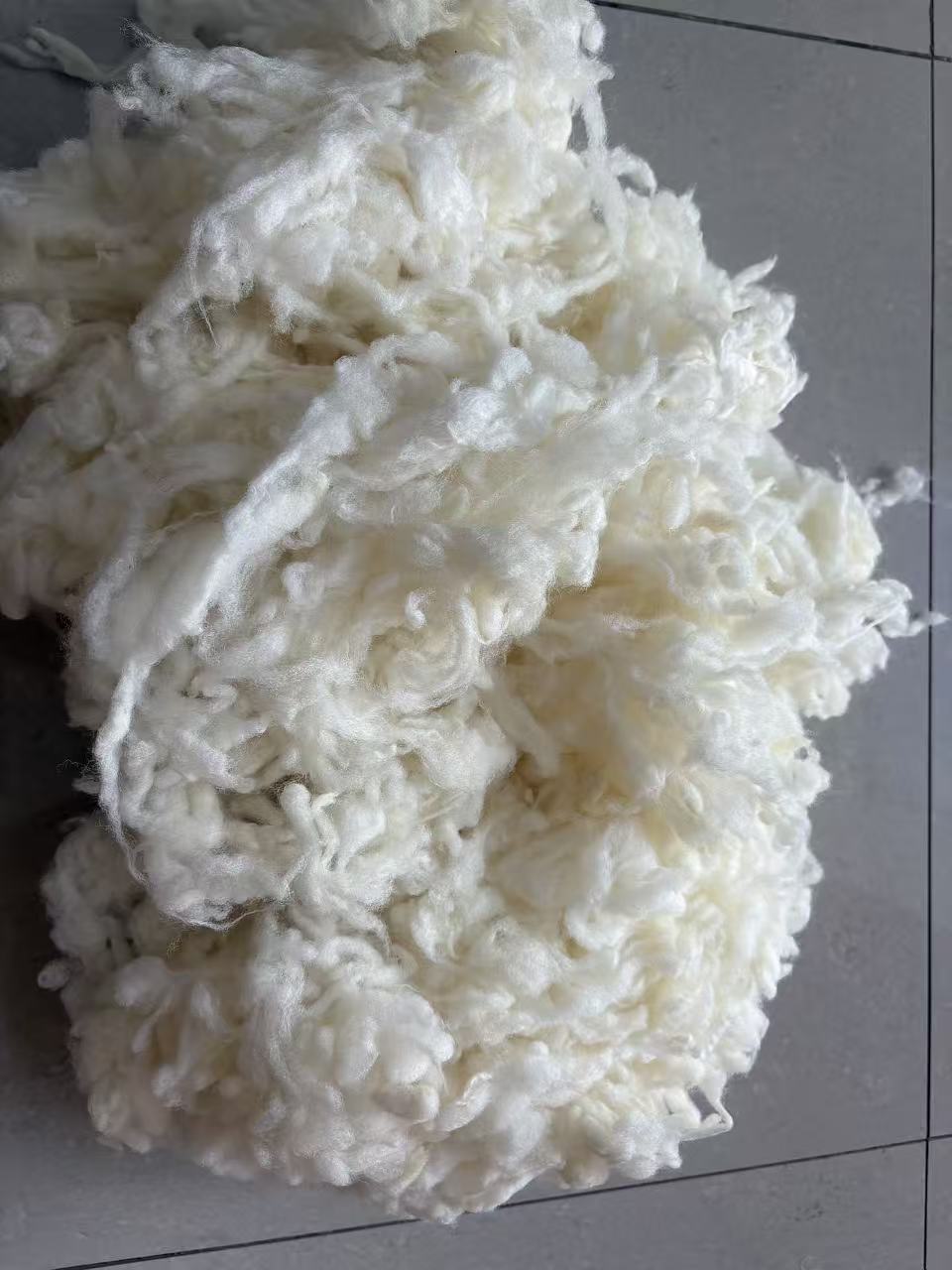
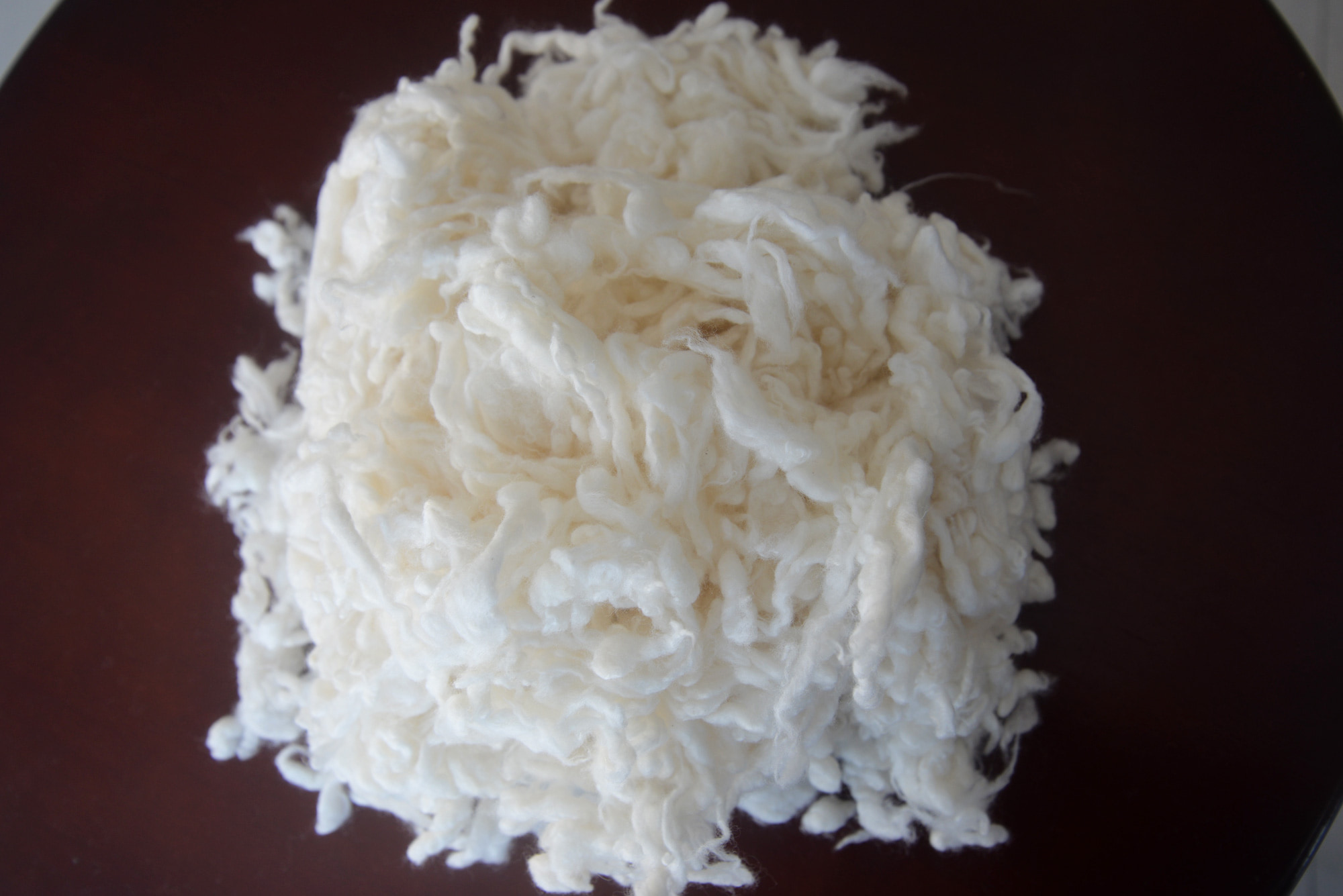
The result is exceptionally clean wool that retains its natural strength and softness and is free from the fiber damage that can occur with aggressive mechanical processing. For manufacturers producing premium textiles—from high-grade apparel to fine upholstery—wełna karbonizowana represents the gold standard in raw material preparation.
The Problem with Vegetable Matter in Raw Wool
Vegetable matter in raw wool is more than just a cosmetic issue. Plant fragments can:
Cause breakage: Burrs and seeds create weak points during spinning, leading to yarn breakage and production inefficiencies.
Create imperfections: Vegetable matter that remains in finished fabric results in visible specks, rough texture, and uneven dye uptake.
Harbor contaminants: Plant debris can carry dirt, bacteria, and moisture that compromise fiber quality.
Reduce yield: Removing VM through conventional methods often results in fiber loss, reducing the usable yield from each fleece.
For these reasons, effective VM removal is non-negotiable in quality wool processing. Zwęglona wełna addresses these challenges with exceptional efficiency.
The Carbonisation Process: How It Works
Understanding why wełna karbonizowana delivers superior results requires a look at the chemical carbonisation process itself. While variations exist depending on mill equipment and specific wool types, the core steps are consistent.
Step 1 – Scouring (Washing)
Raw wool, or greasy wool, contains lanolin, dirt, and sweat salts. Before carbonisation can occur, the wool must be thoroughly scoured to remove these contaminants. This typically involves washing in warm water with detergents and alkali to saponify the lanolin, followed by rinsing to produce clean wool known as scoured wool.
Step 2 – Acid Impregnation
The scoured wool is immersed in a dilute solution of sulfuric acid (typically 5–7% concentration). The acid is carefully controlled to penetrate the vegetable matter without saturating the wool fibers. Wool fibers have a natural resistance to acid due to their keratin structure, while cellulose-based plant matter readily absorbs the acid.
Step 3 – Baking (Carbonisation)
The acid-impregnated wool passes through a drying and baking oven, where temperatures are carefully controlled (typically 100–120°C). During this stage, the acid within the vegetable matter becomes concentrated as water evaporates. The acid chemically dehydrates the cellulose, breaking it down into a brittle, carbonized form—essentially transforming burrs and straw into black, friable charcoal.
Step 4 – Crushing and Dusting
Once the vegetable matter has been carbonised, the wool passes through a series of crushing rollers and shaking screens. The brittle carbonized plant fragments are crushed into fine dust and removed by suction or mechanical shaking, leaving behind only clean wool fibers.
Step 5 – Neutralization and Rinsing
To ensure no residual acid remains on the fibers, the wool undergoes a neutralization bath—typically with sodium carbonate or other mild alkali—followed by thorough rinsing. This step restores the wool to a neutral pH, ensuring no long-term degradation.
Step 6 – Drying and Baling
The finished wełna karbonizowana is dried, inspected for quality, and compressed into bales for shipment to spinning mills and textile manufacturers.
Why Carbonised Wool Outperforms Mechanical Carbonising
For decades, many wool processors relied on mechanical carbonising—a process that uses a series of rollers, beaters, and screens to physically crush and separate vegetable matter. While effective to a degree, mechanical carbonising has significant limitations that wełna karbonizowana overcomes.
| Cecha | Chemical Carbonised Wool | Mechanical Carbonising |
|---|---|---|
| Fiber Damage | Minimal; wool structure preserved | Moderate to high; fibers can be broken or weakened |
| VM Removal Efficiency | >98% removal; virtually all vegetable matter eliminated | 80–95% depending on VM type and size |
| Fiber Length Retention | Excellent; long fibers remain intact | Can shorten staple length due to mechanical action |
| Softness/Hand Feel | Superior; no mechanical abrasion | Can result in a harsher feel |
| Yield Loss | Low (typically 2–5% fiber loss) | Higher (5–15% fiber loss) |
| Suitable for Fine Wools | Yes, ideal for merino and fine fibers | Risk of damage to fine wools |
| Color | Naturally white/cream | May retain darker VM specks |
| Cost | Higher processing cost | Lower processing cost |
Analysis: For applications where fiber quality, purity, and softness are paramount, wełna karbonizowana justifies its higher processing cost through superior outcomes. For lower-grade applications where some VM remnants are acceptable, mechanical carbonising may suffice.
Key Benefits of Carbonised Wool
The advantages of wełna karbonizowana extend across the entire textile value chain—from spinners and weavers to brands and end consumers.
1. Superior Spinning Performance
Spinners consistently report fewer yarn breakages, reduced dust, and more consistent roving when working with wełna karbonizowana. The elimination of hard vegetable particles means fewer interruptions and higher machine efficiency.
Data point: Mills processing carbonised wool often report 20–30% fewer spinning stoppages compared to mechanically carbonised wool, translating directly to increased productivity and lower production costs.
2. Pristine Fabric Appearance
Fabrics woven from wełna karbonizowana exhibit a clean, uniform surface free from the dark specks or rough patches that can occur when residual vegetable matter remains. This is particularly critical for:
Light-colored wools: Where dark VM specks are highly visible.
Worsted suitings: Where a smooth, uniform surface is essential.
Fine knitwear: Where any imperfection is magnified.
3. Enhanced Dye Uniformity
Vegetable matter absorbs dye differently from wool. Even small remnants of burr or straw can create uneven color spots, known as “dye specks,” that ruin the appearance of finished goods. Zwęglona wełna, with virtually all VM removed, accepts dye uniformly, ensuring consistent, rich colors across entire production runs.
4. Superior Softness and Hand Feel
Because the carbonisation process does not subject wool fibers to the mechanical beating and crushing of conventional methods, the natural crimp, softness, and resilience of the wool are preserved. Fabrics made from wełna karbonizowana feel noticeably softer against the skin—a critical attribute for apparel, blankets, and luxury bedding.
5. Consistent Quality Across Batches
The chemical carbonisation process is highly controllable, allowing processors to achieve consistent results batch after batch. For brands requiring uniformity across large production volumes, this reliability is invaluable.
Applications of Carbonised Wool
The exceptional purity and softness of wełna karbonizowana make it the preferred choice for premium applications.
Apparel
Fine suiting: Worsted wool suits and trousers demand a clean, smooth surface free from imperfections.
Luxury knitwear: Cashmere-wool blends and fine-gauge merino sweaters.
Outerwear: High-quality wool coats and jackets where drape and finish matter.
Base layers: Merino wool performance wear where softness against skin is critical.
Tekstylia domowe
Wool blankets and throws: Where softness and visual purity enhance the luxury experience.
Upholstery: Premium furniture fabrics that must withstand wear while maintaining appearance.
Mattress ticking: Wool used in high-end bedding systems requires absolute cleanliness.
Technical Textiles
Filtration: Wool felt for industrial filtration requires consistent fiber quality.
Automotive interiors: Luxury vehicle seating and trim.
Aviation textiles: Premium aircraft upholstery where appearance and durability are non-negotiable.
Quality Metrics for Carbonised Wool
For manufacturers sourcing wełna karbonizowana, understanding key quality indicators ensures they receive material suited to their needs.
Zawartość substancji roślinnych
The most direct measure of carbonisation effectiveness is residual VM content. Premium wełna karbonizowana typically achieves VM levels below 0.1% by weight. For comparison, mechanically carbonised wool may contain 0.5–2% residual VM, depending on the original contamination level.
Fiber Length Distribution
Carbonisation should preserve staple length. Quality suppliers provide length distribution data, with minimal short-fiber content (typically less than 5% of fibers under 20mm for fine wools).
pH Value
Proper neutralization is essential. Finished wełna karbonizowana should have a pH between 6.0 and 7.5 (neutral to slightly acidic). Residual acidity can cause long-term fiber degradation and may affect subsequent dyeing processes.
Color and Brightness
Zwęglona wełna typically exhibits a clean, bright white to cream appearance. Yellowing or discoloration may indicate overheating during the baking stage or inadequate rinsing.
Sustainability Considerations
As textile manufacturers face increasing pressure to reduce environmental impact, the sustainability profile of wełna karbonizowana deserves attention.
Water and Chemical Use
Chemical carbonisation requires water for scouring, acid baths, and rinsing, as well as chemicals including sulfuric acid and neutralizers. However, modern facilities employ:
Water recycling systems that reclaim and reuse process water.
Acid recovery technologies that reduce chemical consumption.
Effluent treatment to neutralize pH before discharge.
Energy Consumption
The drying and baking stages are energy-intensive. Mills that utilize waste heat recovery and renewable energy sources can significantly reduce the carbon footprint of carbonised wool production.
Fiber Yield and Waste
Because wełna karbonizowana achieves higher fiber yields than mechanical carbonising (typically 2–5% fiber loss vs. 5–15%), it actually reduces the overall environmental impact per kilogram of usable wool. Less raw material is wasted, and the need for additional processing is minimized.
Biodegradability
Unlike synthetic fibers that persist in landfills, wełna karbonizowana remains fully biodegradable. The carbonisation process does not introduce any persistent chemicals that would inhibit natural decomposition.
Selecting a Carbonised Wool Supplier
For textile manufacturers, the choice of wełna karbonizowana supplier directly impacts final product quality. Consider these factors:
1. Traceability and Origin
Premium suppliers provide clear documentation of wool origin, including breed, region, and farming practices. Traceability supports both quality assurance and sustainability claims.
2. Process Control
Ask potential suppliers about their carbonisation process parameters—acid concentration, baking temperature and duration, neutralization methods. Consistent, well-documented processes yield consistent wool.
3. Testing Capabilities
Quality suppliers maintain in-house testing for VM content, fiber length, pH, and color. Request test reports for each batch to ensure specifications are met.
4. Certifications
Look for suppliers holding certifications such as:
OEKO-TEX® Standard 100: Ensures no harmful substances remain in the wool.
ISO 9001: Indicates robust quality management systems.
Responsible Wool Standard (RWS): Confirms ethical sourcing and animal welfare.
FAQ
1. Is carbonised wool safe for people with wool allergies?
Wool allergies are relatively rare and are often actually sensitivities to lanolin or residual processing chemicals. The carbonisation process thoroughly removes lanolin during scouring and neutralizes residual chemicals, making carbonised wool generally well-tolerated. However, individuals with confirmed wool allergies should consult with a dermatologist before prolonged skin contact.
2. Does carbonisation affect the natural properties of wool?
When properly executed, carbonisation preserves the desirable natural properties of wool—including breathability, moisture-wicking, elasticity, and natural flame resistance. The process targets only cellulose-based vegetable matter; the keratin structure of wool fibers remains intact.
3. How does carbonised wool compare to superwash wool?
These are two different processes serving different purposes. Zwęglona wełna removes vegetable matter; superwash wool undergoes a chemical treatment to prevent felting and shrinkage. Some high-quality wool products may utilize both carbonised wool and superwash treatments. Carbonisation does not affect the felting properties of wool.
4. Can all wool types be carbonised?
Most wool types can be carbonised, but the process is most commonly applied to fine wools (merino, Rambouillet) and medium wools (Corriedale, Polwarth) destined for apparel and premium textiles. Coarse wools intended for carpets or industrial applications are more often mechanically carbonised due to lower purity requirements.
5. Is carbonised wool more expensive than regular wool?
Yes, the additional processing steps—acid treatment, baking, neutralization, and the higher yield losses—result in a higher per-kilogram cost compared to mechanically carbonised or uncarbonised wool. However, for applications where purity, softness, and consistency are critical, the premium is justified by superior finished product quality and reduced manufacturing issues.
Conclusion: The Foundation of Premium Wool Textiles
In high-quality wool textiles, purity matters most. Carbonised wool helps achieve this by removing nearly all vegetable matter, while keeping the fibers’ natural strength, softness, and appearance intact. For spinners, this means fewer breaks and better efficiency. For weavers and knitters, it results in cleaner fabrics and more even dyeing. For brands and consumers, it translates to softer, cleaner-looking garments and home textiles that last longer.
As demands for quality and sustainability grow, carbonised wool plays a bigger role in premium textiles. It’s more than a processing step—it reflects a dedication to quality starting from the fiber all the way to the final product.
Ready to elevate your wool textile production? Contact our wool sourcing team today for premium carbonised wool from traceable, responsible sources—backed by full testing documentation and technical support.