Abstract:
Superwash wool refers to wool fibers that have been chemically or mechanically treated to prevent felting and shrinkage during washing.
According to technical standards published by The Woolmark Company, superwash processes modify or coat the microscopic scale structure of wool fibers, allowing garments to be machine-washed without significant dimensional change.
Research in textile chemistry, including studies archived in the Textile Institute journals, explains that untreated wool fibers interlock during agitation due to their natural cuticle scales, which leads to shrinkage and fabric densification.
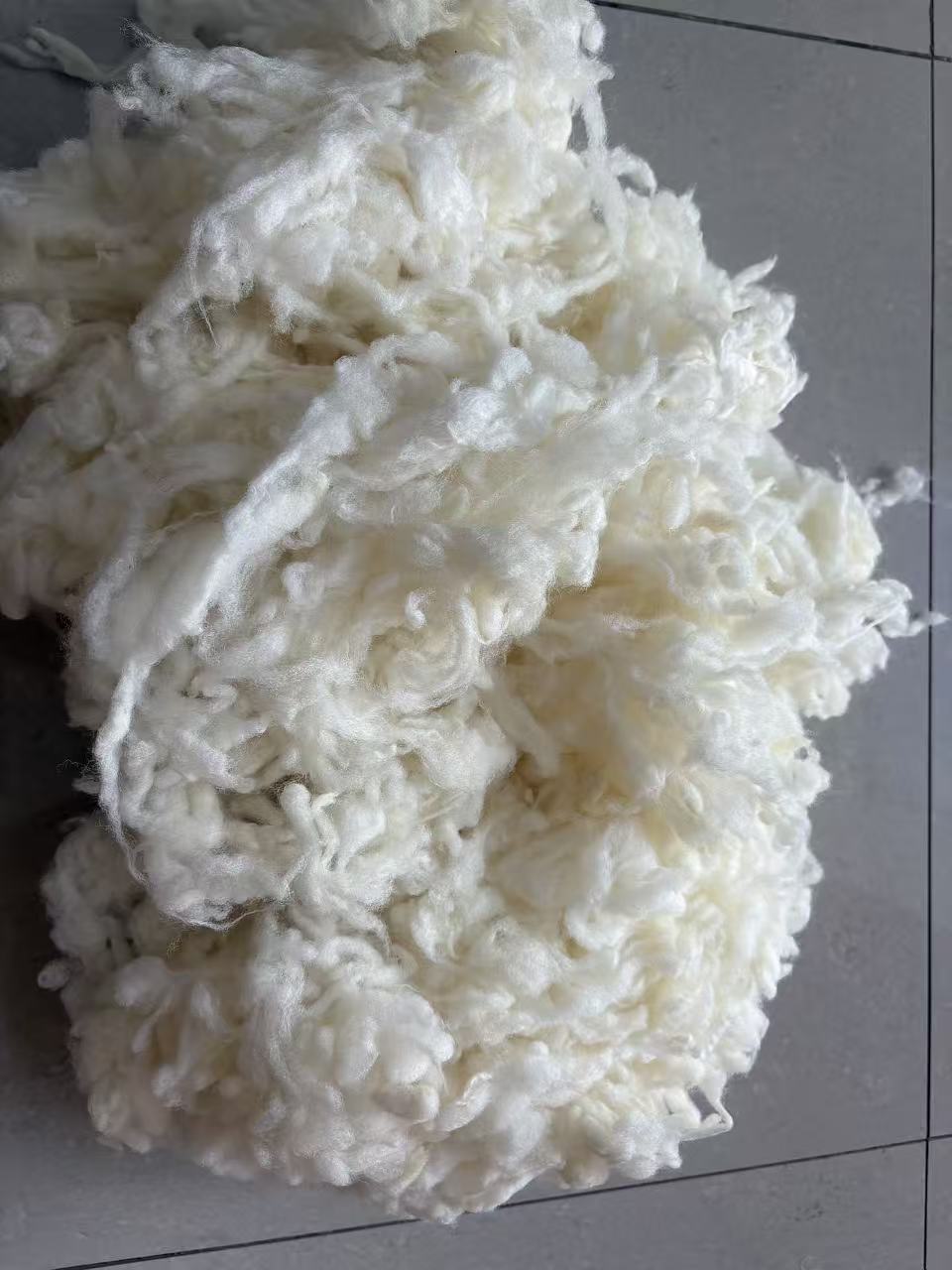
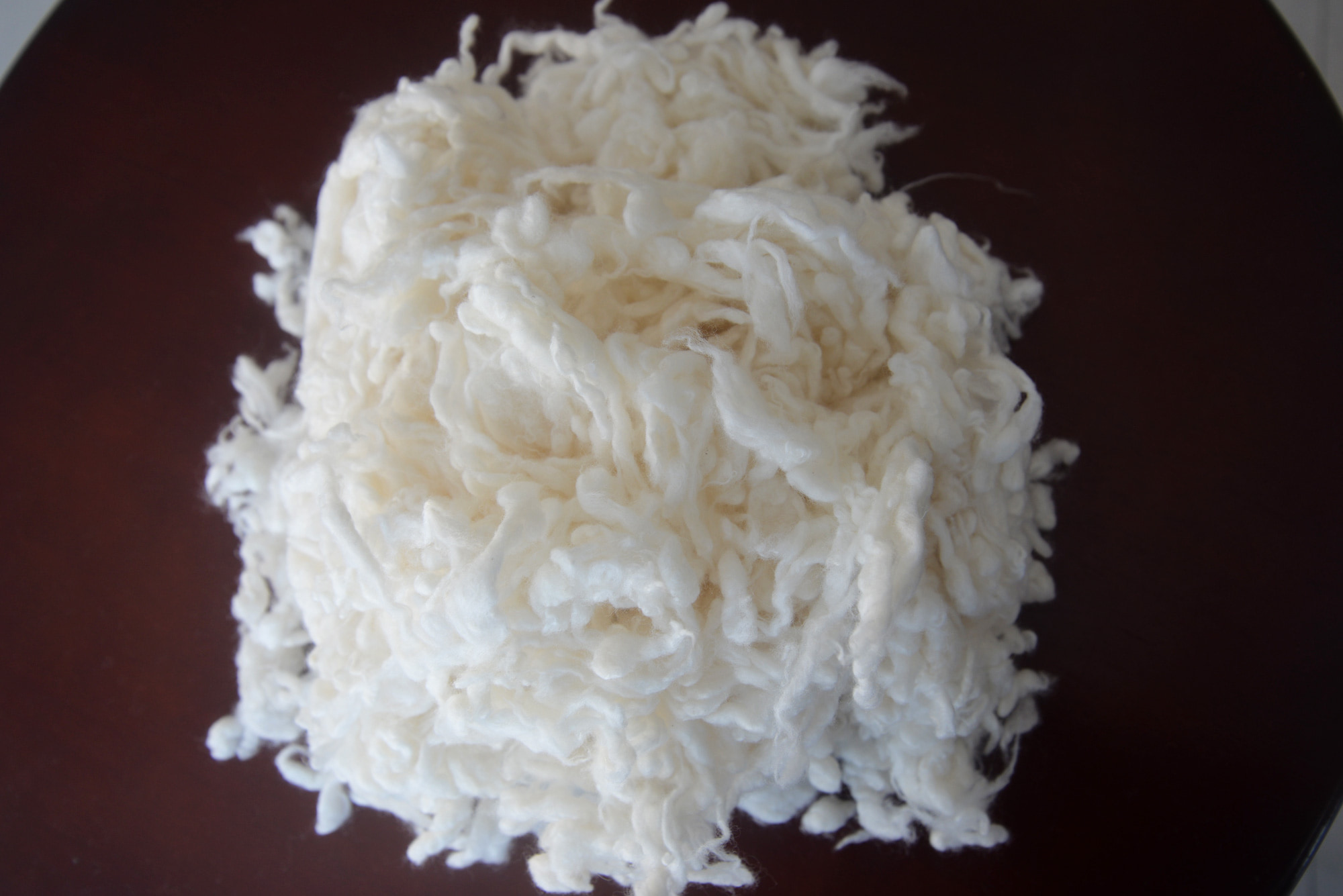
This comprehensive guide explores the science behind Lã Carbonizada Superwash, the role of carbonising in wool purification, the environmental and tactile implications of superwash treatment, and whether superwash wool is itchy compared to untreated wool.
By integrating fiber morphology analysis, finishing technology insights, sustainability considerations, and industry testing data, supporting both B2B textile buyers and informed consumers.
Understanding the Structure of Wool Fiber
To understand superwash wool, it is essential to first examine the structure of raw wool fibers. Wool fibers possess a unique surface morphology characterized by overlapping cuticle scales.
These microscopic scales create directional friction: fibers resist movement in one direction but interlock easily in the opposite direction. When exposed to heat, moisture, and mechanical agitation, these scales hook together, causing felting shrinkage.
Internally, wool consists of:
- Cuticle (outer protective scale layer)
- Cortex (protein-rich structural core)
- Medulla (in some coarse fibers)
Keratin protein, rich in cystine disulfide bonds, provides elasticity and resilience. However, this same structure contributes to felting behavior.
Untreated wool fabrics shrink because scale interlocking creates irreversible fiber entanglement. Superwash technology modifies this scale behavior.
What Does Superwash Wool Mean?
Superwash wool undergoes a finishing process that reduces or neutralizes scale friction. There are two primary industrial methods:
- Chlorination + Polymer Coating (Traditional Superwash)
- Plasma or Enzyme-Based Treatments (Modern Eco Alternatives)
In the traditional process, chlorine treatment partially removes or smooths the scale edges. A polymer resin coating is then applied to encapsulate the fiber, preventing scale interlocking.
In modern eco-friendly approaches, low-impact plasma treatments alter the fiber surface energy without heavy chemical discharge.
Superwash wool, therefore, means wool that is:
- Lavável à máquina
- Resistant to felting shrinkage
- Dimensionally stable
- Softer in hand feel
What Is Carbonised Wool Superwash?
Before wool is treated for superwash properties, it often undergoes carbonising, particularly when derived from raw fleece containing vegetable matter (burrs, seeds, straw).
Carbonising is a purification process in which wool is treated with dilute sulfuric acid, dried, and heated. The acid carbonizes plant-based impurities, making them brittle and removable without damaging protein fibers.
When lã carbonizada then undergoes superwash treatment, it becomes Carbonised Wool Superwash—a premium-grade fiber that has:
- Removed vegetable contamination
- Enhanced surface uniformity
- Reduced felting tendency
- Improved dye absorption consistency
This dual-process treatment is common in high-quality knitting yarns and performance wool textiles.
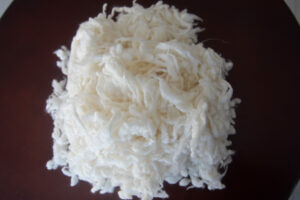
Comparison Between Untreated Wool, Superwash Wool, and Carbonised Wool Superwash
| Caraterística | Untreated Wool | Lã Superwash | Lã Carbonizada Superwash |
| Felting Resistance | Baixa | Elevado | Very High |
| Machine Washable | Não | Sim | Sim |
| Surface Smoothness | Natural Scales | Polymer-Coated | Refined + Coated |
| Dye Uniformity | Moderado | Elevado | Very High |
| Vegetable Impurities | Possible | Possible | Removed |
| Softness | Variável | Softer | Soft + Uniform |
Carbonised Wool Superwash provides superior consistency for industrial-scale textile production.
Is Superwash Wool Itchy?
The itchiness of wool depends primarily on fiber diameter (measured in microns), not merely treatment type.
Fine merino wool (<20 microns) is generally soft and non-itchy.
Coarser wool (>30 microns) can feel prickly.
Superwash treatment can slightly smooth the fiber surface, reducing friction against skin. Polymer coatings create a smoother tactile profile, often making superwash wool feel softer than untreated wool of the same micron grade.
However, itchiness may still occur if:
- Fiber diameter is coarse
- Fabric construction is tight and abrasive
- Individual skin sensitivity is high
Therefore, superwash wool is not inherently itchy. In many cases, it is less itchy than untreated wool.
The Role of Fiber Diameter in Comfort
Fiber fineness is the primary determinant of prickle sensation. When fiber ends exceed approximately 30 microns, they are stiff enough to resist bending upon skin contact, triggering nerve receptors.
Superwash treatment does not change fiber diameter. However, it can:
- Reduce surface roughness
- Improve yarn uniformity
- Enhance drape
Fine Carbonised Wool Superwash yarns, especially merino-based, are typically comfortable for next-to-skin garments.
Performance Advantages of Carbonised Wool Superwash
From an industrial perspective, Carbonised Wool Superwash offers several advantages:
- Improved spinning efficiency
- Reduced yarn breakage
- Enhanced dye consistency
- Better wash durability
Manufacturers prefer carbonised wool because vegetable residues can interfere with carding, combing, and spinning processes.
Mechanical and Performance Properties
| Imóveis | Untreated Wool | Lã Carbonizada Superwash |
| Shrinkage After Wash | 8–20% | <3% |
| Resistência ao Pilling | Moderado | Elevado |
| Dye Penetration | Variável | Uniforme |
| Abrasion Resistance | Moderado | Elevado |
| Production Yield | Lower | Higher |
Lower shrinkage rates significantly increase garment longevity.
Considerações ambientais
Traditional chlorination processes generate adsorbable organic halides (AOX), raising environmental concerns. Modern superwash processes aim to reduce chlorine discharge and adopt enzyme or plasma technology.
Sustainability trends emphasize:
- Low-impact finishing
- Water recycling
- Biodegradable polymer coatings
Carbonising itself involves acid use, but advanced facilities neutralize and treat effluent responsibly.
Superwash Wool vs Regular Wool in Garments
Superwash wool is commonly used in:
- Knitwear
- Socks
- Baby garments
- Activewear base layers
Untreated wool remains preferred for:
- Traditional felting crafts
- High-end tailoring fabrics
- Rugs and heavy textiles
For consumers seeking low-maintenance wool clothing, superwash is generally more practical.
Durability and Long-Term Wear
Polymer-coated superwash wool can slightly reduce natural elasticity compared to untreated wool. However, modern formulations minimize this effect.
Carbonised Wool Superwash often demonstrates improved uniformity, reducing weak points in yarn structure.
Consumer Use Case Comparison
| Use Case | Recommended Type | Reason |
| Machine-Wash Sweaters | Lã Carbonizada Superwash | Easy care + consistency |
| Outdoor Base Layers | Superwash Merino | Moisture regulation |
| Craft Felting | Untreated Wool | Needed for shrinkage |
| Luxury Tailoring | Untreated Fine Wool | Natural hand feel |
Industry Perspective: Why Carbonised Wool Superwash Matters?
For textile manufacturers and yarn suppliers, Carbonised Wool Superwash ensures production reliability. Vegetable contamination can damage machinery and cause dye irregularities.
By removing impurities and stabilizing the fiber surface, manufacturers achieve:
- Higher batch consistency
- Reduced quality complaints
- Lower return rates
- Improved brand reputation
These benefits extend beyond consumer convenience to operational efficiency.
FAQ: Carbonised Wool Superwash
- What does superwash wool mean?
It means the wool has been treated to resist felting and shrinkage, allowing machine washing.
- Is superwash wool itchy?
Not inherently. Itchiness depends mainly on fiber diameter, not treatment type.
- What is carbonised wool?
Carbonised wool has undergone acid treatment to remove vegetable impurities before further processing.
- Is Carbonised Wool Superwash environmentally friendly?
Modern processes reduce environmental impact, but traditional chlorine methods require careful wastewater management.
- Does superwash wool last as long as untreated wool?
Yes, when properly manufactured. It may even resist shrinkage damage better.
- Can superwash wool be felted?
No, its treatment prevents scale interlocking necessary for felting.
Conclusão
Carbonised Wool Superwash represents a technologically refined evolution of traditional wool. By combining impurity removal with anti-felting surface modification, it offers superior wash stability, consistent dyeing, and enhanced softness.
While itchiness depends largely on fiber fineness, superwash treatment often improves tactile comfort rather than diminishing it.
For manufacturers, it ensures production efficiency and reliability. For consumers, it delivers convenience without sacrificing the natural benefits of wool.
When evaluated through fiber science, environmental impact, and performance metrics, Carbonised Wool Superwash stands as one of the most practical and technically advanced wool treatments available today.