
Article Abstract:
Many people consider шерсть to be an effective insulation material for winter, but modern consumers still question whether or not 100% wool fabric is warm enough for modern winter conditions.
This article provides a comprehensive, science-based description of the thermal performance of wool, drawing on research from textile engineering and other sources that are authoritative, such as Textiles: Fiber to fabric by Corbman, Physical Properties of Textile Fibres by Morton & Hearle, and studies from The Woolmark Company.
Through the examination of fiber composition, moisture management, heat retention properties, and the performance of real-world garments, this guide elucidates the reasons for the continued popularity of wool fabric in the wintertime, while also clarifying its limitations and most beneficial scenarios.
Introduction: Why the Question “Is 100% Wool Warm?” Still Matters?
Despite the rapid evolution of synthetic insulation and textile performance, wool continues to have a significant role in winter apparel, residential textiles, and technical clothing.
From overcoats that are luxurious and knitted to layers that are base and outdoor, wool is typically touted as being naturally warm, but consumer confusion is still present. Some people consider wool to be warm, while others believe that itchy or lacking in cold weather, it is too thin.
The fundamental issue is not whether or not wool is temperature-supporting in theory, but rather how and why wool provides warmth, and under what conditions it optimal to use 100% wool fabric over other forms of fabric or synthetic fibers.
This article addresses the lack of insulation properties in wool via a material science lens, while also relating technical terms to practical advice on buying and utilizing the material.
What Does “Warmth” Mean in Textile Science?
Warmth in textiles is not simply determined by the thickness or weight of the fabric. In textile engineering, the amount of warmth is primarily derived from the thermal insulation of the fabric, which is the capacity of the fabric to slow the transfer of heat from the human body to the surrounding environment.
Three mechanisms for transferring heat are important:
- Conduction: Direct thermal loss via direct contact.
- Convection: The loss of heat via motionless air.
- Infrared: The body’s infrared heat emission.
A successful winter fabric should reduce the three. The wool fabric’s exceptional properties are not derived from its ability to block heat, but instead from its capacity to trap air, regulate moisture, and maintain insulation in the presence of water.
The Unique Fiber Structure of Wool Fabric
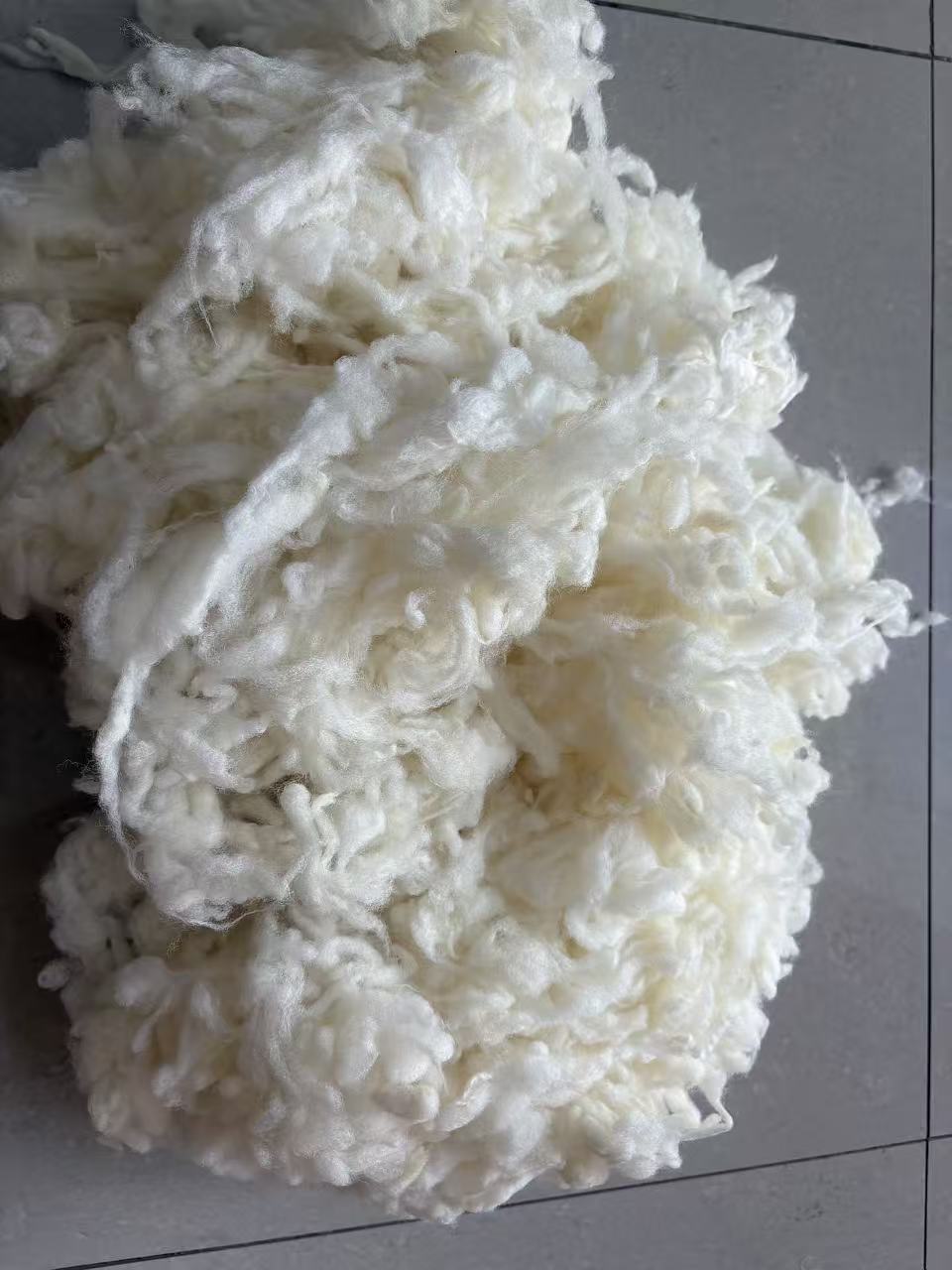
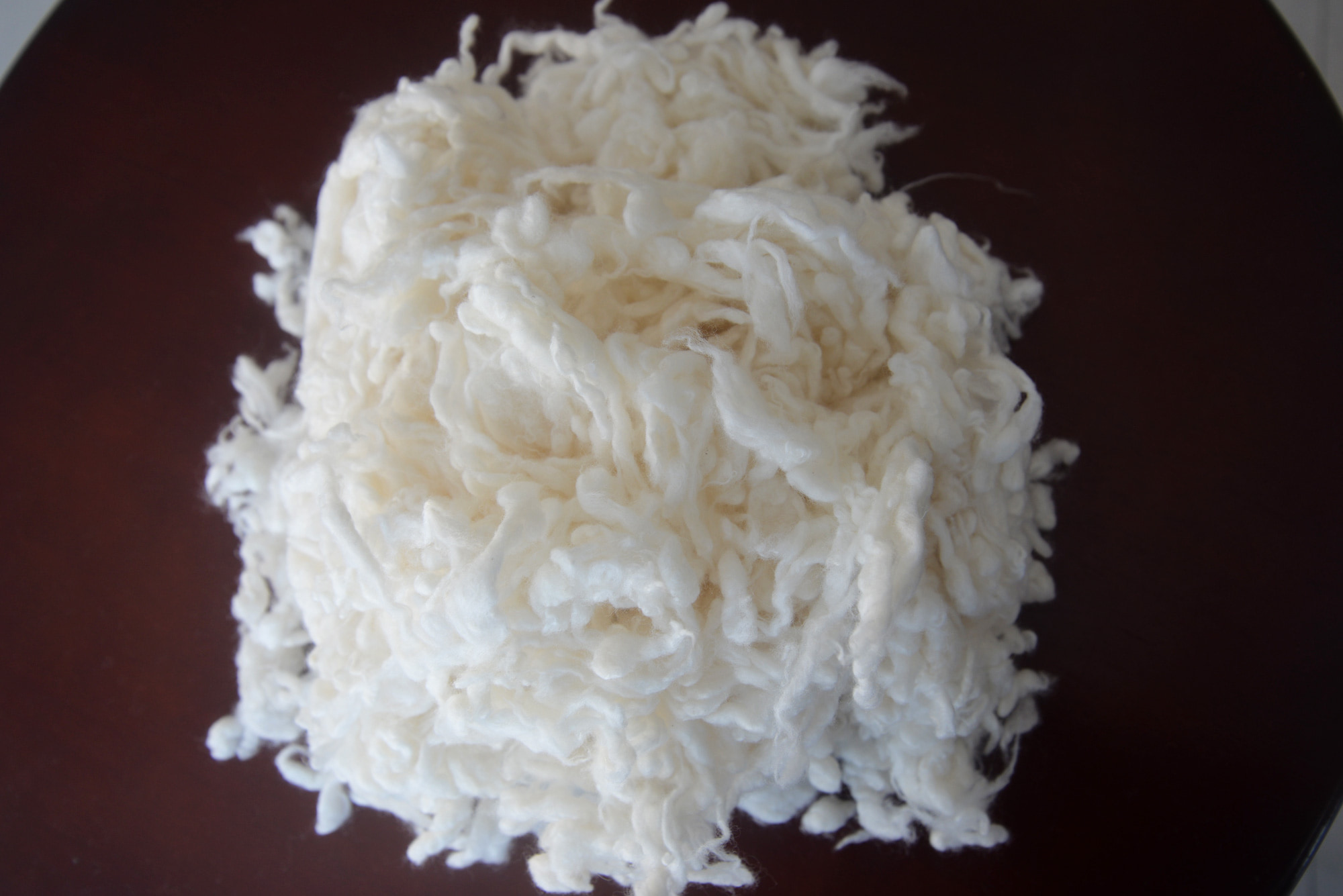
The thermal efficiency of wool is at the microscopic level. Smooth synthetic fibers have a flattened, three-dimensional composition. Every fiber is naturally curled and spun, which creates small pockets of still air when woven into fabric or knitted into a fabric.
Air is unable to conduct heat. By imprisoning the air in the fabric’s structure, wool creates a natural insulation layer that reduces the loss of heat without necessitating an excessive thickness.
Additionally, wool’s fibers are composed of keratin, a protein that is inherently malleable and reusable. This facilitates the conservation of wool’s loft, as well as the resistance to the flattening that is present in other materials.
Why 100% Wool Retains Heat Better Than Many Blends?
Blended fabrics often dilute the structural advantages of pure wool. While blends can improve softness or durability, they may reduce thermal efficiency.
| Fabric Type | Air Trapping Ability | Moisture Regulation | Winter Warmth |
| 100% Wool Fabric | Превосходно | Превосходно | Высокий |
| Wool-Polyester Blend | Умеренный | Умеренный | Средний |
| 100% Polyester | Low–Moderate | Низкий | Переменная |
In 100% wool fabric, the full crimp and natural elasticity of the fibers remain intact, maximizing air retention. Synthetic fibers, by contrast, are typically smoother and straighter, reducing the volume of trapped air unless heavily engineered.
Moisture Management: Wool’s Hidden Thermal Advantage
One of the most important, yet misunderstood, properties of wool is its capacity to soak up moisture without becoming wet. The wool fibers can hold up to 30% of their weight in water vapor, while still being dry to the touch.
This trait has a significant impact on winter temperature:
- Moisture excreted by the skin is taken up by the fiber’s core.
- The outer layer is still mostly dry.
- The insulation properties are maintained.
In contrast, many synthetic textiles are built to store moisture between the fabric and the skin; this causes the heat to be lost when the fabric is damp. The wool fabric continues to provide insulation in humid or cold environments that are typically associated with the poles, which is why it has long favored for use in cold climates.
Heat Generation Through Moisture Absorption
A less common phenomenon is the absorption of wool’s excess heat. When wool interacts with water vapor, a small amount of heat is released due to the molecular composition of the fiber. While imperceptible, this process nevertheless contributes to the perception of comfort, particularly during activity in cold environments.
This property is absent in the majority of synthetic fibers and partially accounts for the fact that wool clothing is often perceived as being warmer than the thickness of the fabric suggests.
Wool Fabric Weight and Warmth: GSM Matters
Not all wool fabrics are equally warm. Fabric weight, commonly measured in grams per square meter (GSM), significantly affects insulation.
| Wool Fabric Weight | Типичное использование | Winter Warmth Level |
| 150–200 GSM | Base layers, light knits | Mild winter |
| 250–350 GSM | Sweaters, suits | Moderate winter |
| 400+ GSM | Coats, blankets | Cold to extreme winter |
A lightweight 100% wool fabric may not feel warm in harsh winter conditions, not because wool is ineffective, but because insufficient material is present to trap enough air.
Knitted vs Woven Wool Fabric in Winter
The fabric’s construction also has an effect on warmth. Knitted wool fabric generally has a higher insulation than woven fabric of the same weight that is knitted.
Knitted wool increases the volume of air and improves the elasticity.
Woven wool has a propensity to resist wind, but it has a limited loft.
This is why wool sweaters are often perceived as being warmer than other wool fabric, even when the fiber composition is identical.
Wind Resistance: Where Wool Excels and Falls Short
While wool fabric is effective at insulating, it is not inherently resistant to wind. The air permeability of a fabric is affected by the density of the weave and the final treatment. In adverse winds, the loss of heat can increase unless the clothing has extra features:
- More compact
- Felted or boiled wool
- Overlapping with a shell that is resistant to wind
This restriction explains the modern popularity of winter systems that include wool at the base or middle of the layer.
Comparing Wool Fabric to Modern Synthetic Insulation
Insulation materials like polyester fabric or microfiber filling are designed to replicate the wool’s air-causing properties. However, they typically require chemical treatments or complex fiber structures that will degrade over time.
The wool fabric’s benefits include:
- Constant insulation duration
- Lower odor retention
- Natural fire barrier
Simulated fibers may have a superior performance in extreme cold to weight ratios, but they typically sacrifice breathability and sustainability in favor of the synthetic fibers.
Comfort, Skin Sensation, and Perceived Warmth
Perceived temperature is influenced by both insulation and thermal comfort. Wool controls the temperature of a broad spectrum, preventing overheating during activity and cooling during rest.
Modern processing of wool has greatly reduced the coarseness of the fiber, which has made it easy to breathe in comfortable, high-quality fabric. This is ideal for sensitive skin. The diameter of fibers, which is measured in microns, has a significant role.
- Fine wool (less than 19 microns): soft, next to the skin’s comfort.
- Medium wool (20-24 microns): coats and sweaters
- Fine wool (>125 microns): carpets, upholstery, heavy clothing
Sustainability and Long-Term Performance
- Recyclable and Biorecyclable Resource
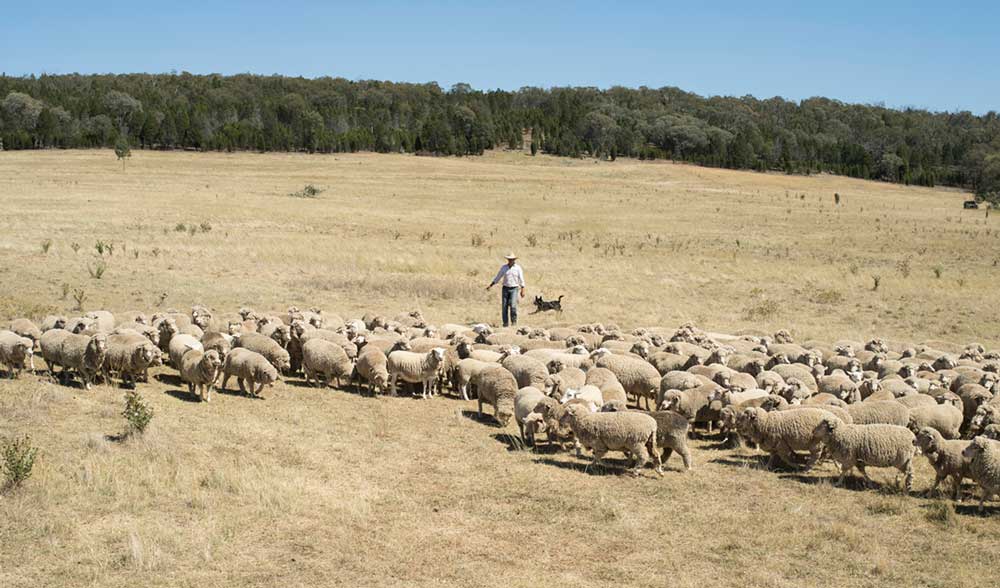
Wool is a natural, repetitive fiber that is produced every year on sheep.
totalmente biodegradable in natural conditions.
This contrasts with synthetic fibers derived from petroleum.
- Robustness and longer Product Lifespan
The wool’s fibers are inherently resistant:
- Creasing
- Smell accumulation
- Abrasion
As such:
Wool clothing is more likely to maintain its shape and performance over time.
The number of cycles needed to replace parts is decreased
Longevity directly affects the sustainability of metrics.
- Lowered Impact of Care
Wool’s requirements include:
- Less frequent cleaning
- Lower temperatures for washing
This results inish:
- Reduced water usage
- Reduced energy expenditure over the product’s lifespan
- Circle of Life compatibility
Advantages include its reusable nature, low cost, and environmental friendliness
Increasing the proportion of wool that is responsibly sourced and certified (e.g., RWS).
The performance of long-term projects is supportive of circular business models.
Common Misconceptions About Wool Warmth
Misconception 1: It is always warmer with more wool.
Reality:
Warmth is more dependent on fiber crunch, air retention, and fabric composition than on sheer thickness alone.
Fine Merino wool has a superiority over thicker general purpose wool.
Air trapped in the fiber’s structure is the primary mechanism for insulating.
The fabric’s construction is as important as its weight.
Falsehood 2: Only the wool fabricates in cold weather.
Reality:
Wool is not only a fiber that regulates the temperature, but it is also a winter ingredient.
Absorbs the moisture in the air without being soaked.
Release heat in a controlled manner to avoid overheating.
Wool is effective in both temperate and tropical climates, it is also effective in activewear and all-season clothing.
Misconception 3: The Wool Dries out when wet.
Reality:
Unlike other fibers, wool still possesses insulating properties when wet.
Can hold up to 30% of its weight in water
Preserves the loft and the heat it contains in humid or wet conditions.
This infers that wool is ideal for use in outdoors, employment, and performance.
Misconception 04: All fabric types that are made from wool feel itchy and heavy.
Reality:
The diameter of fibers and the way they are processed affects the comfort.
Fine wool (e.g., Merino) is wrinkled and has a lightweight and soft texture.
Modern methods of finishing reduce the skin’s irritation greatly.
Comfort is a quality that is also a problem with wool, not a flaw that is inherent to the animal.
FAQ: Wool Fabric and Winter Warmth
Q1: Is 100% wool warm enough for freezing temperatures?
Yes, when appropriately weighted and layered, 100% wool fabric provides excellent insulation in freezing conditions.
Q2: Does wool keep you warm when wet?
Wool retains significant insulating capacity when damp, unlike most synthetic fabrics.
Q3: Is wool warmer than down?
Down offers superior warmth-to-weight in extreme cold, but wool performs better in variable and humid conditions.
Q4: Why do some wool garments feel cold?
Lightweight or loosely woven wool fabrics allow heat loss, especially in the wind.
Q5: Is blended wool less warm than pure wool?
Blends often reduce wool’s natural insulation unless specifically engineered for thermal performance.
Conclusion: Is 100% Wool Warm for Winter?
From a fabric science perspective that takes into account real-world performance, 100% wool fabric is undoubtedly warm for the winter season, provided it is employed in appropriate quantities, constructed in a proper way, and designed in a proper manner.
The wool’s compacted fiber structure, moisture-regulating abilities, and long-term insulation stability all contribute to its popularity as a natural material for cold-weather clothing.
Instead of evaluating if wool is warm, the more accurate question is how the wool is produced, finished, and applied. When these factors are combined, wool continues to be relevant as well as superior for winter clothing in 2026 and beyond.