
Abstract
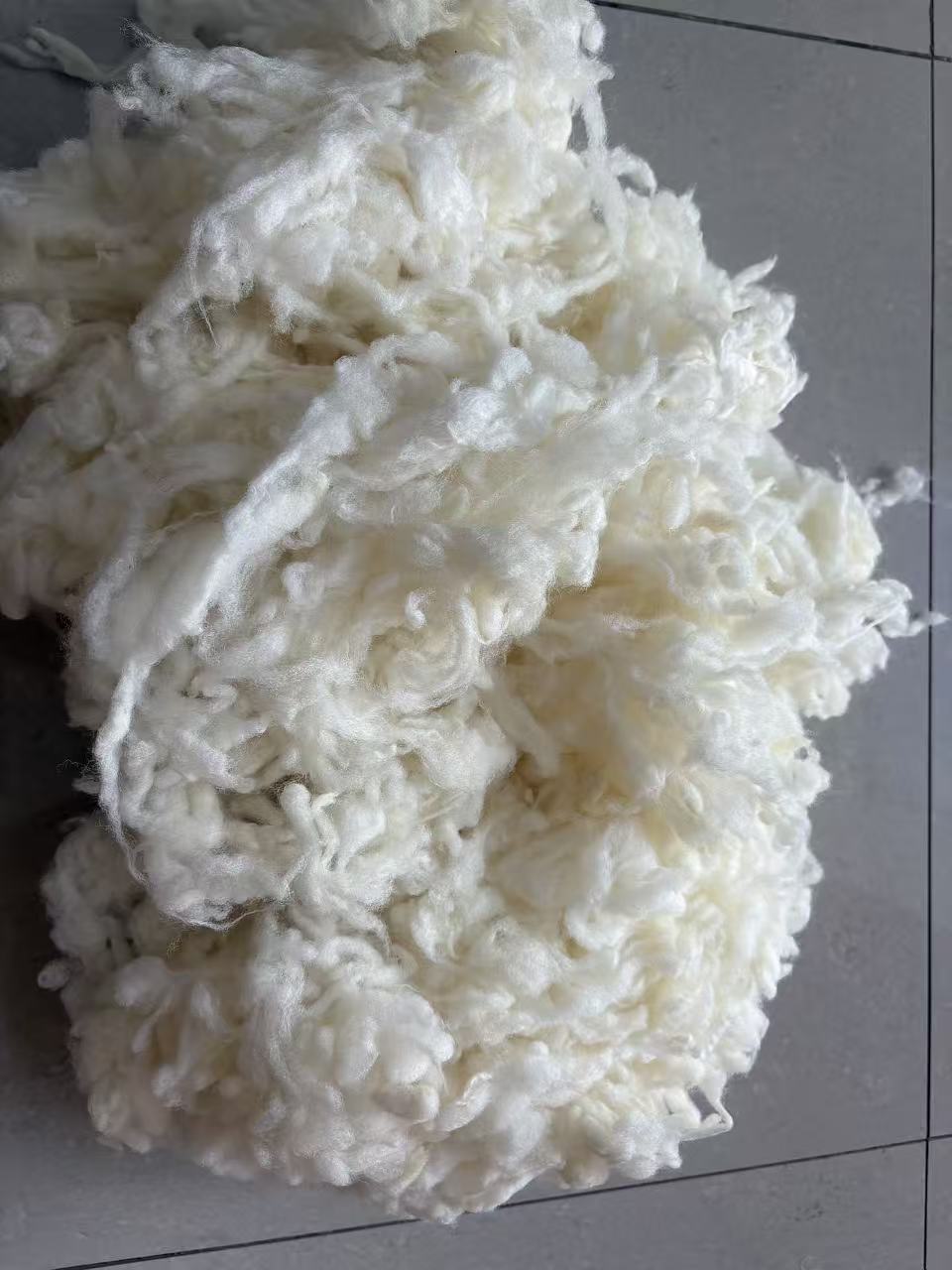
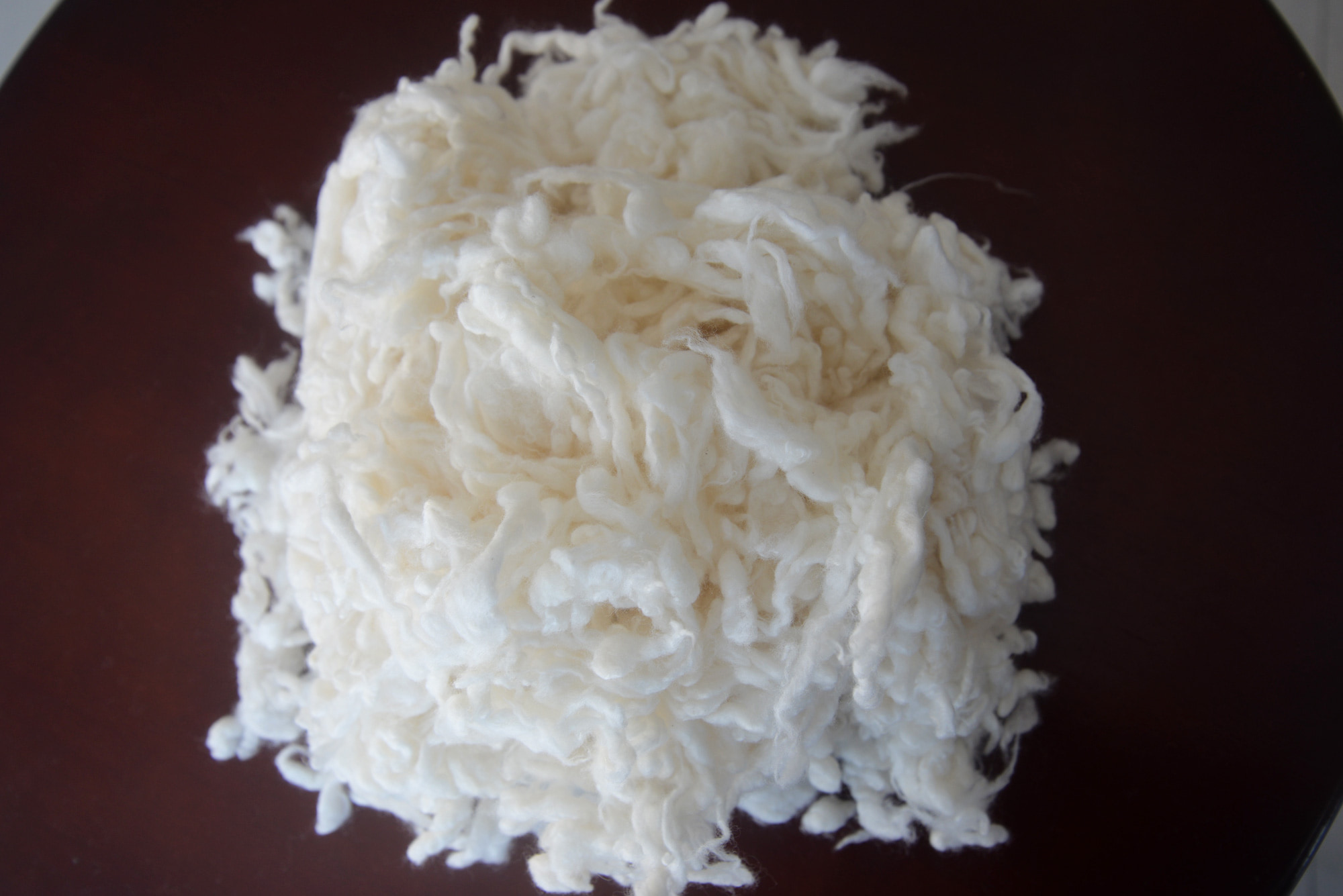
This comprehensive guide explores the hierarchy of wool quality in the textile industry, examining fiber characteristics, grading standards, and sourcing criteria that define premium wool fabric.
Designed for B2B procurement professionals, manufacturers, and textile specialists, this article provides technical insights into wool classification systems, performance metrics, and commercial applications to inform strategic sourcing decisions.
Understanding wool quality parameters—from micron measurements to certification standards—enables buyers to optimize material selection for specific applications while ensuring compliance with international trade specifications and sustainability requirements.
Understanding Wool Quality Classification Systems
International Wool Grading Standards
The International Wool Textile Organisation (IWTO) establishes the primary classification framework used in global wool commerce. This system categorizes wool through objective measurement protocols, with fiber diameter (measured in microns) serving as the principal quality determinant. IWTO standards define testing methodologies, including IWTO-12 for fiber diameter measurement and IWTO-28 for staple length assessment.
The micron count system provides precise numerical classification: ultrafine wool measures below 15.5 microns, superfine ranges from 15.5-18.5 microns, fine spans 18.6-21.5 microns, and medium grades fall between 21.6-24.5 microns. Each micron reduction correlates with exponential price increases—superfine Merino commands premiums of 40-60% over medium-grade wool in wholesale markets.
The Bradford Count system, still referenced in legacy contracts, uses an inverse numerical scale where higher numbers indicate finer fibers. A Bradford Count of 80s corresponds to approximately 19.5 microns, while 100s equals roughly 16.5 microns. Modern procurement increasingly favors direct micron measurement for transparency, though Bradford terminology persists in traditional wool-producing regions, including the UK and parts of Australia.
Fiber Diameter and Quality Correlation
Micron measurement directly influences fabric hand-feel, drape characteristics, and end-use suitability. The 15-25μm range encompasses commercial wool grades, with each micron interval affecting textile performance. Fibers below 18 microns exhibit superior softness, making them ideal for next-to-skin garments, while 20-22 micron wool balances durability with comfort for suiting applications.
Laboratory testing via Optical Fiber Diameter Analyzer (OFDA) or Airflow methods provides coefficient of variation (CV) data—premium lots maintain CV below 19%, indicating uniform fiber diameter distribution. This consistency reduces processing waste during spinning and improves dye uptake uniformity. Commercial-grade wool with a CV above 24% typically experiences 8-12% higher rejection rates during quality-sensitive manufacturing.
The relationship between fineness and crimp frequency further differentiates quality tiers. Superfine Merino exhibits 10-14 crimps per inch, creating natural elasticity and resilience. This structural characteristic enhances fabric recovery after compression, reducing wrinkle formation—a critical specification for performance apparel and luxury suiting where appearance retention justifies premium pricing.
Premium Wool Types and Their Characteristics
Merino Wool: The Gold Standard
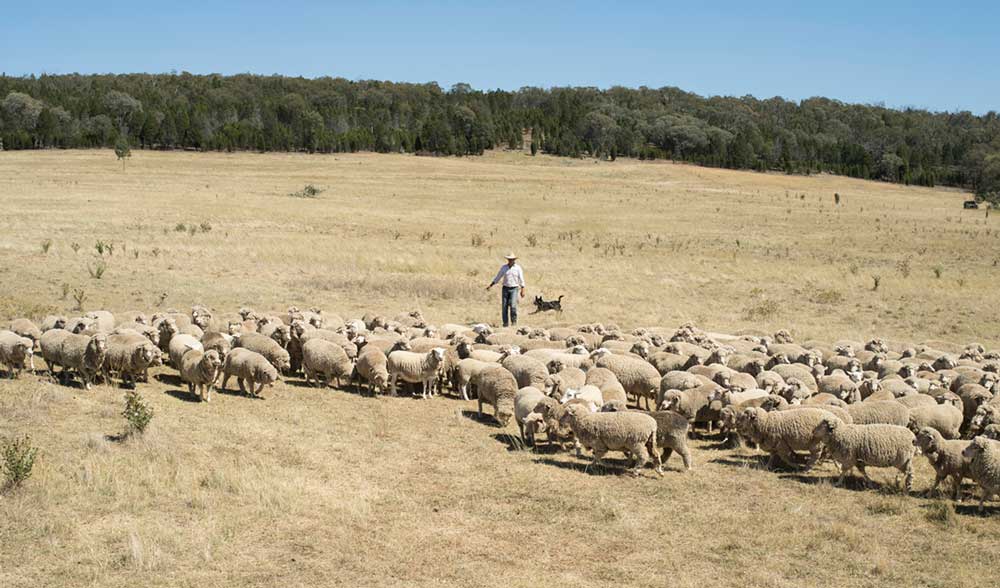
Australian and New Zealand Merino wool dominates the premium segment, with superfine grades (17.5μm and below) representing approximately 7% of global Merino production. These fibers originate from specialized breeding programs in Tasmania’s Midlands region and New Zealand’s Canterbury Plains, where climate conditions produce exceptionally fine fleece.
Ultrafine Merino (13-15 microns) serves luxury knitwear and high-performance base layers, commanding USD $80-120 per kilogram in raw fiber markets. These grades require specific shearing protocols to maintain staple integrity—typically 10-12 month growth cycles versus 6-8 months for standard grades. The extended growth period produces longer staples (75-95mm) with superior tensile strength, reducing fiber breakage during worsted spinning processes.
ZQ-certified New Zealand Merino incorporates environmental and animal welfare standards into quality verification, providing supply chain traceability through DNA marking systems. This certification carries particular value in European and North American markets where regulatory compliance increasingly influences procurement decisions. Manufacturers targeting premium retail channels often specify ZQ or Responsible Wool Standard (RWS) certification as baseline requirements.
Specialty Wool Varieties
Cashmere wool, harvested from the undercoat of Capra hircus goats, measures 14-19 microns with exceptional softness but limited staple length (28-40mm). This short fiber length necessitates specialized spinning techniques and contributes to higher manufacturing costs—finished cashmere fabric typically costs 4-6 times equivalent Merino products. Commercial cashmere quality varies significantly by origin: Mongolian cashmere (15.5 micron average) commands premiums over Chinese-processed grades (17-18 microns).
Vicuña wool represents the rarest commercial fiber, measuring 12-13 microns with annual global production under 10,000 kilograms. Peruvian government regulations restrict harvesting to sustainable quotas, resulting in raw fiber prices exceeding USD $400 per kilogram. Its commercial application remains limited to ultra-luxury markets where fabric costs of $2,000-4,000 per meter are commercially viable.
Alpaca wool offers unique characteristics in the 18-25 micron range, with hollow fiber structure providing superior thermal insulation at lighter fabric weights. Baby alpaca (under 22 microns) competes with fine Merino in softness while offering hypoallergenic properties due to the absence of lanolin content. This positions alpaca strategically for technical outdoor apparel and medical textile applications.
Wool Quality Comparison Matrix
| Wool Type | Micron Range | Staple Length (mm) | Tensile Strength (cN/tex) | Price Range (USD/kg) | Primary Applications |
|---|---|---|---|---|---|
| Ultrafine Merino | 13-15 | 75-95 | 10-12 | 80-120 | Luxury knitwear, performance base layers |
| Superfine Merino | 15.5-18.5 | 65-85 | 11-14 | 45-75 | Premium suiting, high-end apparel |
| Fine Crossbred | 25-30 | 60-100 | 14-18 | 8-15 | Outerwear, upholstery, blankets |
| Cashmere | 14-19 | 28-40 | 8-10 | 90-180 | Luxury knitwear, scarves |
| Carpet Wool | 35-45 | 50-120 | 18-25 | 3-6 | Industrial textiles, floor coverings |
Technical Performance Indicators for High-Quality Wool Fabric
Physical and Mechanical Properties
Crimp frequency directly correlates with wool quality and processing efficiency. Premium Merino exhibits 10-14 crimps per inch, while medium crossbred wool shows 3-5 crimps per inch. This natural waviness creates air pockets that enhance thermal regulation and fabric loft. Testing protocols per ASTM D1440 measure crimp under controlled tension, with results influencing yarn bulk predictions during manufacturing planning.
Staple strength, measured via ASTM D1294, quantifies the force required to break a fiber bundle. Premium wool maintains minimum breaking loads of 30 Newtons per kilotex (N/ktex), ensuring durability through mechanical processing. Weak staples (below 25 N/ktex) increase noil production during combing, reducing yield by 4-7% and compromising final yarn quality.
Yield percentage represents clean fiber weight after scouring, removing grease, dirt, and vegetable matter. High-quality fleece achieves 65-75% clean yield, while heavily contaminated lots may yield only 45-50%. This metric directly impacts commercial value—a 10% yield difference on 1,000 kg raw wool translates to 100 kg finished fiber variance, significantly affecting procurement economics.
Moisture regain capacity, tested per ISO 139, measures wool’s hygroscopic properties. Premium wool absorbs 30-35% of its weight in moisture vapor without feeling damp, providing superior comfort in variable climates. This characteristic enables natural odor resistance and temperature regulation—key performance specifications for activewear and hospitality textile applications.
Processing and Durability Metrics
Pilling resistance, quantified through Martindale abrasion testing (ISO 12945-2), differentiates commercial grades. Premium worsted fabrics withstand 50,000+ cycles before visible pilling, while lower-grade woolen constructions may show degradation at 15,000-20,000 cycles. Procurement specifications for corporate suiting typically mandate a minimum 40,000-cycle performance to ensure garment longevity through professional dry-cleaning cycles.
Colorfastness ratings per ISO 105 series tests evaluate dye stability across multiple conditions: light exposure (B02), washing (C06), perspiration (E04), and rubbing (X12). Premium wool fabric maintains Grade 4-5 ratings across all parameters, essential for commercial applications where color consistency affects brand perception. Inferior grades showing Grade 3 or lower performance face restricted applications in quality-conscious markets.
Dimensional stability after washing, tested per ISO 6330, measures shrinkage resistance—critical for apparel manufacturing. Untreated wool may shrink 5-8% in length and width during standard washing cycles. Premium fabric undergoes controlled felting treatments or resin applications to limit shrinkage to under 2%, meeting care label requirements for machine-washable products. This processing adds USD $3-6 per meter to fabric costs but expands market accessibility for consumer-facing applications.
Commercial Applications and Procurement Considerations
Industry-Specific Wool Fabric Requirements
Apparel manufacturing demands vary significantly by product category. Men’s suiting requires 260-320g/m² fabric weight in 18-20 micron wool, balanced for drape and durability. Worsted construction with 2/60Nm-2/80Nm yarn counts provides the smooth surface finish expected in professional attire. Procurement specifications typically include a minimum tensile strength of 400N (warp) and 350N (weft) to withstand garment construction stress.
Performance knitwear applications leverage superfine Merino (16-18 microns) in lighter fabric weights (150-200g/m²). These products target outdoor recreation and athletic markets where moisture management and odor resistance justify premium pricing. Technical specifications include wickability rates above 180mm per 30 minutes (AATCC Test Method 197) and bacterial growth inhibition verified through ISO 20645 testing.
Interior furnishing applications utilize medium-grade wool (24-28 microns) where durability and flame resistance outweigh softness requirements. Upholstery fabrics must meet TB117-2013 flammability standards in California markets and BS 5852 in European applications. The natural flame resistance of wool—ignition temperature of 570-600°C versus 210-260°C for synthetic fibers—reduces chemical treatment costs while meeting regulatory compliance.
Supply Chain and Certification Standards
Responsible Wool Standard (RWS) certification, administered by Textile Exchange, verifies animal welfare practices and land management protocols throughout the supply chain. RWS-certified wool commands 8-15% premiums in European markets where retailers increasingly mandate sustainability documentation. The certification process includes annual farm audits, transaction certificates for each sale, and scope certificates validating processor compliance.
ZQ Merino certification integrates environmental, social, and animal welfare standards specific to New Zealand production. This program includes fiber testing verification, ensuring certified lots meet declared micron specifications within ±0.5 micron tolerance. For procurement managers, ZQ certification reduces quality verification costs by providing independent testing documentation recognized across international markets.
Blockchain-based traceability systems, implemented by major Australian wool merchants, enable digital tracking from individual sheep stations through processing stages to final fabric production. These systems address counterfeit concerns in premium wool markets, where mislabeling of fiber content can represent 12-18% of commercial transactions in certain regions. Digital verification reduces due diligence costs while providing marketing authenticity for consumer-facing brands.
FAQ Module
Q1: What micron count defines “superfine” wool in international trade?
Superfine wool is internationally classified as a fiber measuring 15.5-18.5 microns in diameter according to IWTO standards. Within this category, ultrafine wool (below 15.5 microns) represents the highest commercial grade, while the 17.5-18.5 micron range serves premium apparel markets.
Commercial contracts should specify micron measurement methodology (OFDA or Airflow) and acceptable coefficient of variation (typically CV <19%) to ensure quality consistency across shipments.
Q2: How do I verify wool quality claims from suppliers without on-site testing?
Third-party certification programs provide independent verification: request RWS or ZQ certificates with lot numbers matching commercial invoices. Demand laboratory test reports from accredited facilities (IWTO-approved labs) showing micron measurement, staple strength, and yield data.
Implement supplier audit programs, including unannounced inspections and random sample testing through independent laboratories. For high-volume contracts, insert quality clauses requiring pre-shipment inspection by SGS or Bureau Veritas, with payment contingent on meeting specified parameters.
Q3: What is the price differential between ultrafine Merino and standard wool fabric for bulk orders?
Ultrafine Merino fabric (13-15 microns) typically costs 180-250% more than standard fine wool (20-22 microns) in finished fabric form. For bulk orders exceeding 5,000 meters, expect pricing of USD $45-65 per meter for ultrafine worsted suiting versus $18-25 per meter for standard grades.
Raw fiber cost differentials (ultrafine at $80-120/kg versus standard at $12-18/kg) compound through processing, where finer fibers require specialized equipment and generate lower yields. Volume commitments above 20,000 meters annually may secure 12-18% discounts through long-term supply agreements.
Conclusion
The hierarchy of wool quality encompasses multiple interconnected factors: fiber diameter measurement systems, physical performance characteristics, processing requirements, and certification standards. Procurement decisions should align micron specifications with end-use applications—superfine Merino for luxury apparel, fine crossbred for durable outerwear, and specialty fibers for niche technical applications.
Successful sourcing strategies integrate quality verification protocols, including third-party testing, certification validation, and supply chain traceability systems. The premium pricing for high-quality wool fabric—ranging from 40% to 300% above standard grades—reflects measurable performance advantages in softness, durability, and processing efficiency that translate to enhanced product value in competitive markets.
Future trends indicate increasing integration of digital traceability, expanding sustainability certification requirements, and growing demand for documented animal welfare compliance. Procurement professionals should anticipate continued price premiums for verified premium wool while monitoring emerging fiber technologies that may influence traditional quality hierarchies in specialty textile applications.