Abstract:
This comprehensive guide examines the fundamental differences between wool and cotton fabrics, analyzing their structural properties, performance characteristics, and commercial applications.
Designed for textile buyers, manufacturers, and procurement professionals, this article provides data-driven insights into material selection criteria, cost-benefit analysis, and industry-specific use cases to optimize fabric sourcing decisions.
Understanding these distinctions enables informed purchasing decisions that balance performance requirements, budget constraints, and sustainability objectives across diverse commercial applications.
Fundamental Material Structure & Properties
Wool Fabric Composition and Fiber Characteristics
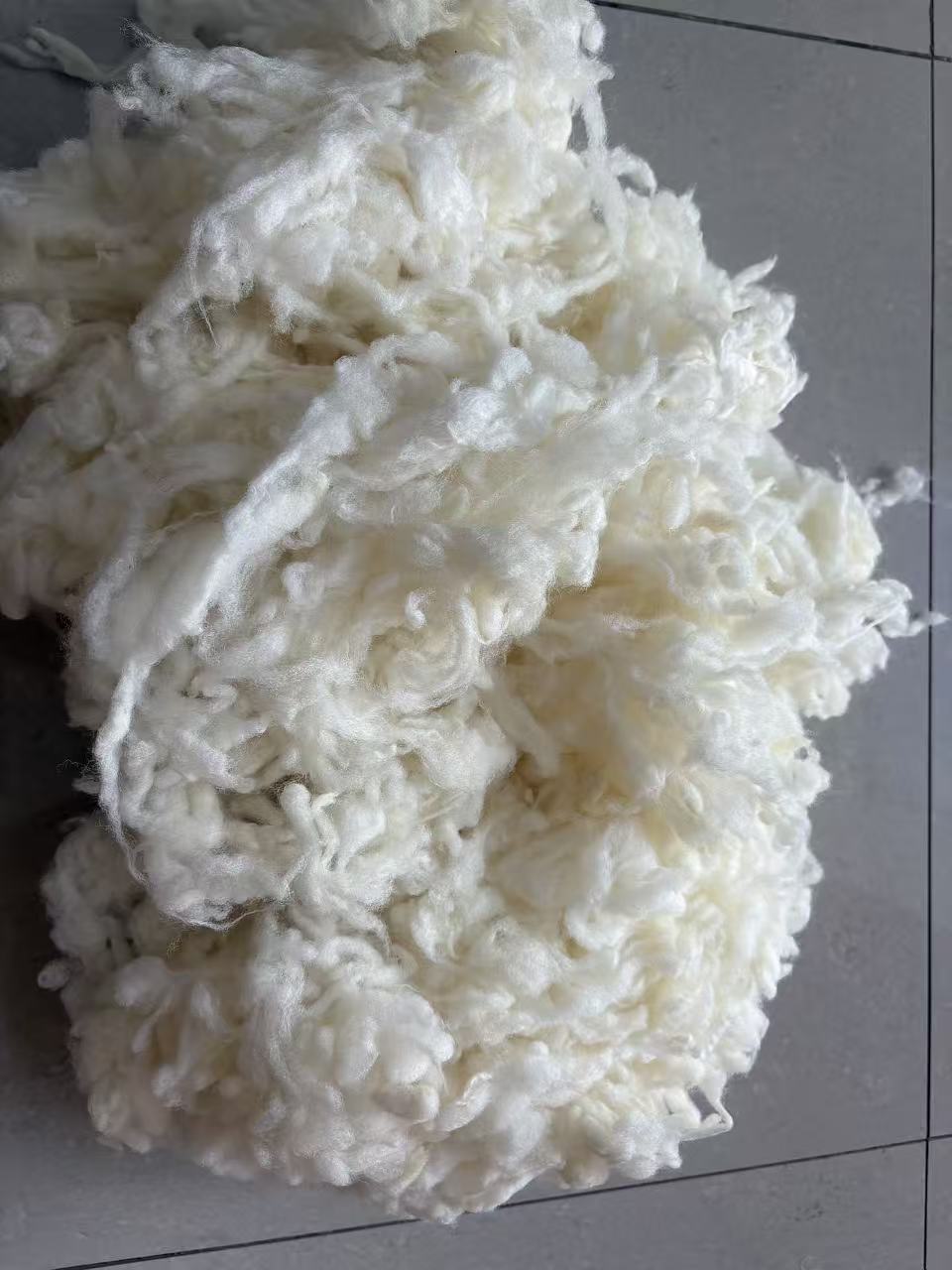
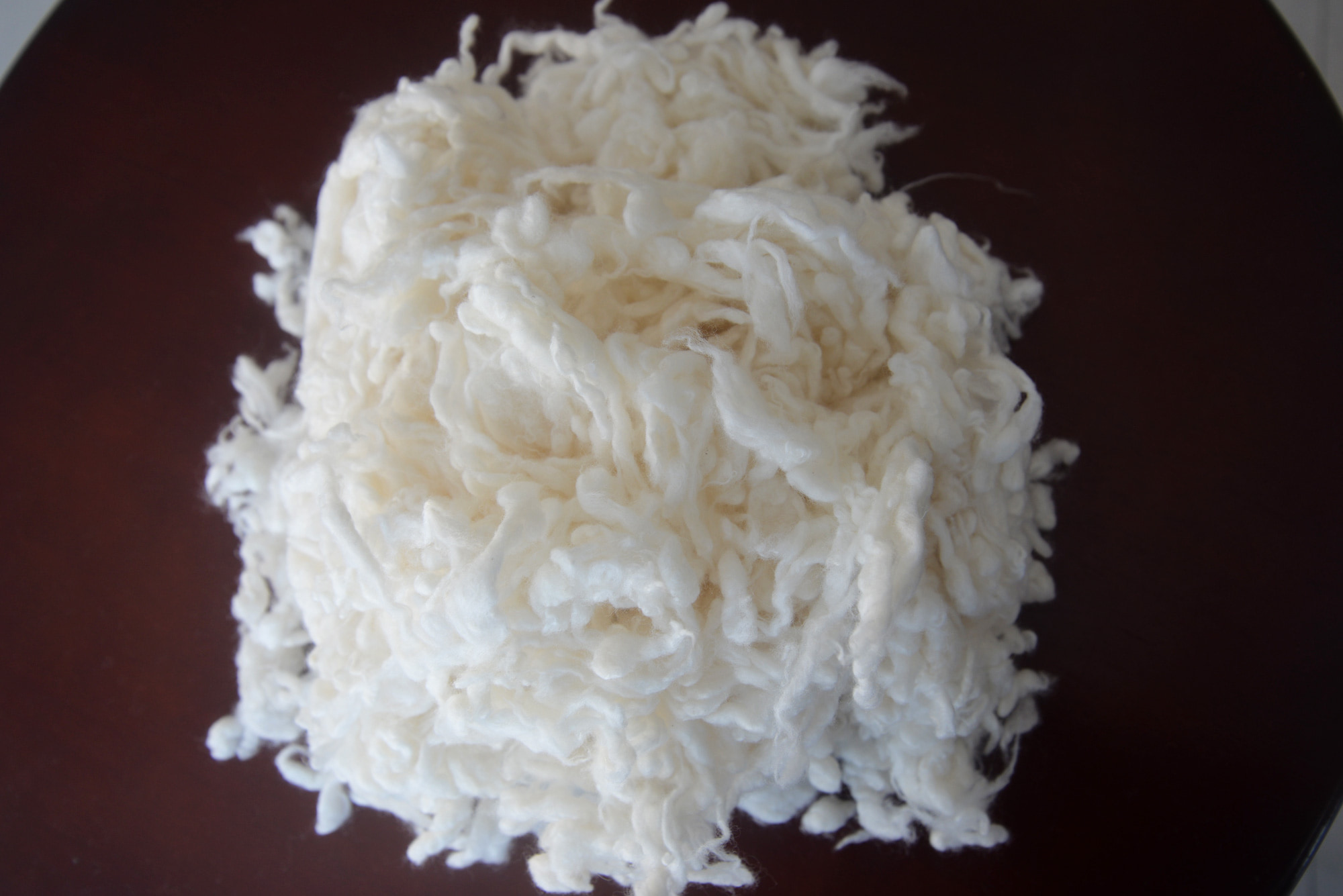
Wool fabric derives from protein-based keratin fibers, the same structural protein found in human hair. This molecular composition creates unique performance characteristics unmatched by cellulose-based alternatives. The fiber’s natural three-dimensional crimp—typically 8-12 crimps per inch in fine wool—creates air pockets that provide exceptional thermal insulation while maintaining breathability.
The protein structure enables wool to absorb up to 30% of its weight in moisture vapor without feeling wet to the touch, a critical advantage in activewear and climate-variable applications. This hygroscopic capacity results from the fiber’s cortical cells and overlapping cuticle scales, which allow moisture molecules to penetrate the fiber core while maintaining surface dryness. The moisture absorption process is exothermic, generating heat that contributes to wool’s warmth even in damp conditions.
Wool’s natural elasticity—recovering up to 95% of its original shape after stretching—stems from its bilateral molecular structure. Each fiber contains orthocortex and paracortex cells with different molecular arrangements, creating inherent resilience. This elasticity translates to wrinkle resistance and shape retention in finished garments, reducing maintenance requirements in commercial applications.
The fiber diameter ranges from 15 microns (ultrafine merino) to 40+ microns (coarse carpet wool), directly influencing fabric hand, drape, and end-use suitability. Fine wools (17-19.5 microns) command premium prices for next-to-skin apparel, while medium wools (20-24 microns) serve suiting and outerwear markets.
Cotton Fabric Composition and Fiber Characteristics
Cotton consists of nearly pure cellulose (94-96%), forming a hollow tubular structure with a twisted ribbon-like configuration. This botanical fiber’s cell wall contains primary and secondary layers of cellulose microfibrils, creating a naturally absorbent material that can hold 24-27 times its weight in liquid water—significantly higher than wool’s liquid absorption but lower than wool’s vapor management capacity.
The hollow fiber core, or lumen, contributes to cotton’s breathability and softness but provides minimal insulation compared to wool’s crimped structure. Cotton’s thermal conductivity (0.04 W/mK) exceeds wool’s (0.02-0.03 W/mK), making cotton fabrics cooler in warm conditions but less effective in cold environments.
Cotton fiber length (staple) ranges from 10mm (short staple) to 35mm+ (extra-long staple, such as Egyptian or Pima cotton). Longer staples produce stronger, smoother yarns with reduced pilling and enhanced durability. The fiber’s natural twist (convolutions per inch) influences spinning performance and fabric strength, with higher twist counts correlating with superior yarn quality.
Unlike wool’s protein bonds, cotton’s cellulose structure lacks inherent elasticity, resulting in permanent deformation under stress. This characteristic causes cotton garments to stretch and lose shape over time, particularly in knit constructions. However, cotton’s tensile strength (3-5 grams per denier) significantly exceeds wool’s (1-2 g/den), making cotton more resistant to tearing and abrasion in high-stress applications.
Performance Comparison: Wool vs Cotton
Thermal Regulation and Insulation Performance
Wool’s thermal insulation capacity, measured in CLO values (clothing insulation units), ranges from 0.8-1.2 CLO for medium-weight fabrics, compared to cotton’s 0.5-0.7 CLO at equivalent fabric weights. This 40-60% insulation advantage stems from wool’s crimped fiber structure, which traps dead air—the most effective thermal insulator—within the fabric matrix.
Wool demonstrates superior temperature adaptability, functioning effectively across a range from -20°C to +25°C. The fiber’s moisture-wicking properties prevent heat loss through evaporative cooling in cold conditions while enabling heat dissipation in warmer environments. This bidirectional thermal regulation makes wool ideal for variable-climate applications and transitional-season garments.
Cotton’s thermal performance follows a more linear pattern, providing cooling in warm conditions but offering limited insulation when temperatures drop. The fabric’s high thermal conductivity and lack of crimped structure result in minimal air entrapment, reducing its R-value (thermal resistance) to approximately 0.5-0.7 per inch of thickness, compared to wool’s 1.0-1.3.
Seasonal application data shows wool outperforming cotton in cold-weather markets by 65-80% in consumer preference studies, while cotton dominates warm-weather applications with 70-85% market preference. This polarization drives blended fabric development, combining wool’s insulation with cotton’s breathability for year-round versatility.
Durability, Maintenance, and Lifecycle Costs
Despite cotton’s superior tensile strength (3-5 g/den vs. wool’s 1-2 g/den), wool fabrics often demonstrate longer functional lifespans due to elastic recovery and natural resilience. Abrasion resistance testing (Martindale method) shows quality wool fabrics withstanding 25,000-40,000 cycles before visible wear, while cotton fabrics typically show degradation at 15,000-25,000 cycles, though this varies significantly with weave density and yarn quality.
Wash cycle longevity presents contrasting profiles. Cotton tolerates frequent machine washing with minimal degradation, maintaining structural integrity through 50-100+ wash cycles at high temperatures (60-90°C). Wool requires gentler care—typically hand washing or specialized wool cycles at low temperatures (30°C maximum)—but needs less frequent cleaning due to natural odor resistance and soil-repellent properties.
Industry Applications & Commercial Use Cases
Textile Industry Standards and Compliance
Wool fabric production adheres to ISO 3801 standards for fiber content labeling, requiring minimum 85% wool content for “Pure Wool” designation and 95% for “100% Wool” labels. The Woolmark certification program provides additional quality assurance, specifying fiber diameter, strength, and processing standards that ensure consistent performance characteristics.
OEKO-TEX Standard 100 certification addresses chemical safety, restricting harmful substances in textile processing. Wool’s natural composition simplifies compliance compared to synthetic fibers, though dyeing and finishing processes require careful management. Class I certification (baby products) demands the most stringent limits, achievable with properly processed wool through chromium-free tanning and low-impact dyes.
Wool’s inherent flame resistance—ignition temperature of 570-600°C compared to cotton’s 255-260°C—enables compliance with stringent fire safety standards without chemical treatments. This natural property meets EN ISO 15025 (limited flame spread) and NFPA 701 (flame-resistant textiles) requirements, making wool preferred for public transportation upholstery, hospitality textiles, and protective workwear applications where fire safety is paramount.
Cotton requires flame-retardant chemical treatments to meet equivalent standards, adding cost and potentially affecting fabric hand and breathability. These treatments typically reduce cotton’s environmental profile and may require reapplication after multiple wash cycles.
Target Market Applications
Apparel Sector: Wool dominates suiting and formal wear markets, representing 60-70% of premium men’s suit fabrics due to superior drape, wrinkle resistance, and professional appearance. Fine merino wool (17-19.5 microns) has captured 35-40% of the performance activewear base layer market, competing directly with synthetics on moisture management and odor control. Cotton maintains 80%+ market share in casual wear, t-shirts, and warm-weather garments where breathability and softness outweigh insulation requirements.
Home Textiles: Wool carpets and upholstery fabrics leverage durability and natural stain resistance, commanding 25-30% of premium residential markets and 40-50% of commercial contract markets where lifecycle costs justify higher initial investment. Cotton dominates bedding (70%+ market share) and toweling (85%+) applications where absorbency and frequent washing are essential.
Industrial Applications: Wool’s unique properties enable specialized uses including acoustic insulation (sound absorption coefficient 0.8-0.95), filtration media for oil-water separation, and thermal insulation in building applications. Cotton serves industrial wiping, medical textiles, and filtration where absorbency and lint-free properties are critical.
Procurement Considerations for B2B Buyers
Cost Analysis and Supply Chain Factors
Wool pricing exhibits significant volatility, fluctuating between $4-15/kg based on fiber diameter, origin, and market conditions. Australian Merino wool (the global benchmark) experiences 20-35% annual price variations driven by drought cycles, currency fluctuations, and demand from Chinese textile mills. This volatility complicates long-term procurement contracts, requiring flexible pricing mechanisms or strategic hedging.
Cotton prices ($1.50-3.00/kg for medium-staple varieties) demonstrate lower volatility (10-20% annual variation) due to larger global production volumes and established futures markets. However, cotton supply chains face disruption risks from weather events, pest pressures, and geopolitical factors affecting major producing regions (India, China, USA, Pakistan).
Minimum order quantities (MOQs) differ substantially: wool fabric mills typically require 500-2,000 meter MOQs for custom specifications, while cotton’s higher production volumes enable 200-500 meter MOQs. Lead times average 60-90 days for wool versus 45-60 days for cotton, reflecting smaller production runs and more specialized processing requirements.
Supplier reliability assessment should evaluate vertical integration, fiber sourcing transparency, and quality control systems. Wool suppliers with direct farm relationships provide better traceability and quality consistency, while cotton suppliers benefit from established certification programs (Better Cotton Initiative, Organic Cotton Standard) that ensure sustainable sourcing.
Sustainability and Regulatory Compliance
Lifecycle assessment data reveals wool’s significantly lower water footprint—125-150 liters per kilogram versus cotton’s 10,000-20,000 L/kg—representing a 70-95% reduction in water consumption. This advantage stems from sheep’s minimal irrigation requirements compared to cotton cultivation’s intensive irrigation demands.
Carbon footprint analysis shows more nuanced results: wool production generates 5-7 kg CO2e per kilogram of fiber (including methane emissions from sheep), while cotton produces 3-4 kg CO2e/kg. However, wool’s longer functional lifespan and biodegradability (3-4 months versus cotton’s 5-6 months) improve its overall environmental profile when measured per garment wear.
REACH (Registration, Evaluation, Authorization, and Restriction of Chemicals) compliance requires documentation of all chemical inputs in textile processing. Wool’s protein structure necessitates specific treatments (chlorination for shrink resistance, moth-proofing) that require careful management, while cotton processing involves different chemical concerns (bleaching, mercerization, formaldehyde-based finishes).
Circular economy potential favors wool due to established recycling infrastructure for post-consumer wool textiles (mechanical recycling into shoddy fibers) and natural biodegradability. Cotton recycling faces technical challenges with fiber length degradation, though chemical recycling technologies are emerging. Traceability requirements increasingly demand blockchain or digital certification systems, particularly for organic and ethical sourcing claims.
FAQ Module
Q1: What is the primary advantage of wool fabric over cotton in moisture management?
Wool’s protein-based fiber structure absorbs up to 30% of its weight in moisture vapor while maintaining a dry surface feel, compared to cotton’s 8-10% vapor absorption capacity. This hygroscopic property enables wool to wick perspiration away from skin and release it gradually, preventing the clammy sensation common with cotton in high-humidity or active-use conditions.
The moisture absorption process is also exothermic in wool, generating warmth that enhances thermal comfort in cold, damp environments—a critical advantage for outdoor apparel and performance textiles.
Q2: How do wool and cotton compare in terms of total lifecycle cost for commercial textile applications?
While wool’s acquisition cost ($4-15/kg) significantly exceeds cotton’s ($1.5-3/kg), total lifecycle cost analysis over 3-5 years reveals a narrower gap. Wool’s superior durability (25,000-40,000 abrasion cycles vs. cotton’s 15,000-25,000), reduced replacement frequency, and lower cleaning costs (less frequent washing required) offset higher initial investment.
For commercial upholstery applications with 5-year service requirements, wool’s cost per use typically ranges $0.15-0.35 compared to cotton’s $0.08-0.18, making wool cost-competitive in high-use environments where durability and appearance retention justify premium pricing.
Q3: Which fabric is more suitable for flame-resistant industrial applications and why?
Wool is inherently superior for flame-resistant applications due to its natural ignition temperature of 570-600°C (compared to cotton’s 255-260°C) and self-extinguishing properties. Wool meets EN ISO 15025 and NFPA 701 flame resistance standards without chemical treatments, maintaining breathability and comfort while providing safety.
Cotton requires flame-retardant chemical treatments to achieve equivalent protection, adding cost, potentially reducing fabric hand, and requiring retreatment after multiple wash cycles. This makes wool the preferred choice for transportation upholstery, hospitality textiles, and protective workwear where fire safety regulations are stringent and lifecycle costs favor untreated, naturally compliant materials.
Conclusion
The wool versus cotton decision requires balancing performance requirements, application-specific demands, and total cost considerations rather than simple price comparison. Wool excels in thermal insulation, moisture vapor management, flame resistance, and durability for applications requiring multi-year service lives, while cotton offers superior breathability, absorbency, ease of care, and cost-effectiveness for warm-climate applications and high-frequency washing scenarios.
B2B procurement professionals should apply a decision matrix evaluating thermal requirements (CLO values), moisture management needs, durability expectations (abrasion cycles), maintenance capabilities, and budget constraints. Applications requiring temperature regulation across variable conditions, extended replacement cycles, or inherent flame resistance favor wool despite higher acquisition costs. Conversely, warm-climate products, frequent-wash applications, and price-sensitive markets benefit from cotton’s cost-performance profile.
Emerging trends indicate growing adoption of wool-cotton blended fabrics (typically 50-70% wool, 30-50% cotton) that combine wool’s insulation and resilience with cotton’s breathability and cost-efficiency.
These blends address mid-market segments seeking balanced performance at moderate price points, representing 15-20% annual growth in commercial textile markets. Future developments in fiber processing, sustainable sourcing certifications, and circular economy infrastructure will continue reshaping the competitive landscape between these foundational textile materials.