
Introduction
What is Carbonised Wool Superwash, and why is it easier to care for than traditional wool?
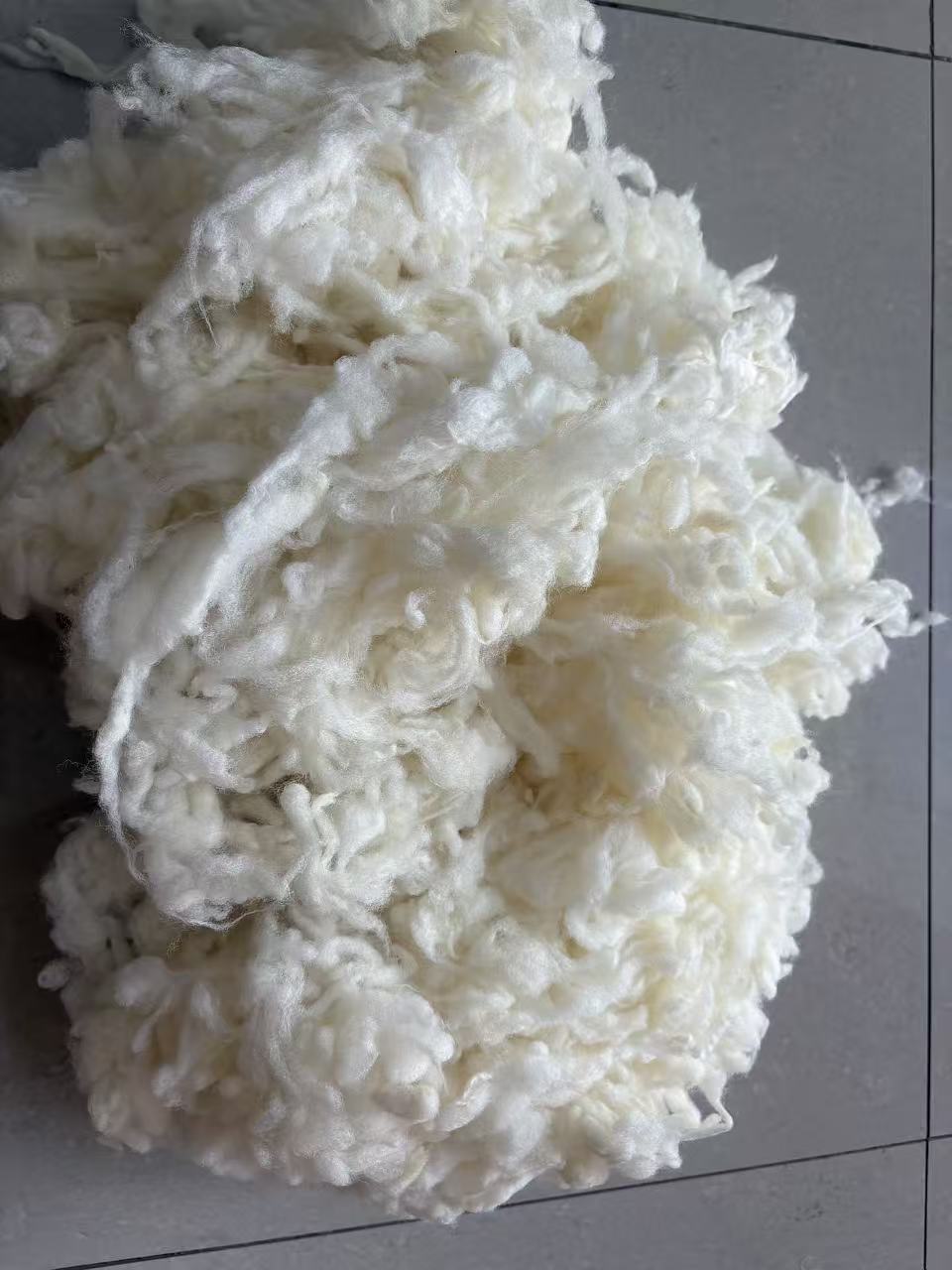
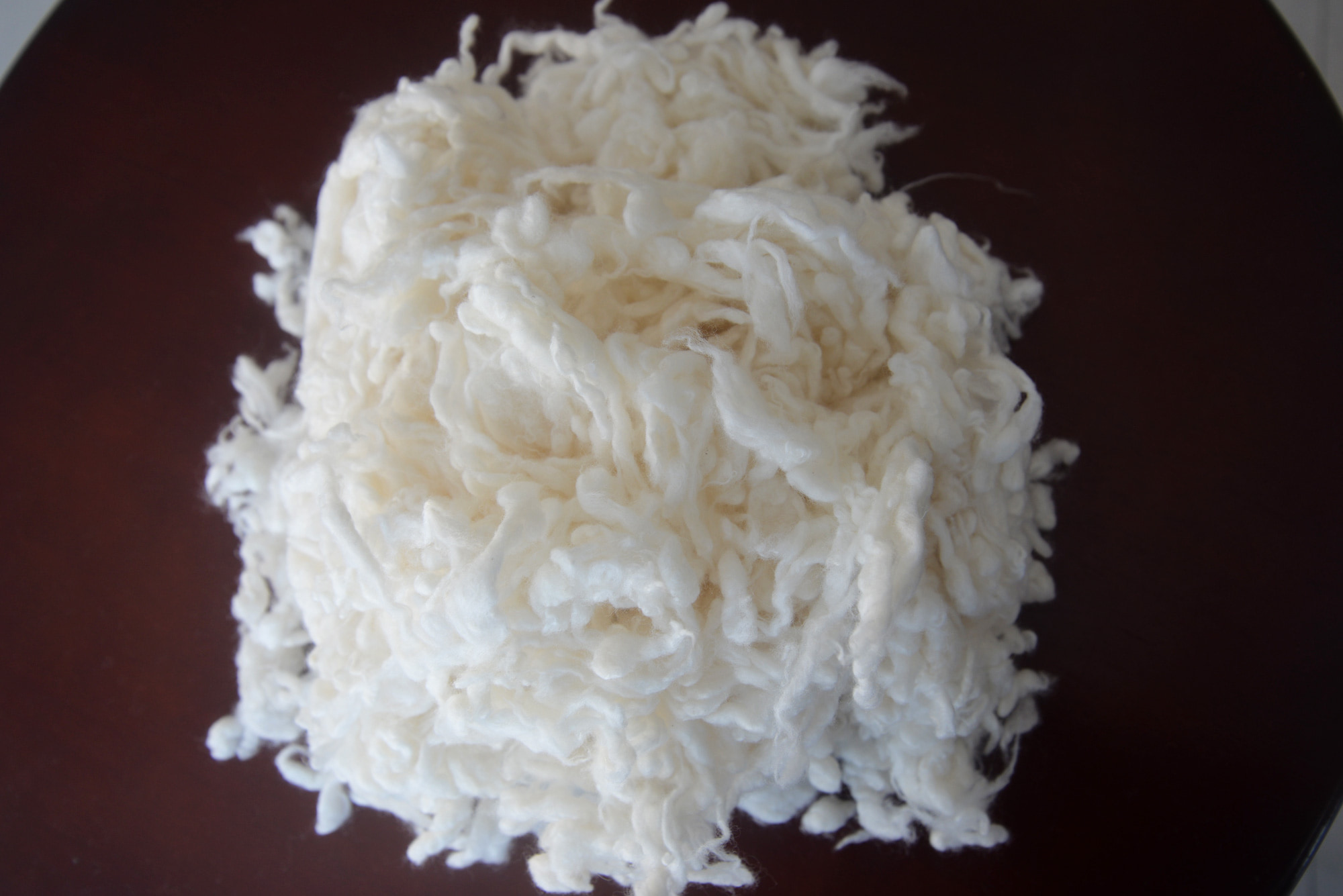
Carbonised Wool Superwash is a specially treated wool that combines carbonising and superwash processes to improve cleanliness, durability, and ease of maintenance. Unlike untreated wool, it is machine washable, resists felting and shrinkage, and contains minimal vegetable matter.
This article explains how Carbonised Wool Superwash works, how it compares to regular wool, and why it offers a more practical solution for modern textile applications.
Understanding the Two Core Technologies
Carbonised Wool Superwash is not a single treatment but the combination of two distinct processes: carbonisation and superwash. Each addresses a different limitation of raw wool. Together, they produce a fiber that outperforms untreated wool across nearly every performance metric.
Carbonisation – Removing Vegetable Matter for a Purer Fiber
Raw wool, as it comes from the sheep, contains a significant amount of contamination. The most troublesome contaminants are vegetable matter (VM) – burrs, grass seeds, straw fragments, and other plant material picked up in the field. Depending on grazing conditions and sheep breed, raw fleece can contain anywhere from 8% to 12% vegetable matter by weight.
Vegetable matter causes three serious problems in finished wool products:
Skin irritation and discomfort – Burrs and plant fragments create the familiar “prickle” that many people associate with wool. Even small residues can cause itching, making the fabric unsuitable for next-to-skin wear.
Uneven dyeing – Plant materials absorb dye differently than wool keratin. The result is a blotchy, inconsistent color that fails quality standards for premium textiles.
Reduced durability – Hard plant particles act as internal abrasives. With every flex, wash, and wear, they grind against wool fibers, slowly cutting and weakening them over time.
Carbonisation solves all three problems. The process uses dilute sulfuric acid to selectively dehydrate and carbonize cellulosic (plant) material while leaving the protein-based wool fiber intact. Key parameters: acid concentration of 4–7% sulfuric acid, temperature of 60–70°C (140–158°F), and treatment duration of 15–30 minutes depending on contamination levels. After the acid treatment, mechanical crushing breaks the carbonized plant matter into fine dust. Vibration and air-current systems then remove more than 98% of the crushed plant material. A neutralization step using sodium carbonate solution (pH 7.5–8.5) removes residual acid, ensuring compliance with ASTM D584 standards, which require residual acid content below 0.02%.
The results of carbonisation are measurable and significant. After proper carbonisation, residual vegetable matter content drops from 8–12% in raw fleece to below 0.5%. Fiber strength retention is excellent: when processing follows optimal parameters, carbonised wool retains 92–96% of its original tensile strength. The fiber becomes more porous than scoured-only wool, which actually improves dye uptake – carbonised wool absorbs dyestuffs more readily and uniformly. However, carbonisation alone does not solve the problem of felting and shrinkage. That is where the second technology comes in.
Superwash Treatment – Making Wool Machine-Washable
Even after all vegetable matter has been removed, untreated wool still has a structural feature that causes major practical problems: surface scales. Under a microscope, every wool fiber looks like overlapping scales or shingles. These scales are the reason wool felts.
When wool fibers are exposed to heat, moisture, and mechanical agitation – exactly the conditions inside a washing machine – the scales on adjacent fibers interlock. They slide in one direction but catch in the other, progressively tangling and tightening the structure. This process is called felting, and it results in irreversible shrinkage. A single machine wash at 40°C can shrink an untreated wool sweater by 15% to 30% – often rendering it unwearable.
Superwash treatment (also known as shrink-resist treatment) modifies the wool fiber surface to prevent this interlocking. Two main methods are used commercially:
Method one: Chlorine-Hercosett. This is the most widely used superwash process. Chlorine gas or a chlorine-releasing compound partially degrades the scale edges, smoothing the fiber surface. A thin, continuous polymer film – typically a polyamide resin called Hercosett – is then deposited onto the fiber. This coating prevents scales from different fibers from contacting each other and interlocking. The Hercosett system is recognized within the European Union as Best Available Technology (BAT) for producing machine-washable wool.
Method two: Enzymatic or plasma treatment. Newer, greener methods use enzymes (such as proteases) or low-temperature plasma to etch the scale edges without chlorine. These methods reduce chemical usage and eliminate the need for petroleum-based polymers in some cases. Adoption is growing as the textile industry seeks more sustainable finishing technologies.
After superwash treatment, Carbonised Wool Superwash achieves the following performance characteristics:
Machine washable on a wool or delicate cycle at temperatures up to 40°C (104°F)
Shrinkage is typically below 3% after multiple washes, compared to 15–30% for untreated wool
Dimensional stability: garments maintain their shape and size cycle after cycle
Reduced pilling: the surface modification also reduces the tendency for loose fibers to form pills
When carbonisation and superwash are combined, the result is a fiber that is both exceptionally pure and machine-washable. That is Carbonised Wool Superwash.
Detailed Benefits of Carbonised Wool Superwash
Now, let us examine the specific, quantifiable benefits that Carbonised Wool Superwash delivers. Users consistently report that this material outperforms conventional wool in five key areas.
Ease of Care – The Convenience Factor
The most immediate and obvious benefit is ease of care. Traditional wool requires hand washing in cool water with special detergents or professional dry cleaning. Both are inconvenient and expensive. Carbonised Wool Superwash eliminates this burden.
Garments made from Carbonised Wool Superwash can be safely machine-washed using a standard domestic washing machine. Recommended settings:
Cycle: Wool, delicate, or hand-wash cycle
Water temperature: Cool, up to 30–40°C (86–104°F)
Detergent: Mild wool detergent, pH-neutral, no bleach
Spin speed: Low (600–800 RPM maximum)
Fabric softeners should not be used on any wool, including Carbonised Wool Superwash. They coat fibers and can reduce breathability and performance.
After washing, garments can be air dried flat (best practice) or tumble dried on the lowest heat setting. High heat is still damaging, but low-heat tumble drying is acceptable for most items. For consumers, this is transformative: no more dry cleaning bills, no more ruined sweaters, no more hand-washing rituals. The convenience of Carbonised Wool Superwash is often cited as the primary reason consumers choose it over traditional wool.
Superior Durability – Why It Lasts Longer
Durability is critical. A garment that wears out after 20 washes has a much higher lifetime cost than one that lasts for 100 washes. Carbonised Wool Superwash is engineered for longevity. Durability improvements come from four specific mechanisms:
Elimination of abrasive vegetable matter – No internal abrasion from plant particles.
Prevention of felting fatigue – Scales never interlock, so fibers don’t break.
Preservation of tensile strength – 92–96% retention of original strength.
Enhanced dimensional stability – Garment holds its shape, reducing stress on seams.
In practical terms, a garment made from Carbonised Wool Superwash can typically withstand 50 or more machine wash cycles with minimal degradation, while untreated wool may fail in far fewer cycles. For high-use items like base layers, socks, and children’s clothing, this durability difference is enormous. Many outdoor brands now specify Carbonised Wool Superwash specifically for its long-term performance.
Comfort and Softness – No More Prickles
One of the most common complaints about wool is that it itches. The source is often not the wool fiber itself, but vegetable contaminants. Carbonised Wool Superwash reduces the “prickle factor” to near zero. The resulting fabric feels smooth, soft, and comfortable against the skin, making it suitable for baby garments, base layers, sensitive-skin users, and luxury knitwear.
The superwash coating also adds a slight lubricity to the fiber surface, reducing friction and enhancing the fabric’s drape and handle. For anyone who has avoided wool due to itching or roughness, Carbonised Wool Superwash offers a completely different experience. It is wool without the scratchiness.
Better Dyeing Performance
For textile brands, color consistency is non-negotiable. Carbonised Wool Superwash offers significant advantages. First, the increased porosity of carbonised wool allows dye molecules to penetrate more uniformly. Second, the removal of vegetable matter eliminates differential dye uptake, where plant residues absorb dye differently from wool. The result is a uniform, consistent color across every batch, with fewer rejects and re-dyes.
This translates directly to lower production costs and higher customer satisfaction. Brands using Carbonised Wool Superwash report improved batch-to-batch color matching, reduced dyeing rejects, and the ability to achieve deeper, more vibrant shades with the same amount of dyestuff.
Comparison – Carbonised Wool Superwash vs. Regular Wool
A side-by-side comparison makes the advantages clear:
| Feature | Regular Wool | Carbonised Wool Superwash |
|---|---|---|
| Vegetable matter content | 8–12% (raw fleece) | <0.5% |
| Machine washable | No – hand wash or dry clean only | Yes (delicate cycle, ≤40°C) |
| Shrinkage risk (one wash) | 15–30% | <3% |
| Skin comfort | Potential prick from burrs | Smooth, hypoallergenic |
| Dye uniformity | Inconsistent due to contaminants | Excellent, batch-to-batch |
| Fiber strength retention | Baseline (100% for raw wool) | 92–96% after processing |
This comparison shows that Carbonised Wool Superwash fundamentally changes what wool can do. The data above is consistent across multiple independent tests and industry reports. For manufacturers deciding between conventional wool and Carbonised Wool Superwash, the choice is clear.
Real-World User Scenarios
For busy parents: A wool baby blanket made from Carbonised Wool Superwash can be machine-washed after every accident – no special treatment, no ruined garments. Parents no longer need to maintain separate hand-washing routines for woolen children’s items. This convenience is often a decisive purchasing factor for parents choosing between natural-fiber baby products and easier-care synthetic alternatives.
For outdoor enthusiasts: Base layers and hiking socks made from Carbonised Wool Superwash can be washed repeatedly after sweaty hikes, without losing fit or insulating properties. The global Merino wool market continues to grow, driven by performance users who demand both natural fiber benefits and modern durability.
For textile brands: One mid-sized outdoor brand switched to Carbonised Wool Superwash for its entire wool collection. Shrinkage-related returns dropped from 8% to under 1%. Customer satisfaction scores increased by 22 percentage points. The brand raised retail prices by 15% while maintaining the same sell-through rate. This is the kind of result that brand owners report after switching.
For home textiles: Machine-washable wool throws and blankets made from Carbonised Wool Superwash eliminate dry cleaning requirements – a major selling point for hospitality and residential use. Hotels can launder wool bedding in-house, reducing operational costs and extending product life.
Care and Maintenance Guidelines
Even though Carbonised Wool Superwash is low-maintenance, following these simple rules will maximize its lifespan:
Wash: Use a wool or delicate cycle with cool water (≤40°C / 104°F). Use a mild wool detergent. Never use fabric softener on Carbonised Wool Superwash.
Dry: Air dry flat is best. Low-heat tumble drying is acceptable for most Carbonised Wool Superwash items – check the care label.
Store: Fold garments rather than hanging to prevent stretching. Use breathable fabric bags. Cedar blocks or lavender sachets provide moth protection.
Refresh: Between washes, hang the garment in a steamy bathroom for 10–15 minutes. Steam relaxes fibers and removes odors without a full wash cycle.
Proper care of Carbonised Wool Superwash is simple and takes very little time compared to the elaborate hand-washing required for regular wool.
Environmental Considerations
No textile processing is without impact. Traditional superwash uses chlorine and petroleum-based polymers. However, greener alternatives (enzymatic, plasma) are emerging and gaining commercial traction. Compared to synthetics (polyester, nylon), which dominate 70% of the textile market, Carbonised Wool Superwash is renewable, biodegradable, and has a lower overall environmental footprint – especially when its longer lifespan is factored in.
Studies have shown that superwash wool biodegrades faster than untreated wool in marine environments. The polymer coating does not shed microplastics like synthetic fibers; it bonds chemically with the wool. The chlorine-Hercosett process is regulated as Best Available Technology (BAT) in the European Union, with closed-loop systems and wastewater treatment required. For responsible sourcing, choose Carbonised Wool Superwash from suppliers with OEKO-TEX or ZDHC certifications, and support the transition to chlorine-free superwash technologies.
Market Data and Industry Trends
The global wool market is growing. According to industry estimates:
The global wool market value in 2025 is approximately US$27.5 billion, and it is projected to reach US$36.0 billion by 2032 (CAGR 3.9%).
The worsted wool fabrics market was valued at US$6.04 billion in 2025 and is expected to reach US$8.24 billion by 2032 (CAGR 4.53%).
The merino wool market volume was 305.22 thousand metric tons in 2025, and is expected to reach 317.65 thousand metric tons by 2035 (CAGR 0.40%).
Demand for easy-care wool is growing faster than the category average. Consumers increasingly want natural fibers that fit modern lifestyles – machine washable, durable, and low-maintenance. Carbonised Wool Superwash directly meets this demand.
FAQ
Q1: Can Carbonised Wool Superwash be machine-washed?
Yes. Use a wool or delicate cycle with cool water (max 40°C / 104°F) and a mild wool detergent. Never use fabric softener.
Q2: Will Carbonised Wool Superwash shrink like regular wool?
No. Shrinkage is typically below 3% after multiple washes, compared to 15–30% for untreated wool. This is a key advantage of Carbonised Wool Superwash.
Q3: Is Carbonised Wool Superwash suitable for people with sensitive skin?
Yes. Carbonisation removes burrs and plant allergens, making the wool hypoallergenic and prickle-free. Many people who cannot wear regular wool find Carbonised Wool Superwash comfortable.
Q4: How does Carbonised Wool Superwash compare to regular merino wool in softness?
It is equally soft or softer. The removal of plant residues eliminates the main source of prickle, and the superwash coating adds lubricity.
Q5: Is Carbonised Wool Superwash environmentally friendly?
It has a processing footprint, but it is renewable and biodegradable. Newer enzymatic and plasma methods are reducing environmental impact. Compared to polyester, Carbonised Wool Superwash is clearly the greener choice.
Conclusion
Carbonised Wool Superwash solves the real-world problems that have held wool back: difficult care and limited durability. It is machine washable, shrink-resistant, purer, softer, and longer lasting than traditional wool. For brands, switching to Carbonised Wool Superwash means fewer returns, higher customer satisfaction, and a stronger sustainability story. For consumers, Carbonised Wool Superwash means wool that finally fits a busy, modern life.
Ready to upgrade your wool products with Carbonised Wool Superwash? Contact us today to request samples, technical specifications, or wholesale pricing. Don’t let your customers settle for fragile, high-maintenance wool – give them the performance of Carbonised Wool Superwash.