Introduction
Wool fabric has done more than withstand the rise of synthetic materials—it has continued to prove its lasting value.
Across real-world wear conditions, the conclusion is clear: in moisture management, odor resistance, thermal regulation, and environmental responsibility, wool consistently outperforms many common alternatives in the areas that matter most to modern consumers.
This is not about nostalgia or tradition. It is a performance-driven, science-supported reality that is fueling a global renewed interest in wool—one that brands, designers, and buyers can no longer ignore.
Understanding Contemporary Wool Fabric: Beyond the Traditional Image
For decades, synthetic fibers dominated the apparel industry with promises of low cost, easy care, and consistent performance. But consumers are waking up to a reality they can feel: synthetic fabrics trap heat, retain odors, and shed microplastics into every wash cycle. A growing number of designers, outdoor brands, and luxury houses are returning to wool fabric as the superior solution—not despite its natural origins, but precisely because of them.
The global wool market reflects this shift. Market data shows the wool industry was valued at USD 18.91 billion in 2025, with projections reaching USD 27.96 billion by 2032 at a compound annual growth rate of 5.74%. Meanwhile, woolen textiles—a segment focused specifically on premium apparel applications—is growing even faster, with the market expected to expand from USD 3.9 billion in 2024 to USD 7.2 billion by 2031 at a CAGR of 9.10%. These numbers tell a clear story: consumers are voting with their wallets for natural, sustainable, high-performance fibers.
The Evolution of a Natural Fiber
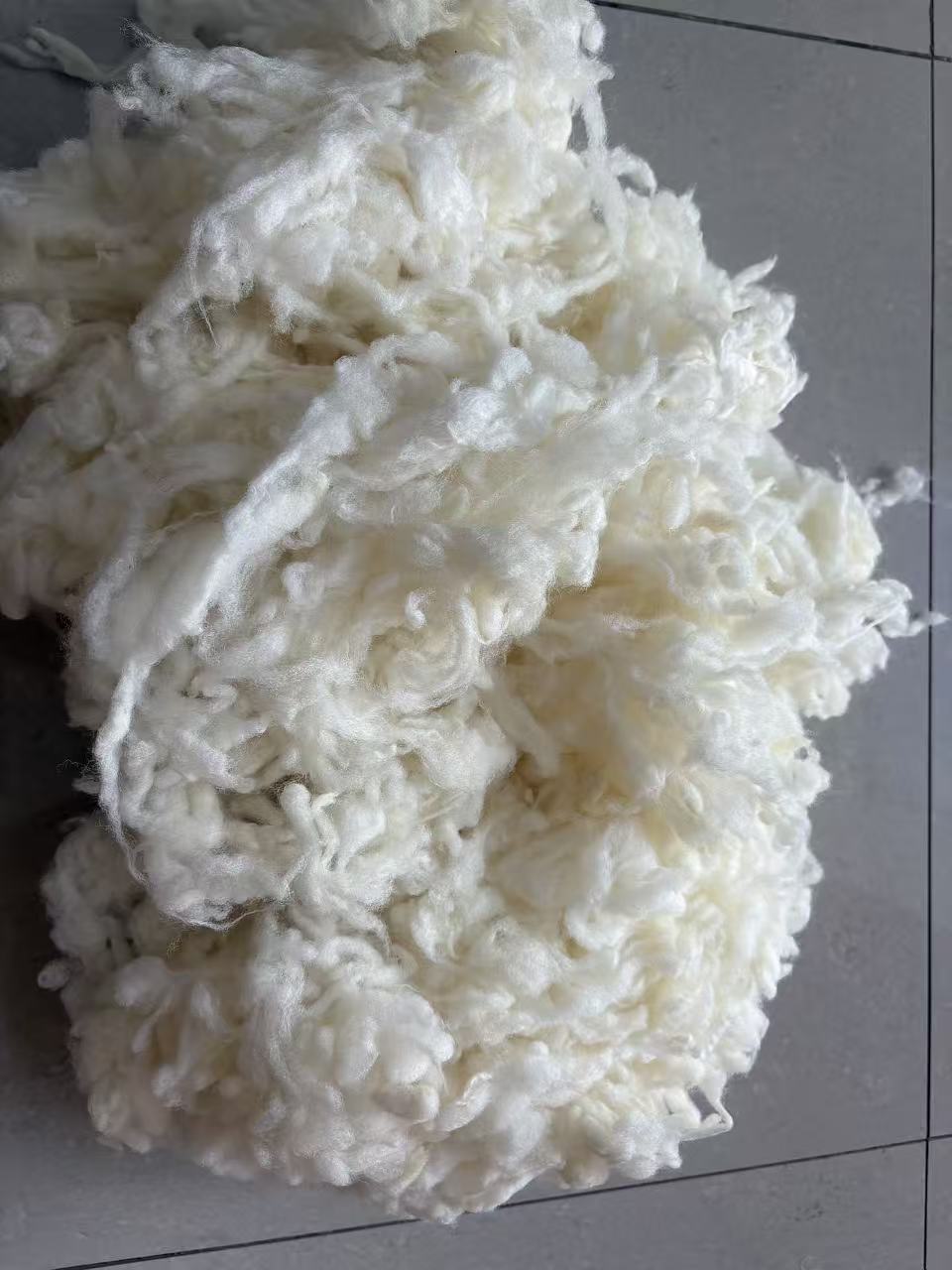
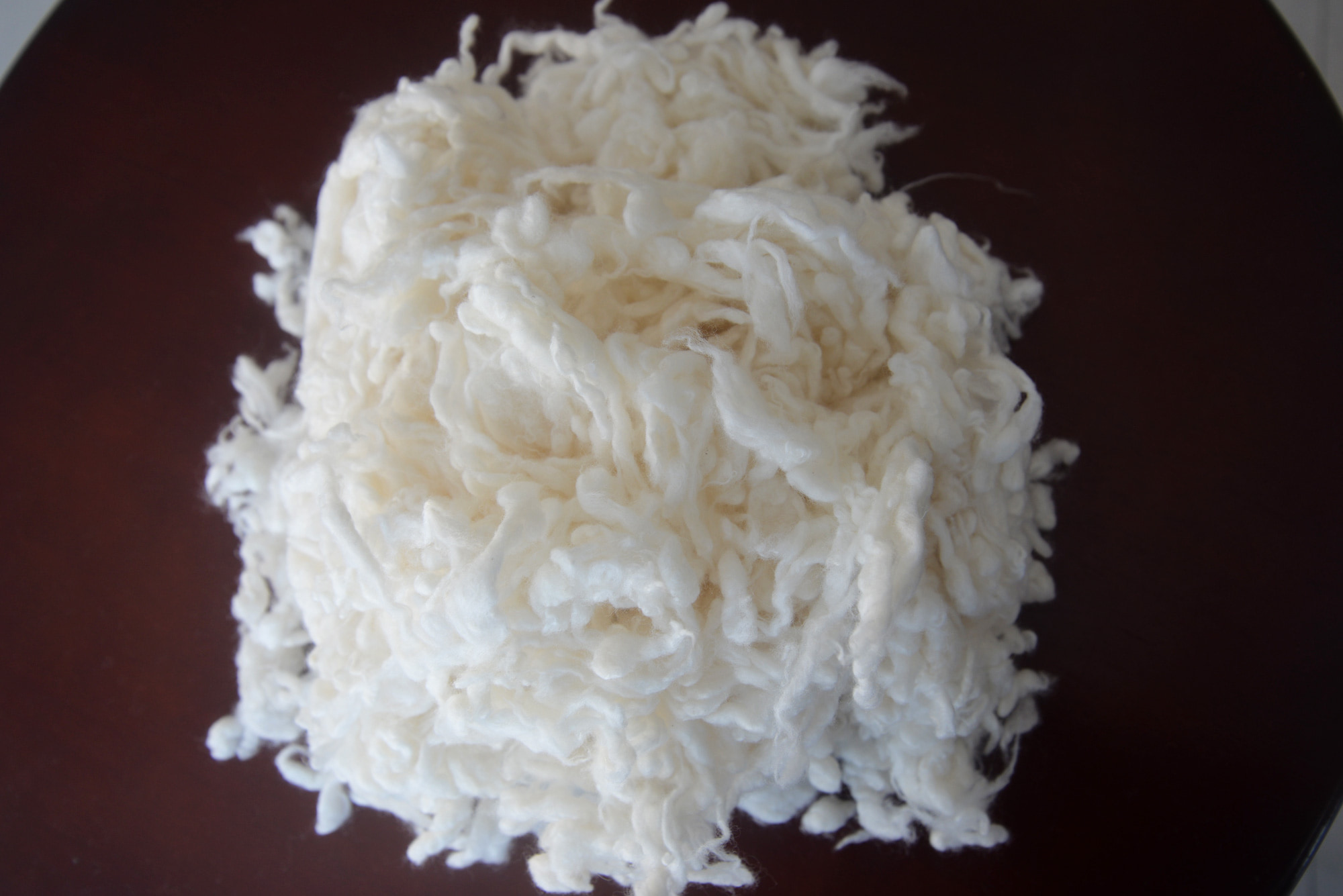
What many shoppers do not realize is that not all wool fabric is created equal. The textile industry has developed advanced processing techniques that enhance wool’s natural advantages while addressing traditional concerns. Among the most significant innovations is carbonisation—a chemical treatment that removes vegetable matter such as burrs, seeds, and grass from raw wool, resulting in a purer, softer, and more uniform fiber.
Carbonised wool offers distinct advantages over conventionally scoured wool. It is more porous, which significantly improves dye uptake—meaning colors appear richer and more consistent. It also removes up to 100% of vegetable matter that standard scouring cannot handle, resulting in a cleaner, more refined fiber suitable for the most demanding textile applications. For garment manufacturers, this translates to fewer defects in spinning and weaving, higher production yields, and a final product that feels distinctly more premium to the touch.
The Science of Premium Performance: What Makes Wool Fabric Superior
Natural performance is not a marketing slogan—it is measurable, testable, and observable in everyday use. The performance advantages of wool fabric fall into four distinct categories that collectively explain its premium positioning in modern apparel.
Thermal Regulation: Active Comfort in Every Climate
Unlike synthetic materials that passively trap heat or fail to retain warmth when wet, wool actively responds to changes in body temperature. This is due to the fiber’s natural crimp—the tiny wave structure that creates millions of insulating air pockets. These pockets trap warmth in cold conditions and release heat during physical activity, maintaining a stable microclimate next to the skin.
The science behind this is remarkable. Wool can absorb up to 35% of its weight in moisture vapor before the wearer ever feels damp or clammy. As absorption occurs, wool releases heat—one kilogram of dry wool can generate warmth equivalent to an electric blanket running for eight hours. This exothermic reaction keeps the wearer warm in cold, damp conditions while the fiber simultaneously wicks moisture away from the skin.
Moisture Management: Where Wool Outperforms Synthetics
Perhaps the most misunderstood advantage of wool fabric is its moisture-handling capability. Many assume that synthetics wick better because they feel dry to the touch, but this perception is misleading.
Synthetic fibers like polyester are hydrophobic—they repel water, moving liquid sweat along the fiber surface rather than absorbing it. This creates the sensation of dryness briefly, but it also means sweat sits on the skin longer before being moved. Wool, in contrast, is hygroscopic: it absorbs moisture vapor directly from the skin before that vapor ever condenses into liquid sweat.
The numbers confirm wool’s superiority. Wool fabrics can move 25% more moisture away from the skin than polyester fabrics, an effect equivalent to an ambient temperature drop of up to four degrees Celsius. In hot, dry environments, wool fabrics feel up to two times cooler to the touch than synthetics—not because they are thin, but because they conduct more heat away from the skin.
This performance difference becomes critical during temperature transitions. When you stop exercising in cold conditions, synthetic garments can expose you to three times more chilling than wool garments, because synthetics lack wool’s ability to slowly release stored moisture and maintain skin temperature.
Odor Resistance: A Natural Advantage Synthetics Cannot Copy
Anyone who has worn a polyester shirt on a warm day knows the problem. Within hours, synthetic fabrics develop a distinct odor that washing alone cannot fully eliminate. This is not a flaw in manufacturing—it is inherent to the material.
Synthetic fibers have a rough, irregular surface texture that creates microscopic pockets where bacteria can accumulate and thrive. The more you wear and wash these garments, the more bacteria colonize the fiber surface. Wool, by contrast, has a complex chemical structure that naturally inhibits bacterial growth. The fiber absorbs and locks away odor molecules within its structure, only releasing them during washing.
This is not marketing hype—it is measurable biochemistry. The lanolin and keratin naturally present in wool fibers do real antibacterial work, meaning wool garments can be worn multiple times between washes without developing unpleasant smells. For consumers tired of laundering polyester athletic wear after every single use, this represents a substantial quality-of-life improvement and lower environmental impact from reduced washing.
Durability and Resilience: Performance That Lasts
The perception that wool fabric is delicate or high-maintenance is outdated. Modern processing techniques have dramatically improved wool’s durability while preserving its natural advantages.
In fact, some of the most exciting innovations in textiles involve making wool even more durable than synthetics. New Zealand company TMC developed Herculan, a patented yarn technology that drafts coarse wool fibers around a performance filament without twisting or fraying. The result is a fabric that outlasts leading synthetic textiles in Martindale abrasion tests while maintaining wool’s natural comfort properties—efficient moisture management, faster dry times, thermal retention, and natural odor resistance. This technology opens up entirely new applications for wool in high-abrasion and impact zones where natural fibers were previously considered unsuitable.
Additionally, the corrosive effects of acid carbonising and permanent damage during the storage of acidic goods have been widely studied and documented. While standard carbonising requires careful neutralisation to avoid fiber damage, advanced manufacturing processes have largely addressed these concerns, making modern carbonised wool significantly more reliable than historical iterations.
Sustainability: Why Wool Fabric Wins the Circular Economy Argument
The environmental case for wool fabric is overwhelming—and increasingly difficult to ignore as synthetic fibers face growing regulatory scrutiny worldwide.
Wool is 100% natural, 100% renewable, and 100% biodegradable. It is the most reused and recycled apparel fiber on the planet, with wool garments being three times more likely to be donated than garments made from other major fibers. Yet wool represents only about 1% of global virgin fiber supply, yet historically achieves a donation rate of 5%—far exceeding its share of the fiber market and demonstrating wool’s exceptional value in circular economy systems.
When disposed of, wool acts like a natural fertilizer, slowly releasing valuable nutrients and carbon back into the soil. By comparison, the carbon in major synthetic apparel fibers such as polyester or acrylic is extracted from fossil fuels, releasing carbon stored millions of years ago. The average polyester garment is likely to survive in landfills for more than 200 years, meaning every synthetic garment ever made still exists in some form.
Perhaps most critically, wool sheds no microplastics. Synthetic fabrics shed microscopic plastic fibers into every wash cycle—fibers that travel through wastewater treatment plants and accumulate in oceans, soil, and even human tissues. Wool is 100% biodegradable, breaking down naturally without leaving behind persistent plastic pollution. Recent research has confirmed that both untreated and machine-washable wool readily break down in aquatic environments, unlike synthetic alternatives that persist indefinitely.
These environmental advantages resonate with modern consumers. Woolmark’s Wear Wool, Not Waste campaign—launched to coincide with European legislative changes addressing throwaway fashion culture—positions Merino wool as a transformational solution to fashion’s impact problem: versatile, biodegradable, recyclable, and long-lasting, aligning with nature rather than working against it.
Key Applications: Where Wool Fabric Excels in Modern Apparel
The versatility of wool fabric extends far beyond traditional sweaters and suits. Contemporary applications showcase wool’s adaptability across nearly every apparel category.
Performance and Athletic Wear
The fastest-growing segment for wool apparel is sportswear. According to the 2025 Wool Material Consumption Trends report, wool sportswear gross merchandise value increased 58%, with Merino wool sportswear products recording 119% growth over the same period. Chinese sportswear giant ANTA has incorporated 100% Merino wool into its professional-grade sportswear, including a trail running series contested at the Hong Kong 100 Ultra Trail Race, where elite athletes wore Merino garments across prolonged distances in challenging environmental conditions.
This adoption is not experimental—it is performance-validated. Field testing demonstrated that Merino wool’s natural thermoregulation, moisture management, and odor resistance performed under sustained physical stress, confirming what wool has always offered: natural, technical capability that synthetics approximate but cannot replicate.
Luxury and Premium Fashion
In the luxury segment, wool fabric remains the gold standard for quality. Premium Merino wool can reach fineness levels of 18.5–16 microns, approaching cashmere in perceived softness while maintaining superior durability and shape retention. Superfine wool—defined as Merino fibers of exceptional fineness—represents a market valued at USD 4.2 billion in 2024, projected to reach USD 6.4 billion by 2032 at a CAGR of 5.36%.
Luxury consumers increasingly prioritize materials that combine exceptional hand-feel with sustainability credentials. Wool fabric delivers on both fronts, offering the softness and drape expected in high-end garments alongside the environmental benefits discussed earlier. For brands building premium positioning, wool is not just a material choice—it is a statement of values.
Everyday and Trans-Seasonal Wear
Perhaps the most underappreciated application for wool fabric is everyday clothing. Wool’s natural breathability and temperature regulation make it suitable for trans-seasonal dressing in ways that cotton or synthetics cannot match. Wool keeps the wearer comfortable across a wider temperature range than any synthetic fiber, which is why it remains the default for performance brands across multiple categories.
For the average consumer, this means fewer wardrobe changes, less frequent laundering, and more comfortable day-to-day dressing. The 25–30 billion USD global woolen sweater market reflects this broad consumer acceptance, with women’s apparel growing at 3.5%–5.5% CAGR driven by demand for lightweight, stylish designs suitable for trans-seasonal wear.
Innovation Pipeline: How Wool Fabric Is Getting Even Better
The wool industry is not resting on its natural advantages. Significant technological innovations are expanding what wool fabric can achieve.
Flame-Retardant Enhancements
Researchers have developed mild grafting processes using phytic acid to impart durable flame-retardant properties to wool fabrics without affecting their physical properties. Treated wool achieves a limiting oxygen index of 34.2% and maintains flame retardancy even after 30 washing cycles, with char residues at 700°C increasing significantly compared to untreated wool. The whiteness, tensile strength, and handle of the fabric remain only slightly impacted, preserving wool’s premium characteristics while adding critical safety features.
Ultrablack and Performance Finishes
Cornell University researchers recently developed an ultrablack wool textile inspired by bird feather structures, achieving an average total reflectance of just 0.13% in the visible spectrum—representing the darkest fabric currently reported. Unlike commercially available ultrablack fabrics, this ultrablack wool remains breathable and comfortable while maintaining angle-independent performance across a 120° angular span. The modification uses biocompatible dyes and plasma etching, demonstrating that advanced textile finishes can work with wool’s natural structure rather than against it.
Bi-Stretch and Movement-Enabled Wool
Italian mill Lanificio di Tollegno has developed 3DWOOL®, a collection of bi-stretch woven wool fabrics powered by LYCRA® 136B fiber specifically engineered for delicate, heat-sensitive fibers like wool. The result is wool fabric with resilient stretch, enhanced shape retention, and lasting fabric stability—even after frequent use or washing—while preserving pure, natural wool feel and breathability. This innovation enables wool applications in active, athleisure, and hybrid apparel categories previously dominated by synthetics.
Wool-Alginate and Hybrid Blends
Australian Wool Innovation introduced Wool Alginate Fibre Blend, combining luxuriously soft wool with brown seaweed in a circular solution for performance apparel, medical textiles, workwear, and home textiles. The blend combines wool’s natural softness with brown seaweed’s skin comfort and moisture retention, creating entirely new performance categories for natural fibers.
Wool Fabric vs. Alternatives: A Complete Comparison
The performance differences between wool fabric and common alternatives are substantial. The following table summarizes key metrics across natural and synthetic options.
| Property | Wool Fabric | Cotton | Cashmere | Polyester (Synthetic) |
|---|---|---|---|---|
| Moisture Absorption (% of weight before feeling wet) | Up to 35% | ~7% | Similar to wool | Near 0% |
| Odor Resistance | Natural antibacterial properties | Limited | Good | Poor—retains odors |
| Thermal Regulation | Active across a wide temperature range | Moderate—traps moisture | Excellent warmth-to-weight | Poor in wet conditions |
| Biodegradability | 100%—returns nutrients to the soil | Yes, but slower degradation | Yes | No—persists 200+ years |
| Microplastic Shedding | None | Minimal | None | Significant—every wash |
| Price Point (relative) | $$$ (3–5× cotton) | $ | $$$$ (10–15× cotton) | $–$$ |
| Durability | Excellent—elastic and resilient | Good, but wears faster | Poor—pills and wears quickly | Good, but surface degradation |
| Static Electricity | Low—natural moisture balance | Low | Low | High—up to 10× more static |
Source data: Microplastic impacts from wool vs synthetics documented by Woolmark and referenced in sustainability research; moisture absorption comparison showing wool’s 35% capacity significantly exceeds cotton’s 7% and polyester’s near-zero; price differentials showing merino wool at 3–5× cotton, cashmere at 10–15× cotton
When choosing between wool fabric and alternatives, the table above illustrates why wool commands a premium price. The comparison is not close—wool outperforms alternatives across the metrics that matter most to discerning consumers: comfort, odor management, thermal regulation, and environmental responsibility. Cotton cannot match wool’s moisture-handling capacity. Cashmere offers exceptional softness but lacks durability. Synthetics deliver low cost but at unacceptable environmental and comfort trade-offs.
Addressing Common Concerns About Wool Fabric
Modern wool fabric addresses nearly every traditional objection consumers might have. Understanding these improvements helps buyers make informed decisions.
Is all wool itchy?
No. The perception that wool is itchy stems from coarser fibers and traditional processing methods. Premium Merino wool and carbonised wool are exceptionally soft, with fine fibers that do not irritate sensitive skin. The carbonising process specifically removes vegetable matter that can contribute to roughness, resulting in a smoother, more comfortable fabric.
Can wool be machine-washed?
Yes, selectively. While traditional wool required hand washing or dry cleaning, modern Superwash wool and carbonised wool products are specifically treated to withstand machine washing without shrinking or felting. Always check garment care labels, but many contemporary wool garments are fully machine-washable, making care far simpler than consumers expect.
Is wool suitable for warm weather?
Absolutely. The ability to move 25% more moisture away from the skin than polyester and feel up to two times cooler to the touch in hot, dry conditions makes wool an excellent warm-weather fabric. Lightweight wool garments are ideal for summer travel because they resist wrinkling, manage perspiration, and do not develop odors as quickly as cotton or synthetics.
Is wool fabric sustainable?
Yes, and increasingly recognized as a circular economy solution. Wool is 100% renewable (sheep grow a new fleece annually), 100% biodegradable (returns nutrients to soil), and the most reused and recycled apparel fiber globally. It sheds no microplastics and has a lower overall environmental impact across its lifecycle compared to petroleum-based synthetics.
Is wool fabric worth the premium price?
For performance, durability, and sustainability—unequivocally yes. Consumer research shows 82% of consumers are willing to pay a premium for Woolmark-certified garments, and 76% cite certification as a key decision factor. The higher upfront cost translates to longer garment life, fewer washes, better performance, and lower environmental impact—factors that increasingly drive purchasing decisions in premium markets.
Conclusion: The Case for Wool Fabric in Modern Apparel
Wool fabric is not a nostalgic choice—it is the forward-looking choice for brands, designers, and consumers who prioritize performance, sustainability, and long-term value. The data is unambiguous: wool outperforms synthetics in moisture management, odor resistance, thermal regulation, and environmental impact. The market is responding: the global woolen textiles market is growing at nearly 10% annually, driven by consumer demand for natural, sustainable, and high-performance materials.
For brands considering material sourcing decisions, the choice of wool fabric signals a commitment to quality and environmental responsibility. For designers seeking premium materials that deliver both exceptional hand-feel and technical performance, modern wool offers capabilities previously impossible. For consumers tired of synthetic garments that trap heat, retain odors, and shed microplastics, wool provides a superior alternative that works across all seasons and activities.
The question is no longer “Is wool worth the premium?” The question has become “Why choose anything else?”
Ready to elevate your apparel line with premium wool fabric? Contact our textile specialists today to explore our collection of high-performance carbonised wool suitable for luxury apparel, athletic wear, and everyday clothing. Request samples, technical specifications, and sustainability documentation to see why leading brands are making the switch to natural performance.