Resumen
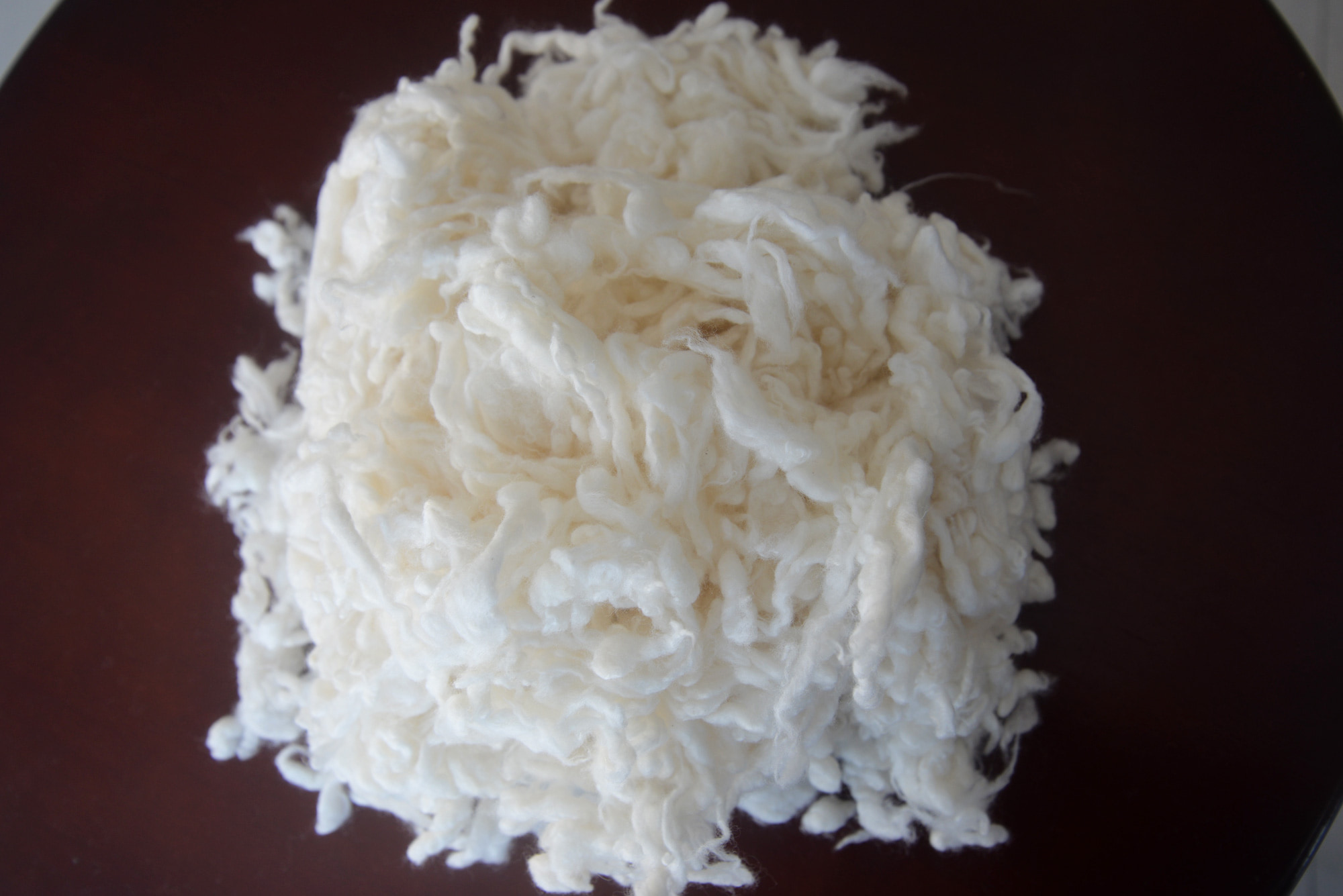
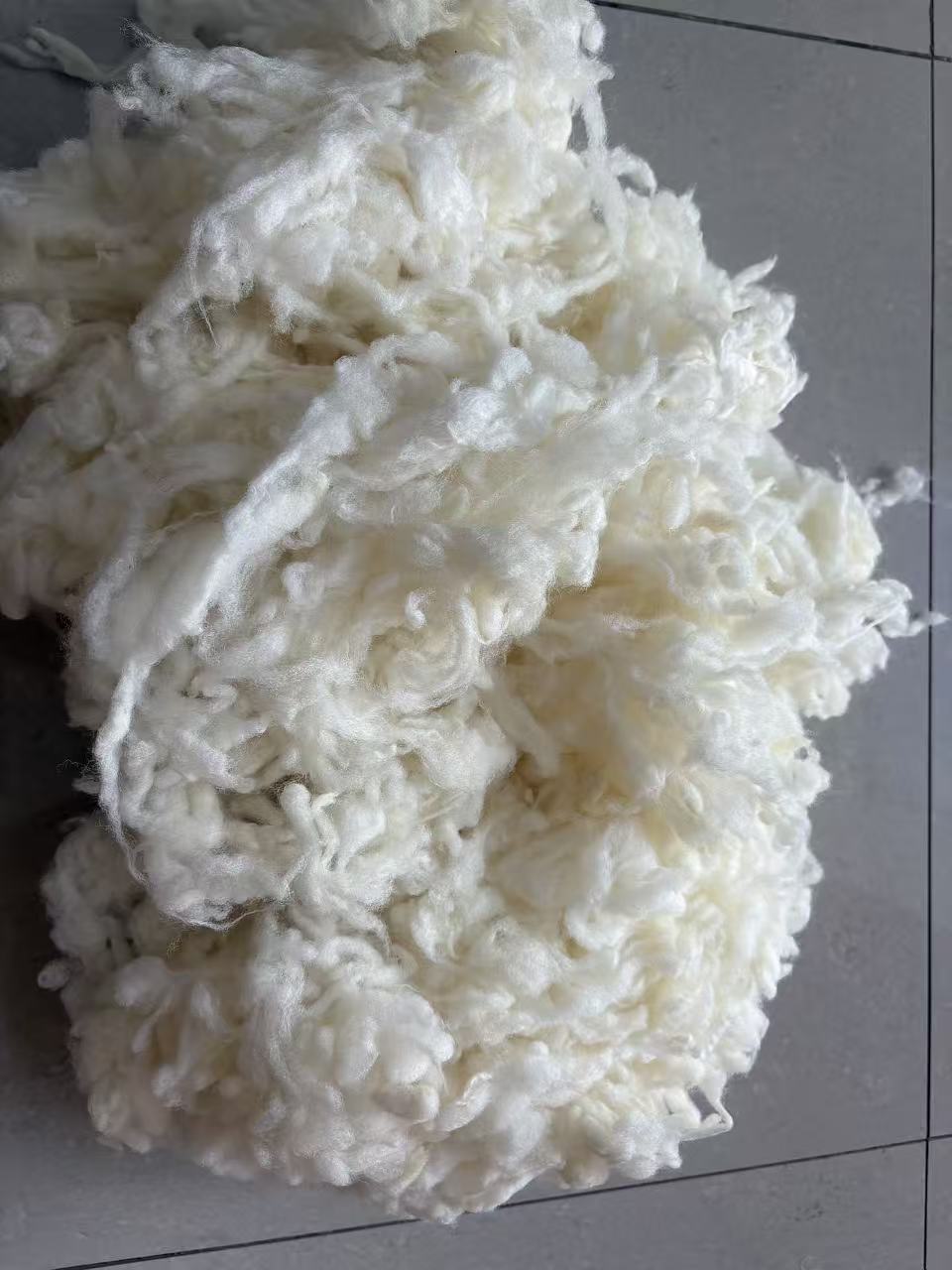
Lana carbonizada occupies a critical position in the global processed wool supply chain. For procurement managers, textile manufacturers, and industrial buyers, sourcing the right grade of carbonised wool directly impacts downstream processing efficiency, product quality, and compliance obligations. This guide provides a structured technical and commercial overview of carbonised wool — from the chemistry of the carbonisation process to grading benchmarks, end-use applications, and supplier evaluation criteria.
Whether you are qualifying a new carbonised wool supplier, benchmarking specifications against your current inputs, or entering the processed wool market for the first time, this resource is designed to support precise, evidence-based purchasing decisions. Key topics covered include fibre integrity post-processing, micron and yield specifications, REACH and OEKO-TEX compliance considerations, and the cost dynamics that influence pricing at industrial scale. By the end of this guide, buyers will have a clear framework for evaluating carbonised wool quality and selecting a reliable long-term supply partner.
1. What Is Carbonised Wool? Process & Technical Overview
1.1 The Carbonisation Process Explained
Carbonisation is a controlled chemical processing method applied to raw or scoured wool to eliminate vegetable matter (VM) — including burrs, seeds, grass, and plant debris — that becomes mechanically entangled in the fleece during grazing. The presence of VM in unprocessed wool creates significant problems in downstream spinning and felting operations, causing fibre breakage, machine downtime, and inconsistent yarn quality.
The process follows a defined sequence of stages:
- Acid Impregnation: Wool is saturated with a dilute sulphuric acid solution (typically 5–7% concentration). The acid selectively attacks cellulosic vegetable matter without immediately degrading the keratin protein structure of wool fibres.
- Drying & Baking: The acid-impregnated wool passes through a drying oven, where elevated temperatures (approximately 100–110°C) cause the acid to concentrate and char the VM into brittle carbon residue.
- Crushing & Dusting: Carbonised VM fragments are mechanically crushed and separated from the wool using rollers and dusting machines, removing the majority of plant residue.
- Neutralisation: Residual acid is neutralised using an alkaline wash (typically sodium carbonate or ammonia-based solutions) to restore the wool’s pH balance and protect fibre integrity.
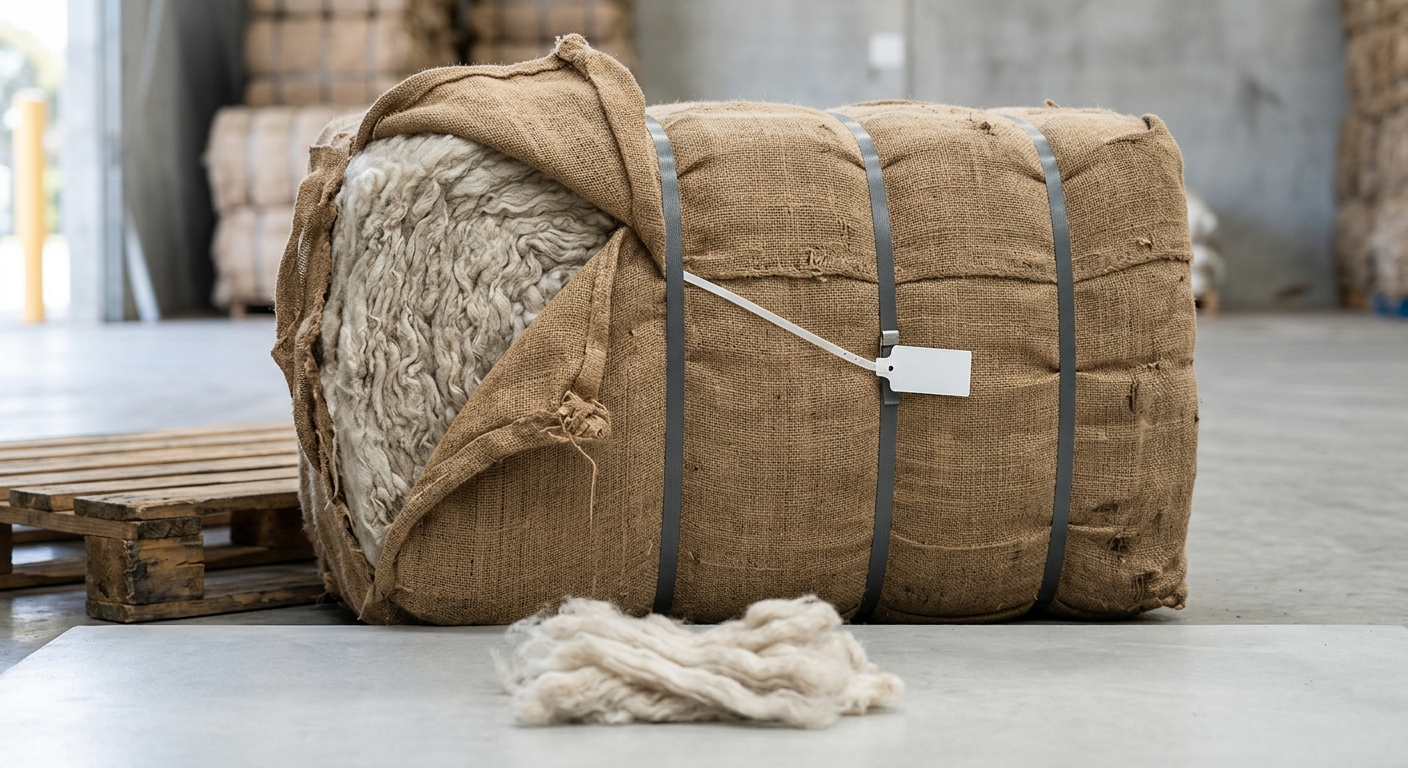
- Drying & Finishing: The wool is dried to target moisture regain levels, then baled for dispatch.
The efficiency of carbonisation depends on precise acid concentration, temperature control, and dwell time. Poorly managed processes result in fibre tendering — a weakening of the keratin structure — which directly reduces spinning performance and increases fibre breakage rates during processing.
1.2 Quality Indicators & Fibre Integrity Post-Processing
Post-carbonisation quality assessment focuses on three core indicators:
- Fibre Strength Retention: Measured by staple strength (N/ktex), this indicates how well the keratin structure has survived acid exposure. High-quality carbonised wool should retain at least 85–90% of the tensile strength benchmarks for its micron grade.
- Residual Acid Neutralisation: pH levels should fall within the range of 6.5–7.5 post-neutralisation. Residual acidity accelerates fibre degradation during storage and causes dye uptake irregularities in downstream processing.
- Yield Rate: Carbonisation yield — the percentage of clean fibre recovered relative to input weight — is a direct measure of processing efficiency and raw material quality. Industry benchmarks typically range from 70% to 85% depending on initial VM content and fleece origin.
Buyers should request fibre test reports from accredited laboratories (e.g., AWTA, Intertek) as part of standard supplier qualification.
2. Technical Specifications & Grading Standards
2.1 Key Parameters: Micron, Yield & Vegetable Matter Content
Carbonised wool is graded primarily by fibre diameter (micron), residual VM content, scouring yield, and moisture regain. These parameters determine suitability for specific end-use applications and directly influence processing performance.
| Grade / Type | Micron Range (µm) | VM Content (% max) | Scouring Yield (%) | Typical Application | Certifications |
|---|---|---|---|---|---|
| Fine Carbonised | 18–22 µm | ≤0.5% | 78–85% | Fine woollen spinning, luxury blends | REACH, OEKO-TEX |
| Medium Carbonised | 22–26 µm | ≤1.0% | 74–82% | Woollen spinning, felt, blankets | REACH |
| Coarse Carbonised | 26–32 µm | ≤1.5% | 70–78% | Technical textiles, insulation, geotextiles | Country-of-origin docs |
| Reprocessed / Noil | 18–30 µm (blended) | ≤2.0% | 65–75% | Industrial felt, padding, acoustic panels | Variable |
Moisture regain for carbonised wool is typically specified at 16–17% (standard conditioning), consistent with natural wool’s hygroscopic properties. Buyers should verify moisture content at point of delivery, as excess moisture inflates bale weight and increases storage risk.
Residual VM content below 0.5% is the accepted threshold for fine woollen spinning applications. Coarser industrial grades tolerate higher VM levels where downstream processing can accommodate residual contamination.
2.2 Compliance & Certification Requirements
Buyers sourcing carbonised wool for European and North American markets face a defined compliance landscape:
- REACH Regulation (EC 1907/2006): Suppliers must confirm that no restricted substances — including residual processing chemicals — are present above threshold limits. Sulphuric acid residuals and neutralisation agents fall within scope. Request a full substance declaration or Safety Data Sheet (SDS) for processing chemicals used.
- OEKO-TEX Standard 100: Relevant where carbonised wool enters consumer-facing textile products. Certification confirms absence of harmful substances at levels detectable in finished goods. Not all industrial grades require this, but buyers supplying apparel or home textiles should prioritise certified inputs.
- Country-of-Origin Traceability: Increasingly required by buyers under due diligence frameworks (e.g., EU Corporate Sustainability Due Diligence Directive). Suppliers should provide documented fleece origin, processing location, and chain-of-custody records.
- Buyer Audit Requirements: Large-scale procurement programmes typically require supplier facility audits, batch test reports, and ISO 9001-aligned quality management documentation.
3. Industrial & Textile Applications
3.1 Primary End-Use Sectors
Carbonised wool serves a broad range of industrial and textile manufacturing sectors, with applications determined primarily by fibre diameter and residual VM content:
- Woollen Spinning: The largest end-use segment. Carbonised wool provides a clean, processable input for ring and open-end spinning systems producing woollen-spun yarns for knitwear, blankets, and upholstery fabrics.
- Felt Manufacturing: Both needle-punched and woven felt production rely heavily on carbonised wool for consistent fibre entanglement and density. Coarser grades are standard inputs for industrial felt used in machinery, filtration, and sealing applications.
- Technical Textiles: Geotextiles, automotive interior components, and vibration-dampening materials utilise carbonised wool’s natural resilience and thermal stability.
- Acoustic & Thermal Insulation Panels: Wool’s inherent acoustic absorption and thermal resistance properties make carbonised wool an effective core material for building insulation boards and acoustic baffles, particularly in sustainable construction applications.
- Blended Yarn Production: Carbonised wool is frequently blended with recycled fibres, synthetic staples, or other natural inputs to achieve target cost-performance ratios in medium-quality yarn production.
3.2 Advantages Over Alternative Processed Wool Inputs
Compared to raw greasy wool or scoured (but not carbonised) wool, carbonised wool delivers measurable operational advantages:
- Reduced VM Contamination Risk: Eliminates the primary cause of machine stoppages and yarn faults in woollen mills processing VM-heavy fleeces.
- Improved Cost-Per-Clean-Fibre Ratio: Despite higher processing costs relative to greasy wool, carbonised wool’s higher effective yield and reduced downtime typically result in a lower total cost of clean fibre delivered to the spinning frame.
- Blending Compatibility: Uniform VM removal and consistent micron grading make carbonised wool easier to blend reproducibly compared to scoured wool with variable VM retention.
- Throughput Efficiency: Mills processing carbonised wool inputs report higher throughput rates and reduced card waste compared to equivalent greasy wool inputs, particularly for VM-heavy Merino or crossbred fleeces.
4. Sourcing Carbonised Wool – Supplier Evaluation Criteria
4.1 What to Assess in a Carbonised Wool Supplier
Supplier qualification for carbonised wool should extend beyond price comparison. Key evaluation dimensions include:
- Processing Capacity & Infrastructure: Confirm annual processing volume, equipment condition, and ability to meet your volume requirements consistently across seasons.
- Batch Consistency: Request multi-batch test data covering micron, VM content, yield, and pH over a minimum 6-month period. Inconsistent batch performance is a leading cause of downstream quality failures.
- QC Documentation: Suppliers should provide AWTA or equivalent third-party fibre test certificates for each commercial lot. In-house testing alone is insufficient for high-value procurement.
- Lead Time Reliability: Carbonised wool processing involves multiple stages; confirm realistic lead times from order placement to dispatch, including any seasonal constraints on raw fleece availability.
- Sampling Programme: Reputable suppliers offer representative pre-shipment samples. Evaluate sample-to-bulk correlation as part of qualification.
4.2 Pricing Drivers & Supply Chain Considerations
Carbonised wool pricing is influenced by several interconnected variables:
- Raw Fleece Origin & Quality: Australian Merino, New Zealand crossbred, and South American wools carry different base price points and VM profiles, directly affecting processing cost and yield.
- Processing Cost Variables: Energy costs (drying and baking stages are energy-intensive), acid consumption, and neutralisation chemical costs contribute significantly to ex-works pricing.
- Seasonal Availability: Southern Hemisphere shearing seasons (primarily spring) create predictable supply cycles. Forward contracting during off-peak periods can secure more favourable pricing.
- MOQ Structures: Industrial suppliers typically operate with minimum order quantities of 1,000–5,000 kg per grade. Smaller volumes may attract premium pricing or require consolidation with other buyers.
- Currency & Logistics: For internationally sourced carbonised wool, exchange rate exposure and freight cost volatility (particularly container shipping) should be factored into total landed cost calculations.
Preguntas frecuentes
Q1: What is the typical VM content acceptable in carbonised wool for fine woollen spinning applications?
For fine woollen spinning — particularly for apparel-grade yarns — the accepted maximum residual VM content is ≤0.5%. Above this threshold, VM fragments cause yarn faults, increase card waste, and reduce fabric quality. Buyers should specify VM content as a contractual parameter and require third-party test certification per lot.
Q2: How do I verify that a carbonised wool supplier meets REACH or other chemical compliance standards?
Request a written declaration of compliance with REACH Regulation (EC 1907/2006), including a list of processing chemicals used and confirmation that no SVHC (Substances of Very High Concern) are present above threshold concentrations. For consumer textile applications, OEKO-TEX Standard 100 certification provides an additional verified layer of chemical safety assurance.
Q3: What minimum order quantities (MOQs) should I expect when sourcing carbonised wool at industrial scale?
Most established carbonised wool suppliers operate with MOQs in the range of 1,000–5,000 kg per grade per order. Larger processors may require 10,000 kg+ for bespoke processing runs. Buyers with lower volume requirements should explore wool trading intermediaries who consolidate orders across multiple buyers to meet processor MOQ thresholds.
Conclusión
Carbonised wool represents a technically refined, commercially efficient input for a wide range of industrial and textile manufacturing applications. Its value lies in the precision of the carbonisation process — when executed correctly, it delivers clean, consistent, high-yield fibre that outperforms raw or scoured alternatives in downstream processing efficiency and product quality.
For procurement professionals, the key checkpoints are clear: verify fibre specifications against application requirements, demand third-party test certification for every commercial lot, confirm chemical compliance documentation, and assess supplier batch consistency over time rather than relying on single-sample evaluations. Pricing decisions should account for total landed cost — including yield, freight, and processing variables — rather than ex-works price alone.
Selecting a reliable carbonised wool supplier is a strategic procurement decision. Applying the evaluation framework outlined in this guide positions buyers to build resilient, quality-assured supply relationships that support long-term manufacturing performance.