はじめに
Selecting the right wool fiber is critical for textile manufacturers seeking consistent quality, efficient processing, and reliable end-use performance. カーボナイズド・ウール スーパーウォッシュ combines the cleanliness of carbonised wool with the shrink resistance of Superwash treatment, providing a more stable solution for modern wool applications.
However, different products require different fiber specifications. Understanding factors such as fiber diameter, processing performance, and application requirements helps manufacturers choose the right Carbonised Wool Superwash grade for knitwear, home textiles, and technical textiles.
What Exactly Makes Carbonised Wool Superwash Different from Standard Wool?
The difference starts in the processing. Standard wool goes through scouring—a basic wash that removes grease and some dirt. But vegetable matter like burrs, seeds, and plant fragments often remain trapped in the fleece. These contaminants cause downstream headaches: they break needles during spinning, create weak spots in yarn, and appear as specks in finished fabrics.
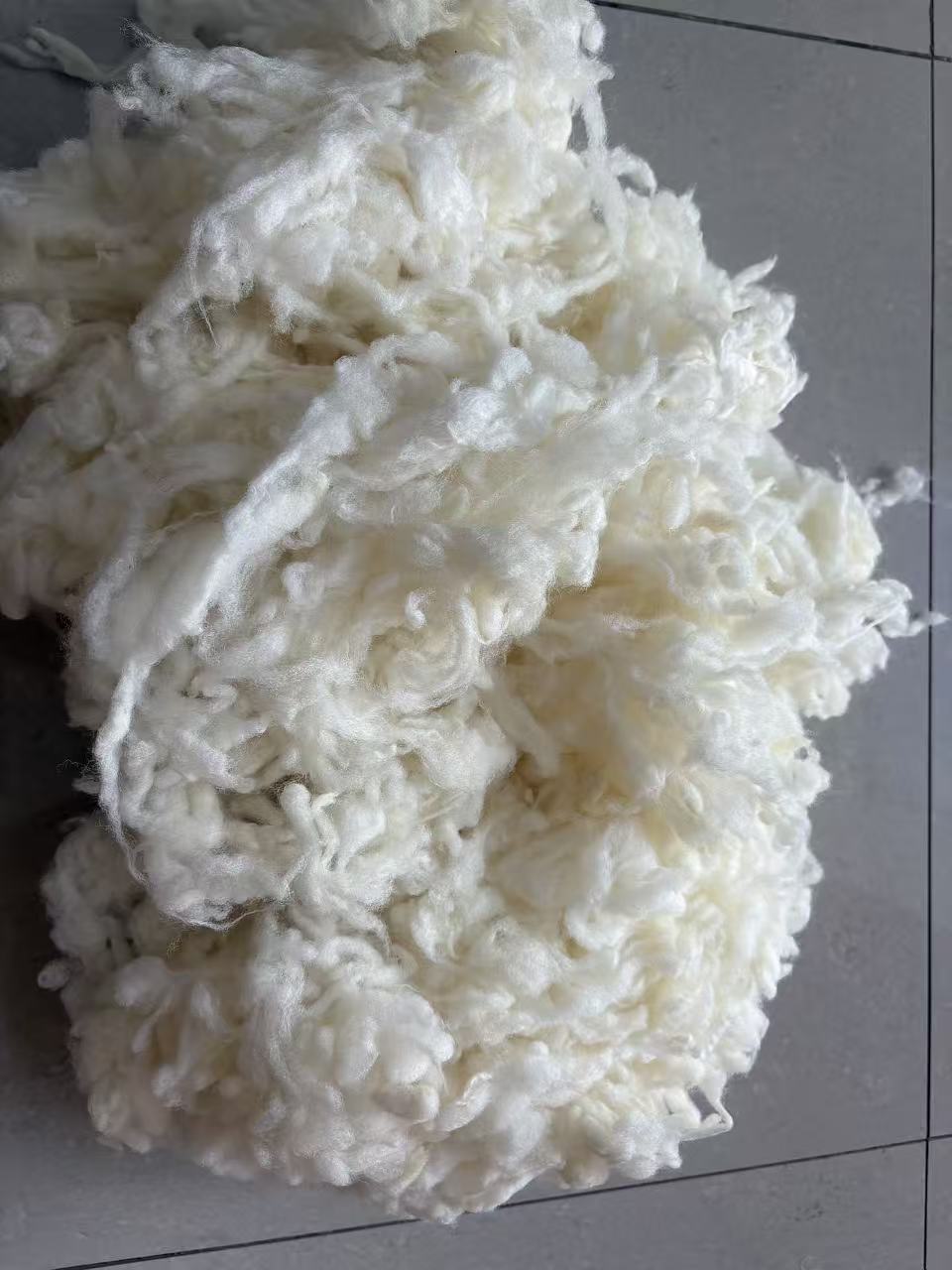
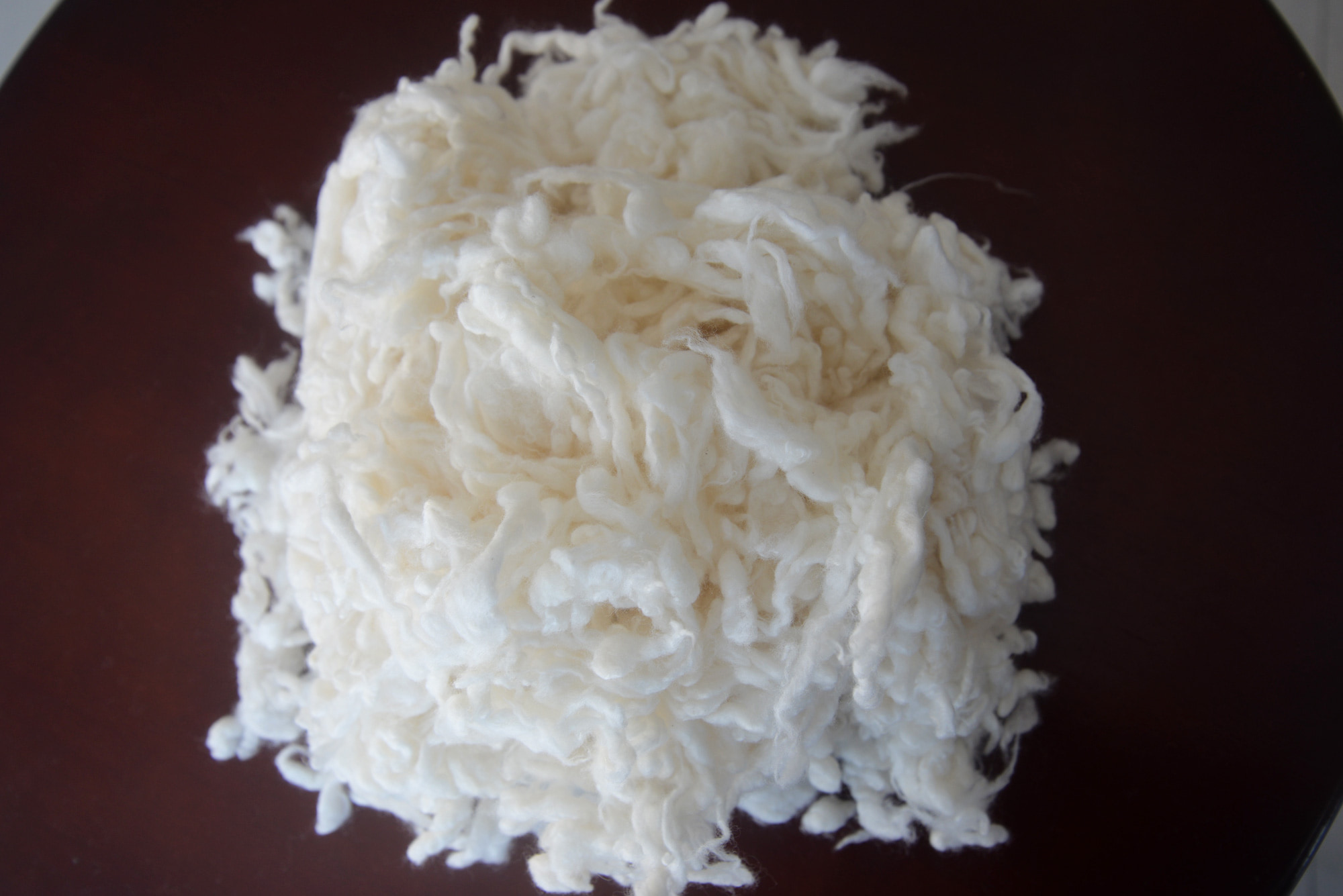
Carbonised Wool Superwash tackles this problem head-on. The carbonization process uses sulfuric acid to chemically dissolve vegetable matter, which is then baked out during drying. What remains is wool that is exceptionally pure—free from the organic debris that plagues conventional wool lots.
Then comes the Superwash treatment. This is a shrink-resistance finish that alters the wool’s scale structure, preventing the felting and matting that typically occurs when wool is agitated in water. The result is a fiber that can withstand machine washing without turning into a shrunken, felted mess.
In practical terms, this means:
Fewer processing interruptions from vegetable matter
Higher yarn strength and evenness
Garments that hold their shape after repeated washing
Consistent dye uptake without contamination spots
For textile manufacturers, these aren’t minor improvements. They translate directly to lower waste, higher throughput, and fewer customer complaints.
Which Applications Benefit Most from Carbonised Wool Superwash?
The versatility of Carbonised Wool Superwash makes it suitable for a surprisingly wide range of textile applications. But the specific requirements vary significantly across product categories.
Apparel and Knitwear
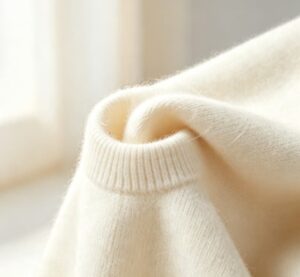
This is where Carbonised Wool Superwash truly shines. Sweaters, cardigans, scarves, and base layers all benefit from the fiber’s machine-washable properties. Consumers today expect convenience—they want wool that performs without demanding hand-washing or dry-cleaning. Superwash treatment delivers that.
The purity of carbonized fiber also matters here. In light-colored garments, even a few stray vegetable specks become glaring defects. Carbonised Wool Superwash eliminates that risk entirely. Spinners report fewer needle breaks and more consistent yarn counts when using carbonized fiber versus conventionally scoured wool.
For fine-gauge knits, the clean fiber allows for tighter spinning without the weak points that vegetable matter typically creates. The result is smoother, more durable fabrics that hold their appearance over time.
Upholstery and Home Textiles
Think about the abuse that upholstery fabric endures—friction, spills, repeated cleaning. Standard wool can felt and pill under these conditions. Carbonised Wool Superwash holds up better.
The shrink-resistance treatment means that upholstery fabrics maintain their dimensional stability even after professional cleaning or accidental spills. The carbonization process ensures that the fiber is free from the vegetable matter that can attract pests or degrade over time.
In residential and commercial settings alike, durability is non-negotiable. Carbonised Wool Superwash delivers the natural comfort and aesthetics of wool with the ruggedness that high-traffic applications demand.
Technical and Industrial Textiles
This category often gets overlooked, but it’s where Carbonised Wool Superwash demonstrates its real engineering value. Filtration media, insulation materials, and sound-dampening products all rely on wool’s unique properties—moisture absorption, flame resistance, and acoustic performance.
The consistency of Carbonised Wool Superwash is critical here. In technical applications, variability is the enemy. If one batch of fiber has different levels of vegetable contamination or different shrink characteristics, the end product’s performance becomes unpredictable. Carbonised Wool Superwash provides the batch-to-batch consistency that technical textile producers require.
How Does Carbonised Wool Superwash Compare to Regular Wool and Synthetic Alternatives?
| プロパティ | カーボナイズド・ウール スーパーウォッシュ | 標準洗浄羊毛 | Synthetic Fibers (Polyester, Acrylic) |
|---|---|---|---|
| Vegetable matter content | <0.5% | 1–5% (variable) | 0% |
| 洗濯機で洗える | はい | No (felts/shrinks) | はい |
| Moisture absorption | 30–35% of weight | 30–35% of weight | <1% |
| Flame resistance | Inherently flame-retardant | Inherently flame-retardant | Melts/burns |
| Spinning consistency | 高い | 中程度 | 高い |
| Biodegradability | はい | はい | いいえ |
| Static buildup | 低い | 低い | 高い |
The table tells a clear story. Carbonised Wool Superwash combines the natural advantages of wool—moisture management, flame resistance, and biodegradability—with the processing consistency and washability that synthetic fibers are known for.
Where standard wool falls short is in predictability. A lot of scoured wool might contain 3% vegetable matter; the next lot might contain 5%. That variability forces manufacturers to constantly adjust processes, eating into productivity. Carbonised Wool Superwash eliminates that variable.
Where synthetics fall short is in comfort and sustainability. Polyester doesn’t breathe like wool. Acrylic doesn’t absorb moisture. And neither breaks down at the end of its life. For manufacturers facing pressure to reduce their environmental footprint, Carbonised Wool Superwash offers a compelling alternative.
What Should You Look for When Evaluating Carbonised Wool Superwash Grades?
Not all Carbonised Wool Superwash is the same. The grade you choose should align with your specific application requirements. Here are the key parameters to evaluate:
Fiber Diameter (Micron Count)
This is the single most important factor for end-use performance. Finer fibers (below 21 microns) produce softer, more luxurious fabrics suitable for next-to-skin apparel. Coarser fibers (24 microns and above) offer greater durability for outerwear, upholstery, and technical applications.
For baby wear or luxury knitwear, you want the finest available Carbonised Wool Superwash. For heavy-duty upholstery or industrial felts, coarser grades are both appropriate and more cost-effective.
Residual Vegetable Matter
The whole point of carbonization is to remove vegetable matter, but the degree of removal varies. Premium grades achieve less than 0.5% residual content. Lower-cost options might leave more.
For dark-colored or heavily textured fabrics, a slightly higher residual content might be acceptable. For light colors or fine-gauge knits, you want the lowest possible residual vegetable matter to avoid visual defects.
Shrinkage Performance
Superwash treatments vary in their effectiveness. Look for suppliers that provide shrinkage test data—typically measured as area shrinkage after five machine-wash cycles. Industry standards often target less than 5% shrinkage for a true Superwash performance.
Ask for test reports. A reputable supplier should be able to provide third-party or in-house testing data that demonstrates their fiber’s shrinkage performance.
Color and Brightness
Carbonization can affect wool’s natural color. Some processors over-treat the fiber, resulting in a dull or yellowish cast. Premium Carbonised Wool Superwash maintains a clean, bright appearance that takes dye evenly.
For natural or undyed products, fiber color matters even more. You want a fiber that looks good without any added colorants.
What Processing Considerations Should Manufacturers Keep in Mind?
Switching to Carbonised Wool Superwash isn’t just a material substitution—it can affect your entire production workflow. Here’s what to anticipate:
Spinning Performance
The cleanliness of Carbonised Wool Superwash translates to fewer ends-down during spinning. Spinners typically report productivity gains of 5–15% when switching from standard wool to carbonized fiber. Fewer breaks mean less downtime and higher output.
The fiber’s consistent crimp and length also contribute to more even yarns. In ring spinning, this shows up as lower yarn irregularity (CV%) and fewer thin spots.
Dyeing and Finishing
Carbonised Wool Superwash takes dye more evenly than standard wool because there are no vegetable matter particles to create resist spots. Dye uptake is more uniform, which means better color consistency across batches.
However, the Superwash treatment can affect dye affinity. Work with your dye supplier to adjust recipes if you’re switching from untreated wool. The good news is that once dialed in, the results are more predictable batch after batch.
Needle Wear in Knitting
Here’s an often-overlooked benefit: clean fiber means less abrasive wear on knitting needles. Vegetable matter acts like sandpaper, gradually wearing down needles and creating quality issues. Carbonised Wool Superwash extends needle life, reducing maintenance costs and downtime.
How Does Carbonised Wool Superwash Perform in Different End-Uses? A Quick Reference
| Application | Recommended Micron Range | Key Benefit | Critical Parameter |
|---|---|---|---|
| Fine-gauge knitwear (sweaters, base layers) | 18.5 – 21.5 μm | Softness + washability | Low residual vegetable matter |
| Mid-gauge apparel (cardigans, scarves) | 21.5 – 23.5 μm | Balance of softness and durability | Shrinkage performance |
| Outerwear (coats, jackets) | 23.5 – 25.5 μm | Durability + shape retention | Fiber strength |
| Upholstery and home textiles | 24.0 – 27.0 μm | Abrasion resistance | Shrinkage stability |
| Technical textiles (filtration, insulation) | 25.0 – 30.0 μm | Consistency + functional properties | Batch-to-batch uniformity |
This reference table gives you a starting point. But remember: application requirements overlap. A high-end upholstery fabric might demand finer fibers for a softer hand, while a budget knitwear line might use coarser fibers to control costs.
The key is to test. Run trials with different grades of Carbonised Wool Superwash before committing to a large purchase. Your production data will tell you more than any spec sheet.
Why Is Batch-to-Batch Consistency Critical for Large-Scale Production?
Here’s a scenario every textile manufacturer knows too well: you run a production batch, everything goes smoothly, and the finished fabric looks great. Then you run the next batch with the “same” wool from a different lot—and suddenly you’re fighting yarn breaks, dye variations, and quality rejects.
Inconsistent raw materials are the hidden cost that eats into margins. They force you to:
Adjust machine settings between batches
Rework or scrap defective production
Spend more time on quality control
Deal with customer complaints about color or feel variations
Carbonised Wool Superwash from a quality supplier minimizes these headaches. The carbonization process itself removes a major source of variability—vegetable matter content. The Superwash treatment adds another layer of consistency by standardizing shrink performance.
When you’re producing thousands of garments or meters of fabric, this consistency isn’t a luxury. It’s a competitive necessity.
What About Sustainability? Does Carbonised Wool Superwash Fit Modern Environmental Standards?
This question matters more every year. Textile buyers—both consumers and corporate procurement teams—increasingly demand sustainable materials. Here’s how Carbonised Wool Superwash stacks up:
Biodegradability. Unlike synthetics, wool is a natural protein fiber that breaks down at the end of its life. Carbonised Wool Superwash remains biodegradable despite the chemical treatments. The carbonization and Superwash processes don’t render the fiber permanent; it still returns to the soil.
Chemical use. The carbonization process does use sulfuric acid, which raises environmental concerns. However, responsible manufacturers capture and neutralize acid waste streams. The industry has made significant progress in reducing the environmental footprint of wool processing.
Durability. This is sustainability’s secret weapon. A garment that lasts five years instead of two has half the environmental impact per wear, regardless of the materials used. Carbonised Wool Superwash’s durability—resistance to shrinkage, felting, and wear—extends product life, which is inherently more sustainable.
Washability at lower temperatures. The Superwash treatment allows effective cleaning at lower temperatures than untreated wool, which typically requires hand-washing or dry-cleaning. Lower wash temperatures mean less energy consumption over the garment’s life.
What Questions Should You Ask Your Carbonised Wool Superwash Supplier?
Before placing an order, have a conversation with your supplier about these specifics:
“Can you provide test data on residual vegetable matter content for your current production lots?”
This tells you whether the supplier actually monitors and controls this parameter. A supplier that can’t produce data probably isn’t managing quality tightly.
“What shrinkage performance do you guarantee after five machine-wash cycles?”
Look for a clear, measurable answer. Vague responses like “good washability” aren’t sufficient.
“What is the coefficient of variation for fiber diameter across your lots?”
This measures consistency. Lower CV means more uniform fiber.
“Can you supply samples for trial runs before we commit to a full order?”
Any serious supplier should accommodate this. Your own production data is the ultimate validation.
“What is your typical lead time and minimum order quantity?”
Practical considerations matter. You need a supplier whose capabilities match your production schedule.
Making the Right Choice for Your Application
Choosing the right Carbonised Wool Superwash grade depends on balancing fiber characteristics with your production requirements. Fine micron fibers are suitable for soft apparel, while stronger and coarser grades may better fit durable textiles and industrial applications. Factors such as residual vegetable matter, shrinkage performance, and processing consistency should also be evaluated before large-scale production.
For manufacturers, the best results come from matching the fiber specification with the final application rather than selecting based on a single performance factor. Testing samples and reviewing technical data can help ensure stable production and consistent product quality.
If you are evaluating Carbonised Wool Superwash for your textile production, our team can provide suitable fiber specifications and samples based on your application needs.