Abstract
For wool buyers, yarn manufacturers, and textile developers, choosing between regular wool and Carbonised Wool Superwash can directly affect fibre quality, production efficiency, and final product performance.
While traditional wool offers natural softness and warmth, it may still contain residual vegetable matter (VM) after scouring and remain prone to felting shrinkage during washing. These issues can impact spinning consistency, dyeing results, and product care requirements. Carbonised Wool Superwash combines carbonisation and superwash treatments to remove impurities and improve shrink resistance, wash durability, and processing stability.
This guide explains how Carbonised Wool Superwash is made, how it compares with regular wool, and why it is a preferred choice for applications requiring consistent quality, easy-care performance, and reliable sourcing.
1. Understanding the Dual-Process: Carbonisation + Superwash
1.1 What Is Carbonisation and How Does It Work?
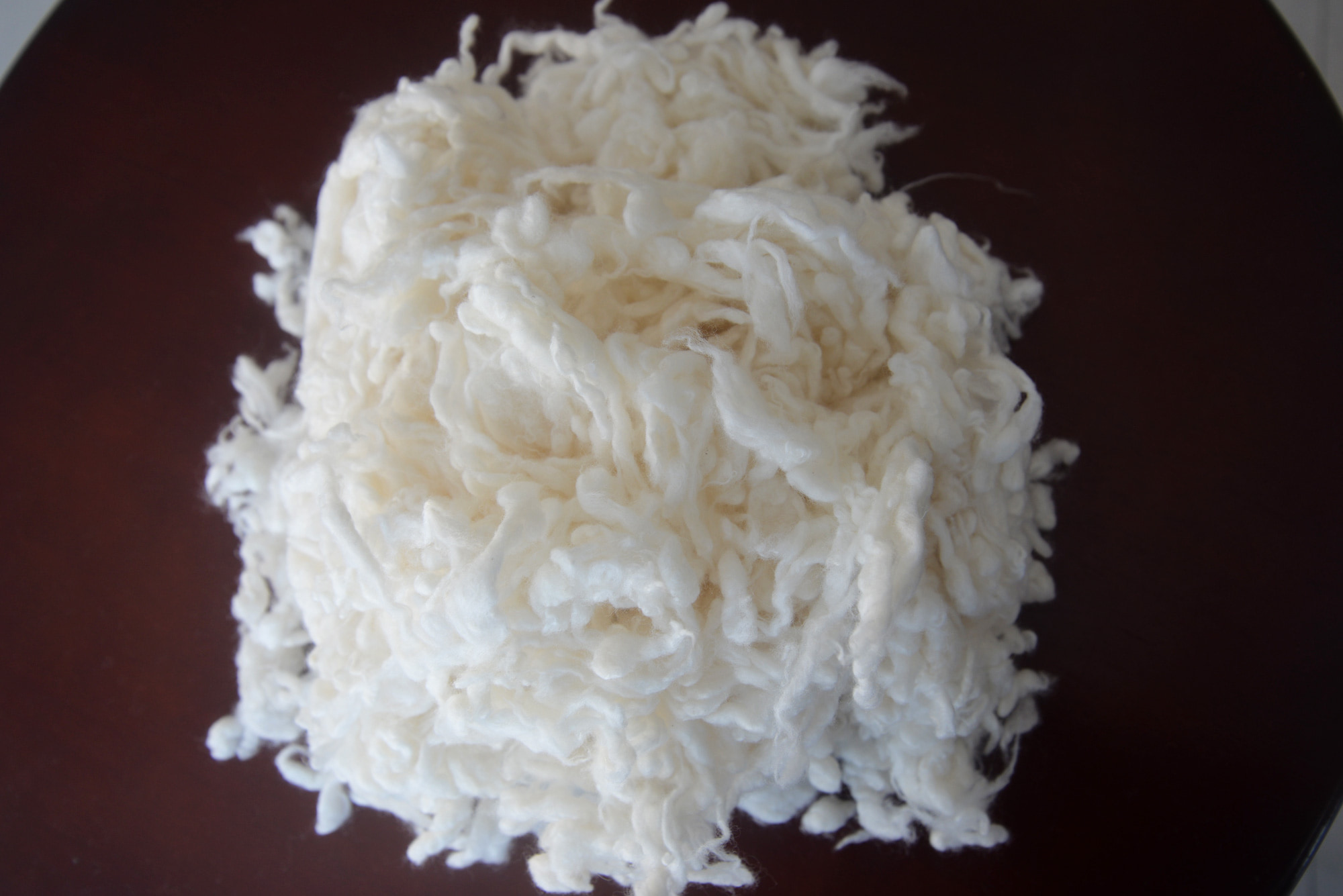
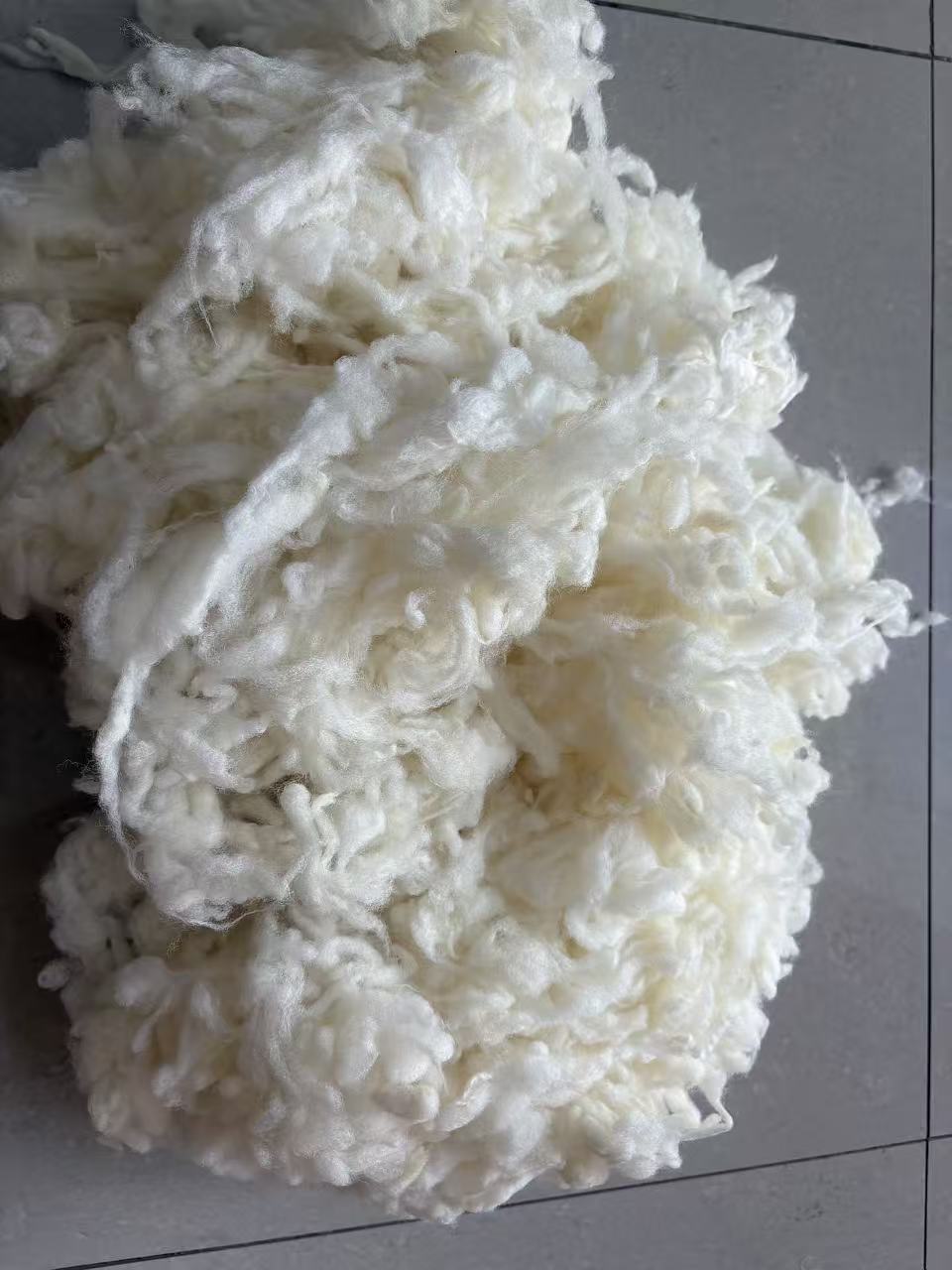
Carbonisation is an acid-treatment process used on raw or scoured wool to remove vegetable matter (VM), including seed fragments, burrs, grass, and other plant impurities that cannot be fully eliminated through mechanical scouring alone. During this process, wool is treated with diluted sulphuric acid, dried, and heated to convert cellulose-based impurities into brittle carbon particles. These particles are then mechanically removed, leaving the wool fibres cleaner while maintaining their natural structure.
For wool manufacturers, the main advantage of carbonisation is improved fibre cleanliness. Standard scoured wool may contain residual VM depending on the wool source, while carbonisation significantly reduces these impurities. This helps minimise processing issues during carding and spinning, improves yarn consistency, and supports more uniform dyeing results.
For fine-count yarn production, fibre purity becomes even more critical. Even small amounts of vegetable matter can affect spinning efficiency and create visible defects in finished fabrics. By removing these impurities at an early stage, carbonisation helps manufacturers achieve more stable production performance.
1.2 What Does Superwash Treatment Add?
Superwash treatment improves wool’s wash performance by reducing the fibre surface friction that causes felting and shrinkage during washing. Commercial superwash processes typically use technologies such as chlorine-based treatment with polymer coating or alternative oxidative shrink-resist methods to modify the wool surface.
The result is wool with improved dimensional stability and better resistance to shrinkage during washing. This allows manufacturers to develop easier-care wool products with machine-washable performance, which is increasingly valued in apparel and textile markets.
When combined with carbonisation, superwash treatment benefits from a cleaner and more uniform fibre surface. Reduced impurities help improve treatment consistency, allowing the shrink-resist process to perform more reliably across the entire fibre batch.
2. Carbonised Wool Superwash vs. Regular Wool: Performance Specifications
The table below compares key performance parameters across three fibre categories relevant to B2B sourcing decisions.
| Parameter | Regular Scoured Wool | Superwash Wool (Non-Carbonised) | Carbonised Wool Superwash |
|---|---|---|---|
| Vegetable Matter Content | 0.5–2.0% | 0.5–1.5% | <0.3% (typically <0.1%) |
| Machine Washability | Not rated | ISO 6330 / 40°C rated | ISO 6330 / 40–60°C rated |
| Pilling Resistance | Moderate | Moderate–Good | Good–Excellent |
| Dye Uptake Consistency | Variable (VM interference) | Moderate | High (uniform surface) |
| Shrinkage Rate (5 wash cycles) | 15–30% area shrinkage | <3% area shrinkage | <3% area shrinkage |
| Suitability for Fine-Count Spinning | Limited (>Nm 30) | Moderate | High (Nm 40+) |
2.1 Fibre Cleanliness and Processing Consistency
One of the key advantages of Carbonised Wool Superwash is improved fibre cleanliness. By reducing vegetable matter (VM) content, carbonisation helps minimise processing issues such as carding waste, nep formation, and inconsistent yarn quality. Cleaner fibres also support more stable dye absorption, helping manufacturers achieve better colour consistency across production batches.
For volume buyers, batch consistency is equally important. Carbonisation is a controlled process with defined parameters, including acid concentration, temperature, and treatment time. This provides better quality control compared with mechanical scouring alone. As a result, buyers can achieve more predictable incoming material quality and improve production planning.
2.2 Durability and End-Use Performance
Superwash treatment improves wool’s resistance to shrinkage and felting, making Carbonised Wool Superwash suitable for products that require easier care and long-term performance. Compared with untreated wool, it offers better dimensional stability during washing and supports the development of machine-washable wool products.
The dual treatment process is designed to maintain the natural strength and durability of wool fibres when properly controlled. Reliable suppliers monitor key parameters such as fibre length, strength, and consistency after processing to ensure the material meets application requirements.
For buyers sourcing Carbonised Wool Superwash, reviewing fibre test reports and quality documentation can help verify performance consistency and reduce sourcing risks.
2.3 Why Does Carbonised Wool Superwash Improve Yarn Manufacturing Efficiency?
For yarn manufacturers, fibre quality directly influences production efficiency and final yarn performance. Carbonised Wool Superwash provides a cleaner and more consistent fibre base, helping reduce common processing challenges during spinning and manufacturing.
The removal of vegetable matter helps minimise interruptions caused by impurities during carding and combing processes. Cleaner fibres can also improve yarn uniformity, reduce defects, and support more stable production output, especially for fine-count yarn applications.
In addition, the combination of carbonisation and superwash treatment allows manufacturers to achieve more predictable fibre behaviour during dyeing and finishing. Better consistency between batches helps reduce adjustments during production and improves colour accuracy for large-scale textile manufacturing.
For manufacturers producing premium wool yarns, knitwear, or branded textile products, improved processing stability can translate into higher efficiency, fewer quality issues, and more reliable delivery performance.
3. Compliance, Certifications, and Supply Chain Considerations
3.1 Relevant Standards and Testing Protocols
When sourcing Carbonised Wool Superwash, buyers should consider both performance testing and compliance requirements to ensure consistent quality and market acceptance.
For superwash wool, ISO 6330 is commonly used to evaluate dimensional changes under domestic washing conditions. Buyers should also review chemical compliance requirements such as REACH regulations when sourcing wool processed with specific shrink-resist treatments, especially for products targeting the European market.
Certifications such as OEKO-TEX® Standard 100 are increasingly valued by textile brands and retailers. However, buyers should verify that the specific supplier and processing facility hold valid certification and that the treatment materials used meet relevant requirements.
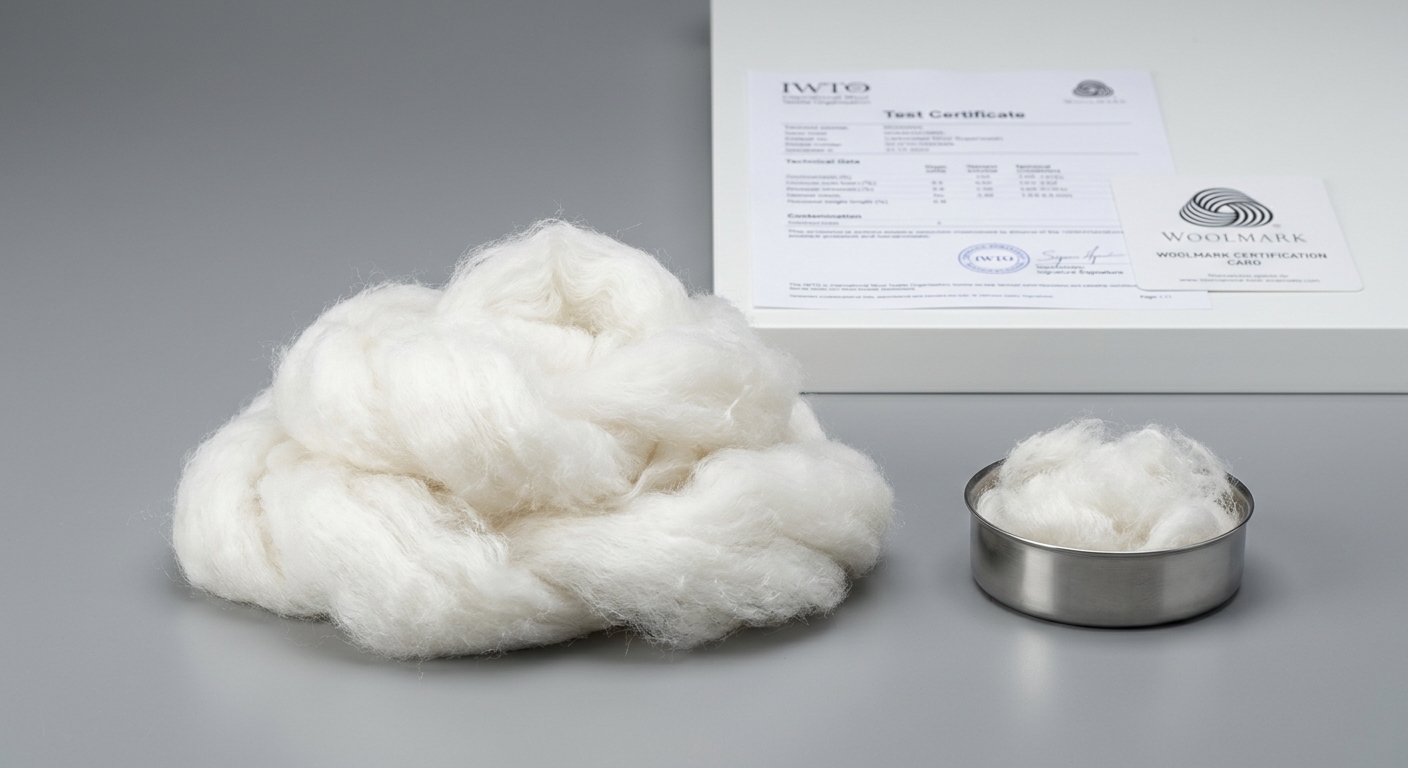
Technical testing standards from the International Wool Textile Organisation (IWTO), including tests for vegetable matter content, fibre diameter, and fibre strength, provide important references for supplier evaluation. Including key quality specifications in purchase agreements helps ensure consistent fibre performance between batches.
3.2 Traceability and Responsible Sourcing
Sustainability and supply chain transparency have become increasingly important for wool buyers, particularly brands selling in European and North American markets. Reliable sourcing requires not only product quality but also clear documentation of wool origin and processing standards.
Key documents buyers should consider include:
- Mulesing-free declarations: Confirming that wool is sourced from farms following relevant animal welfare requirements.
- Responsible Wool Standard (RWS) certification: Providing traceability from farm to processor and supporting responsible wool sourcing practices.
- Country of origin documentation: Helping brands meet customs, transparency, and supply chain reporting requirements.
When evaluating Carbonised Wool Superwash suppliers, buyers should request valid certification records, test reports, and traceability documents rather than relying only on supplier claims. This helps ensure compliance, quality consistency, and long-term supply reliability.
4. Commercial Value for Your Product Line
4.1 Applications and Target Market Fit
Carbonised Wool Superwash is widely used in product categories where softness, durability, and easy-care performance are important.
Key applications include:
- Childrenswear: Machine-washable performance helps brands create wool products that are easier to maintain, while cleaner fibres support better product quality and comfort.
- Athleisure and activewear: Fine-count wool products require strong wash durability, consistent performance, and resistance to frequent use.
- Premium knitwear: Improved fibre consistency supports more uniform dyeing results and reliable colour matching across production batches.
- Private label and branded yarn: Machine-washable wool provides added value for yarn brands serving hand-knitting, craft, and premium textile markets.
Compared with regular wool, Carbonised Wool Superwash helps manufacturers reduce common product challenges such as shrinkage issues, inconsistent appearance, and limited care options, allowing brands to develop more competitive wool products.
4.2 Cost-Benefit Perspective for Buyers
Carbonised Wool Superwash generally requires a higher investment than standard scoured wool due to the additional processing involved. However, the added value comes from improved production efficiency, product reliability, and market flexibility.
Key commercial benefits include:
- Reduced processing losses: Cleaner fibres with lower vegetable matter content can help minimise waste during carding and improve production efficiency.
- Fewer quality-related issues: Better shrink resistance and wash performance can reduce customer complaints caused by wool care difficulties.
- Stronger product positioning: Machine-washable and traceable wool products can support premium branding and meet growing market expectations for quality and sustainability.
For manufacturers and brands seeking consistent wool performance, Carbonised Wool Superwash is not only a material upgrade but also a way to improve product reliability and long-term market competitiveness.
5. How to Choose the Right Carbonised Wool Superwash Supplier?
Evaluate Fibre Quality and Testing Documentation
When selecting a Carbonised Wool Superwash supplier, buyers should first evaluate fibre quality and technical documentation. Key factors include vegetable matter content, fibre diameter, staple length, strength, and shrink-resistance performance.
Reliable suppliers should be able to provide test reports and batch information to verify that the fibre meets production requirements. Consistent documentation also helps manufacturers maintain stable quality across different orders.
Check Processing Capability and Quality Control
The performance of Carbonised Wool Superwash depends heavily on processing control. Buyers should consider whether suppliers have stable carbonisation and superwash treatment capabilities, as variations in chemical concentration, temperature control, or treatment time can affect final fibre performance.
Suppliers with strict quality control systems can help reduce batch variations and ensure more predictable results during spinning, dyeing, and manufacturing.
Confirm Certifications and Supply Reliability
For brands targeting international markets, certification and traceability are important parts of supplier evaluation. Buyers should verify relevant documents such as OEKO-TEX® certification, RWS certification, testing reports, and origin documentation when required.
In addition, factors such as production capacity, lead time, and communication efficiency should also be considered to ensure long-term supply stability.
FAQ
1. What is the acceptable VM percentage in Carbonised Wool Superwash for fine yarn production?
For spinning counts above Nm 40, VM content should be specified at below 0.3%, with best-in-class carbonised wool achieving below 0.1%. Request IWTO-8 test certificates per lot to verify compliance against your specification.
2. Does superwash chemical treatment affect the wool’s natural certifications or eco-compliance status?
Superwash treatment introduces synthetic chemistry (resin or oxidants) to the fibre surface, which affects Oeko-Tex and GOTS eligibility depending on the specific process used. GOTS-certified wool cannot undergo conventional chlorine-Hercosett superwash. Oeko-Tex Standard 100 certification is achievable with approved chemistry — confirm the processing facility’s certificate before specifying.
3. How does Carbonised Wool Superwash perform compared to regular superwash wool in high-cycle machine wash testing?
Due to the cleaner fibre surface post-carbonisation, resin adhesion in superwash treatment is more uniform, resulting in more consistent shrink-resist performance across the lot. In high-cycle testing (10+ wash cycles at 40°C), Carbonised Wool Superwash typically demonstrates lower variance in dimensional change compared to non-carbonised superwash wool, particularly in fine-count fabrics where surface irregularities are more consequential.
Conclusion
Carbonised Wool Superwash helps manufacturers and brands achieve more consistent fibre quality, improved wash performance, and easier-care wool products.
By combining carbonisation and superwash treatments, it reduces vegetable matter contamination, improves processing stability, and enhances shrink resistance compared with regular wool. These advantages make it suitable for applications such as childrenswear, premium knitwear, activewear, and branded yarn products.
Although it requires additional processing, Carbonised Wool Superwash delivers value through better production consistency, reduced quality issues, and improved product performance. When sourcing this material, buyers should evaluate fibre specifications, testing reports, certifications, and supplier reliability to ensure long-term quality.