Abstract
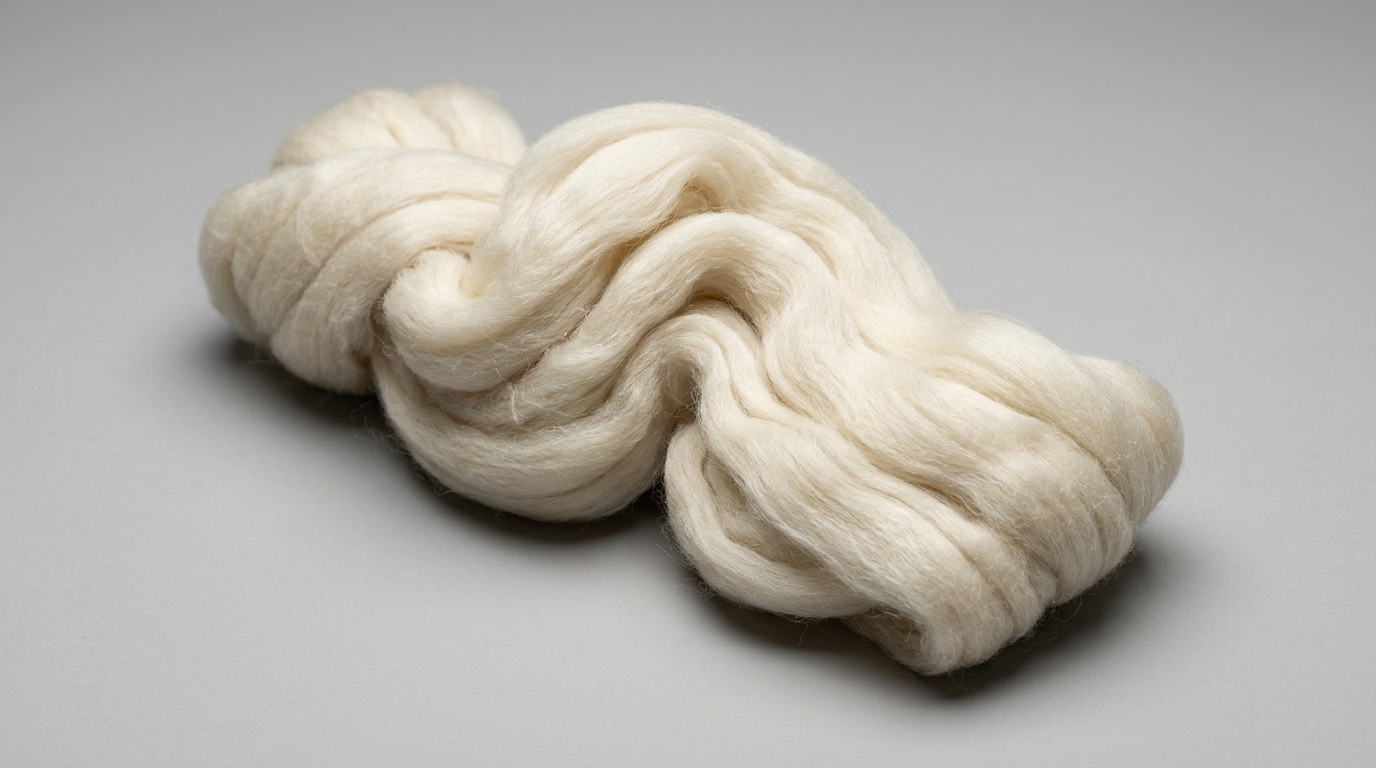
Carbonised Wool Superwash is a specially processed natural fiber that combines effective vegetable matter removal with excellent wash resistance. Through carbonisation and superwash treatments, it delivers cleaner processing, reduced felting, and reliable performance for textile applications.
This guide covers the key features, processing benefits, quality standards, and sourcing considerations of Carbonised Wool Superwash for yarn manufacturers, textile producers, and specialty fiber distributors.
What is Carbonised Wool Superwash and How is it Processed?
Carbonisation Process and Vegetable Matter Removal
The carbonisation process is an essential step in producing premium Carbonised Wool Superwash for modern textile applications. This specialized wool processing method removes vegetable matter such as seeds, burrs, and plant residues from raw wool, creating a cleaner wool fiber with improved consistency for spinning and yarn manufacturing.
During carbonisation, controlled chemical treatment breaks down vegetable impurities while preserving the natural strength and softness of the wool fiber. By reducing unwanted contaminants, carbonised wool helps minimize yarn defects, improve carding efficiency, and support smoother processing in high-speed spinning operations.
For textile manufacturers, effective carbonisation plays a critical role in maintaining fiber quality. Poorly processed wool may contain residual vegetable matter that affects dye uniformity, increases yarn breaks, and reduces production efficiency. High-quality Carbonised Wool Superwash is manufactured through precise control of treatment conditions, ensuring reliable performance across different wool yarn and textile applications.
Superwash Treatment Technology
The superwash treatment is another key process that defines the performance of Carbonised Wool Superwash. Unlike untreated wool, which can shrink and felt during washing due to the natural scale structure of wool fibers, superwash wool undergoes surface modification to improve wash resistance and dimensional stability.
The most common superwash process combines controlled scale modification with a protective polymer coating. This treatment smooths the wool fiber surface, reduces fiber interlocking, and helps superwash wool maintain its shape after repeated washing. As a result, Carbonised Wool Superwash provides textile manufacturers with a versatile fiber solution for machine-washable yarns, technical textiles, and premium apparel production.
For buyers sourcing specialty wool fibers, the combination of carbonisation and superwash treatment offers significant advantages. Carbonised wool provides cleaner processing and improved spinning performance, while superwash technology delivers enhanced durability and easier garment care. Together, these processes make Carbonised Wool Superwash an ideal choice for yarn manufacturers, activewear brands, and specialty fiber suppliers seeking consistent quality and reliable textile performance.
Technical Specifications and Quality Standards
Fiber Properties and Performance Metrics
Carbonised wool superwash typically derives from Merino and Merino-cross breeds, yielding fiber diameters in the 18.5-24μm range—optimal for next-to-skin comfort (≤22μm) and mid-layer garment applications (22-24μm). Staple length ranges from 65-90mm, with longer staples (>80mm) commanding 15-20% price premiums due to superior drafting performance in worsted spinning systems. The dual processing sequence impacts fiber properties measurably: carbonisation reduces tensile strength by 8-12% compared to raw wool, while superwash treatment causes an additional 5-7% strength reduction, resulting in final breaking loads of 110-130 cN/tex (ASTM D1445).
Carbonised Wool Superwash vs. Standard Wool Comparison
| Property | Carbonised Superwash | Standard Scoured Wool | Standard Carbonised Wool |
|---|---|---|---|
| Shrinkage Rate (5A cycles) | <3% | 15-25% | 12-18% |
| VM Content | <0.5% | 2-4% | <0.8% |
| Washability Rating | Machine wash 40°C | Hand wash only | Hand wash recommended |
| Micron Range | 18.5-24μm | 18-32μm | 19-26μm |
| Price Index (base=100) | 185-220 | 100 | 130-150 |
Moisture regain remains at 16-18% (65% RH, 20°C), unchanged from untreated wool, preserving the fiber’s thermoregulatory advantages. However, dye uptake characteristics shift due to scale modification—superwash fibers require 10-15% higher dye concentrations to achieve equivalent color depth, particularly with acid dyes in the 2-4 pH range. This necessitates adjusted dyeing recipes in yarn manufacturing operations.
Critical testing protocols for incoming fiber verification include optical diameter analysis (OFDA 2000/4000 systems, coefficient of variation <22% for uniform processing), alkali solubility testing (<8% weight loss indicating minimal chemical damage), and pH measurement of aqueous extract (6.5-7.5 range confirming complete neutralization). Buyers should request test certificates issued within 30 days of shipment, as superwash polymers can undergo hydrolysis during extended storage above 30°C.
Compliance and Certification Requirements
OEKO-TEX Standard 100 certification (Class II for direct skin contact) represents the baseline compliance requirement for carbonised superwash wool entering apparel supply chains. Testing parameters include formaldehyde content (<75ppm), extractable heavy metals (lead <1.0ppm, cadmium <0.1ppm), and organotin compounds (<1.0ppm). Superwash processing introduces specific testing priorities: AOX (adsorbable organic halogens) levels must remain below 150ppm to meet German ChemVerbotsV regulations, while residual Hercosett polymer requires verification through thermogravimetric analysis to confirm <3% coating weight.
REACH (EC 1907/2006) compliance mandates Substance of Very High Concern (SVHC) declarations for all processing chemicals. Chlorinated superwash operations must document trichloromethane (chloroform) levels in wastewater discharge, with EU facilities limited to 0.5mg/L effluent concentration. Suppliers transitioning to plasma or enzymatic methods gain competitive advantage in markets with stringent halogen restrictions, particularly Scandinavian retail chains enforcing precautionary chemical policies.
Animal welfare certifications increasingly influence procurement decisions: Responsible Wool Standard (RWS) verification covers farm-level practices including mulesing prohibition and land management protocols, while ZQ Merino certification adds fiber traceability through DNA testing. These certifications typically add $0.80-1.50/kg to raw wool costs but provide brand differentiation in premium market segments. Testing methodology references include ASTM D1234 for fiber fineness, IWTO-28 for vegetable matter quantification, and ISO 2062 for single fiber tensile properties.
Commercial Applications and Market Positioning
Target Industries and Use Cases
Carbonised Wool Superwash is widely used across specialty fiber markets, yarn production, and technical textile applications due to its combination of cleaner processing, shrink resistance, and reliable fiber performance. By removing vegetable matter and improving washability, this advanced wool fiber helps manufacturers achieve higher consistency in both spinning and finished products.
In the hand-spinning and fiber arts sector, Carbonised Wool Superwash is valued for its clean appearance, easy preparation, and machine-wash performance. The reduced vegetable matter content minimizes manual fiber preparation, making it an attractive option for craft fiber distributors and specialty wool retailers serving spinners and independent makers.
For industrial yarn manufacturers, carbonised wool provides improved processing efficiency during carding and spinning. The cleaner fiber structure helps reduce yarn defects, while superwash treatment enables the production of machine-washable wool yarns for socks, knitwear, and performance apparel. Many textile manufacturers also blend superwash wool with synthetic fibers such as nylon or polyester to create durable yarns with enhanced moisture management and abrasion resistance.
Activewear and outdoor apparel brands are increasingly adopting Carbonised Wool Superwash for merino wool blends and technical clothing applications. Its resistance to felting and shrinkage allows wool-based garments to withstand regular washing while maintaining comfort, shape retention, and long-term performance.
Supply Chain Considerations for B2B Buyers
When sourcing Carbonised Wool Superwash, buyers should evaluate supplier capabilities beyond product pricing. Factors such as minimum order quantities, production capacity, lead times, packaging methods, and quality control procedures directly affect supply reliability.
Depending on processing scale, wool processors may offer different order options, from smaller specialty batches to large-volume industrial supply. Yarn manufacturers and textile producers should confirm whether suppliers can provide consistent micron grades, stable fiber properties, and traceable production records for long-term cooperation.
Packaging also plays an important role in maintaining carbonised wool quality during transportation and storage. Bulk fiber bales are commonly used for large-scale spinning operations, while smaller packaged formats are suitable for specialty distributors and craft fiber markets. Proper handling helps preserve fiber cleanliness, softness, and processing performance throughout the supply chain.
Price variations for Carbonised Wool Superwash are influenced by factors such as wool origin, fiber micron, processing technology, and market conditions. Buyers should consider total value, including fiber consistency, reduced processing losses, and reliable supply support, rather than focusing only on initial purchase price.
Sourcing and Procurement Guidelines
Quality Assessment Checklist
Selecting a reliable Carbonised Wool Superwash supplier requires careful evaluation of fiber quality, processing standards, and documentation. Buyers should review sample quality, production consistency, and laboratory testing results before committing to larger orders.
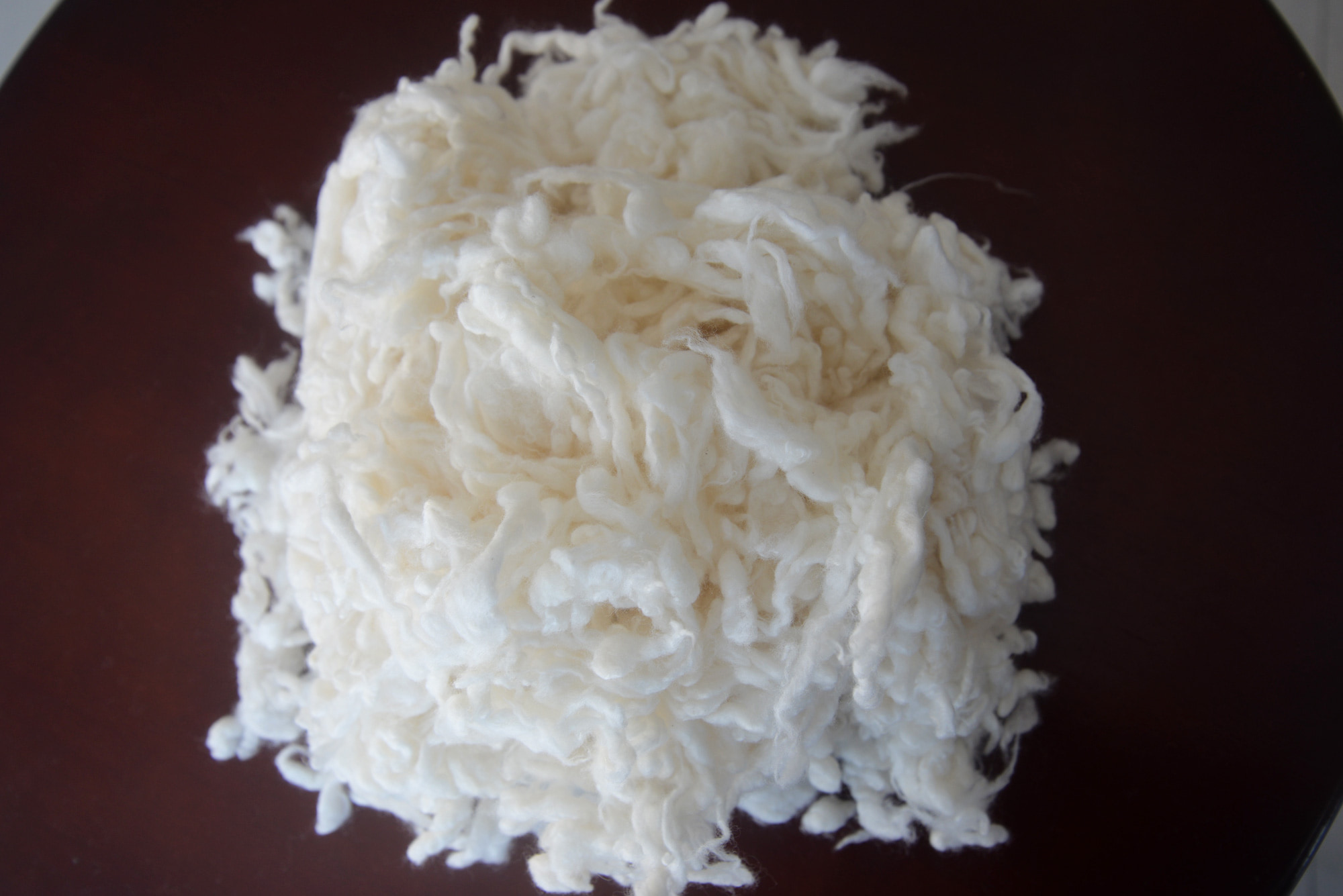
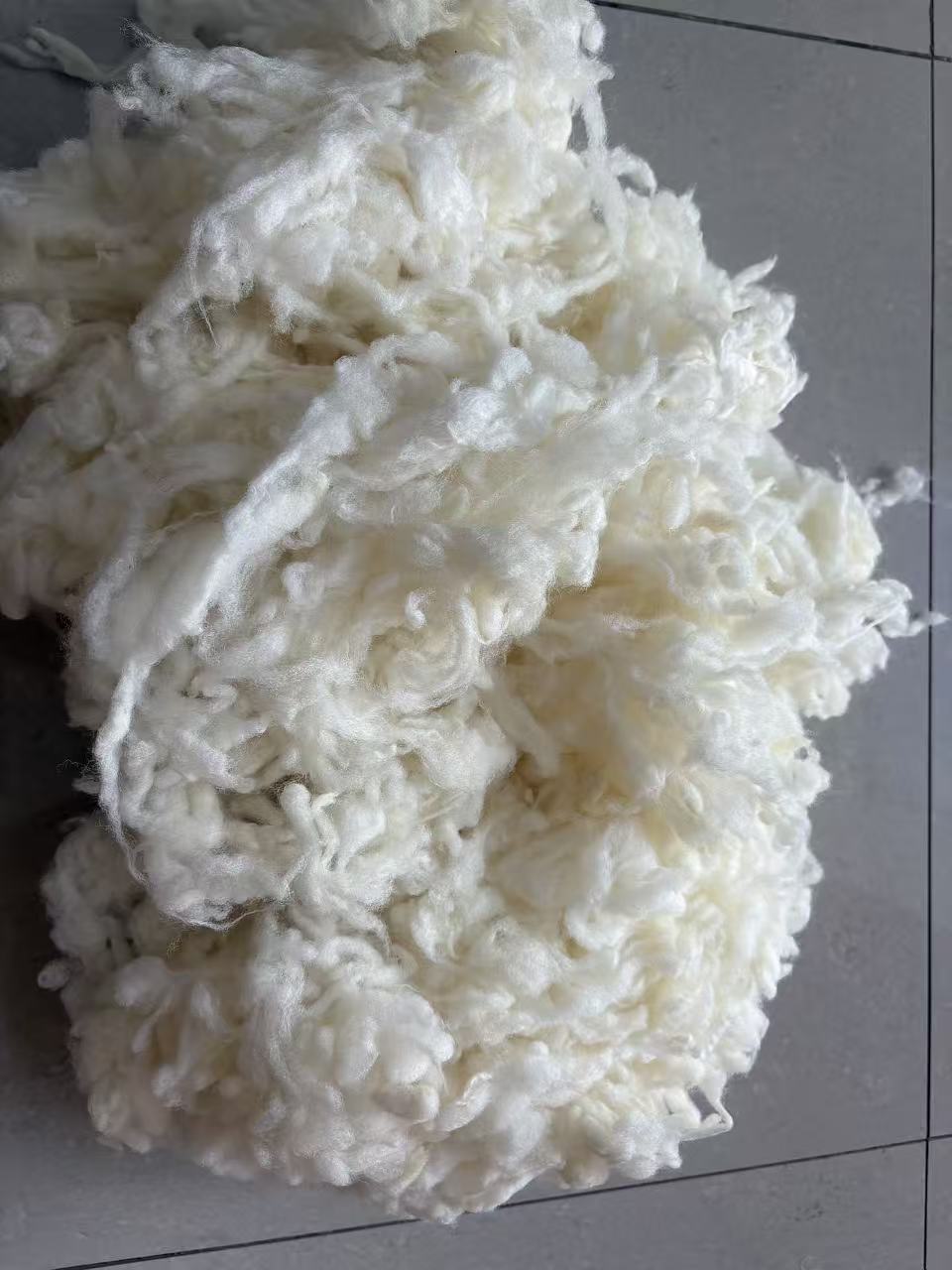
Visual inspection should focus on fiber cleanliness, color uniformity, and overall appearance. High-quality Carbonised Wool Superwash should have a consistent natural tone without visible impurities, discoloration, or processing defects. Sample testing can help verify fiber strength, softness, and suitability for specific yarn or textile applications.
Laboratory verification is also essential for confirming key quality indicators, including pH balance, residual chemical levels, shrink resistance, and fiber performance after washing. These tests help ensure that the wool fiber meets the requirements of apparel manufacturers, yarn producers, and specialty textile applications.
Supplier evaluation should also include quality management systems, environmental practices, and traceability capabilities. Manufacturers with documented production control, reliable testing procedures, and transparent sourcing records can provide greater confidence for long-term B2B partnerships.
FAQ Module
Q1: What is the typical shrinkage rate of carbonised wool superwash after 50 wash cycles?
Premium carbonised superwash wool maintains <3% dimensional change through 50 standard wash cycles (ISO 6330 method 5A: 40°C, normal mechanical action, tumble dry). This stability results from permanent scale modification during superwash treatment, unlike temporary shrink-resist finishes that degrade after 10-15 washes. Industrial testing shows felting resistance persists beyond 100 cycles when polymer coating remains intact, though fiber softness may increase 8-12% due to gradual cuticle wear. Buyers specifying garments requiring 50+ launderings should request extended wash testing certificates and verify polymer durability through thermogravimetric analysis showing <15% coating weight loss after accelerated aging.
Q2: Can carbonised superwash wool be blended with synthetic fibers for industrial spinning?
Carbonised superwash wool blends successfully with polyamide (nylon), polyester, and polypropylene in ratios from 50/50 to 80/20 wool/synthetic. The carbonisation process removes vegetable matter that would otherwise create differential shrinkage in blended yarns, while superwash treatment equalizes felting behavior between natural and synthetic components. Optimal blending occurs at the sliver stage using draw frames with 4-6 passages to achieve CV% <3% for component distribution. Synthetic staple length should match wool staple (±10mm tolerance) to prevent fiber migration during spinning. Ring-spun blends achieve yarn strengths of 180-220 cN/tex at 28-32 twist multiplier, suitable for sock knitting and technical textile applications requiring 300+ laundry cycles.
Q3: What is the price premium of superwash-treated carbonised wool compared to standard carbonised wool?
Superwash treatment adds $8-12/kg to carbonised wool costs, representing 35-45% premium over standard carbonised fiber. This differential reflects chemical costs ($2-3/kg for chlorine and Hercosett polymer), additional processing time (6-8 hours for chlorination and resin application), wastewater treatment expenses ($1.50-2/kg for AOX removal), and quality testing requirements. Market pricing shows 18.5-21μm carbonised superwash wool trading at $28-35/kg FOB (Australian origin), versus $18-23/kg for equivalent carbonised-only fiber. The premium narrows to 25-30% for coarser micron counts (23-25μm) used in outerwear applications. Buyers purchasing 500kg+ volumes quarterly can negotiate 8-12% volume discounts, while annual contracts with fixed-price clauses (±5% AWEX indicator adjustment) provide budget certainty against wool market volatility.
Conclusion
Carbonised wool superwash delivers quantifiable performance advantages for B2B textile operations requiring VM-free, machine-washable natural fiber. Procurement success depends on verifying dual-process quality through laboratory testing (pH neutrality, residual chemical levels, shrinkage resistance), validating supplier compliance frameworks (OEKO-TEX, REACH, animal welfare certifications), and structuring supply agreements that balance MOQ flexibility with price stability. The 85-120% premium over standard scoured wool reflects specialized processing infrastructure and stringent quality control, justified by downstream benefits including reduced spinning breaks, eliminated garment care restrictions, and expanded market positioning in technical textile segments. Buyers should prioritize suppliers offering transparent lot traceability, third-party test certification, and willingness to provide 500g-1kg samples for pilot spinning trials before committing to production volumes.