Introduction
If you have ever run your fingers across a batch of carbonised wool and felt a rough, scratchy, or brittle texture, you’re not alone. This is a frustratingly common issue in the textile industry. Why does the same chemical process produce such wildly different results?
The answer comes down to process control. Done right, carbonised wool is clean, soft, and ready for high-end spinning. Done poorly, the fiber degrades, leading to wasted material, production delays, and unhappy customers. Understanding the root causes of this brittleness is the first step toward avoiding it.
What is carbonised wool, and why does it matter?
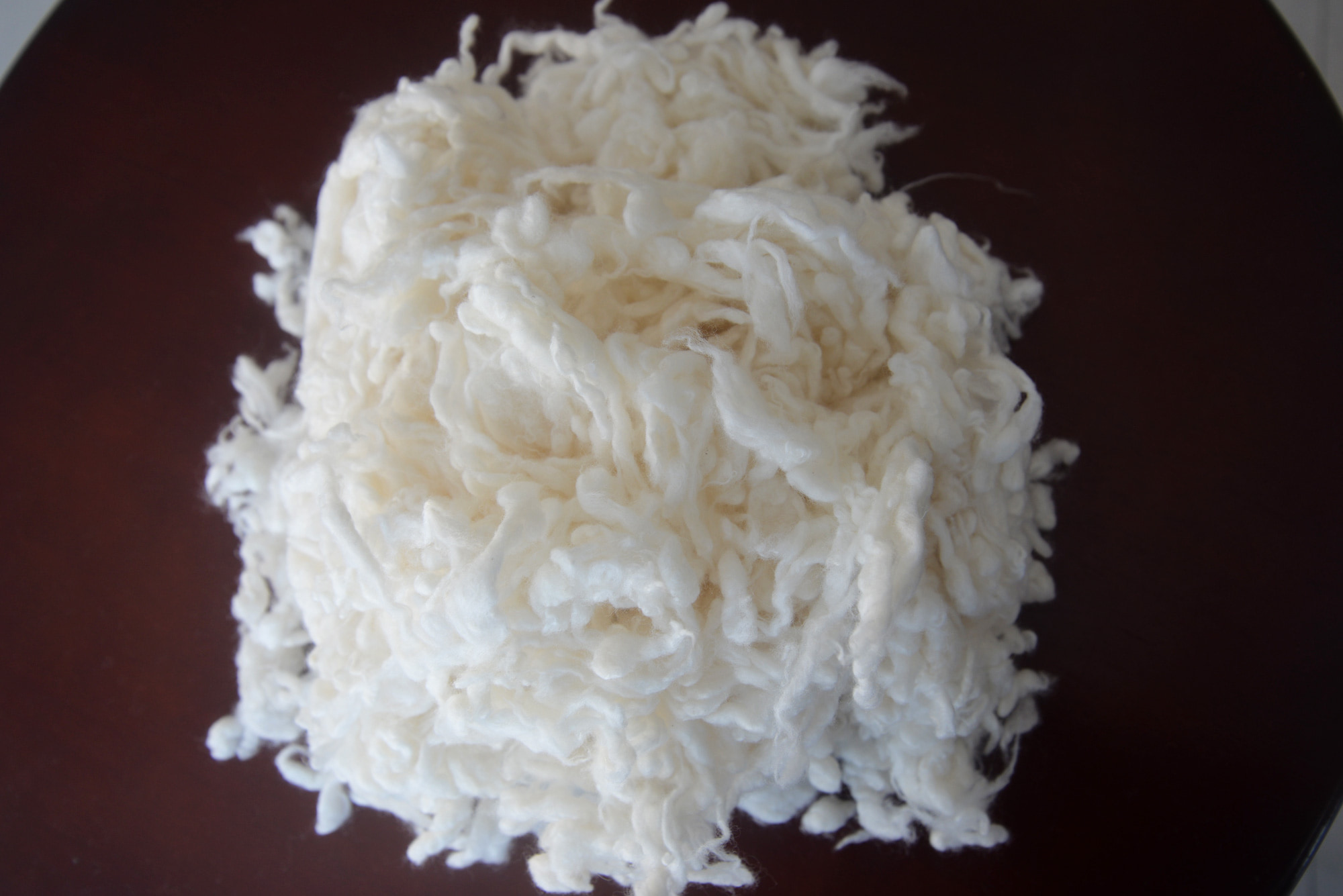
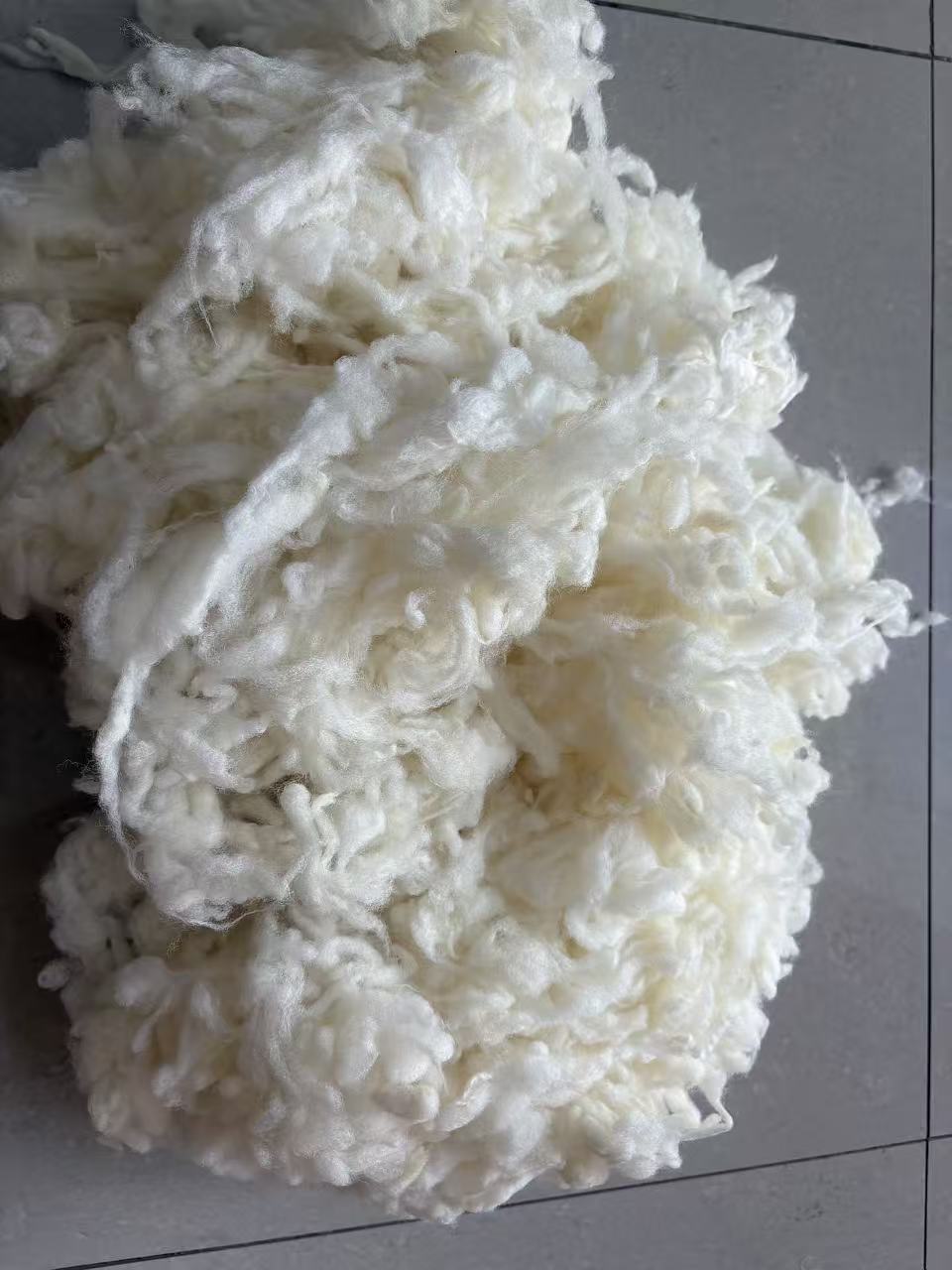
Before we dig into the problems, let us clarify what we are actually talking about. Carbonised wool is wool that has undergone an acid‑based chemical treatment to remove vegetable matter (VM) such as burrs, seeds, grass, and other plant debris that gets caught in the fleece during grazing. The process exploits a fundamental chemical difference: cellulose (the main component of vegetable matter) is vulnerable to mineral acids, while wool protein (keratin) is relatively resistant.
When sulfuric acid is applied and the wool is heated, the vegetable matter dehydrates and turns into brittle carbon that can be mechanically crushed and removed. What remains is clean wool, free from the specks and imperfections that would otherwise ruin finished textiles. Carbonization is particularly important for wools with high vegetable matter content—typically above 2‑3%—because mechanical removal alone cannot produce a speck‑free product. The process has been used commercially for decades and remains the standard method for cleaning contaminated wool.
However, the same acid that dissolves vegetable matter can also damage the wool fiber itself if the process is not carefully controlled. That is why some batches emerge soft and resilient, while others come out harsh and brittle.
Comparison: well‑processed vs poorly processed carbonised wool
To make the differences crystal clear, here is a side‑by‑side comparison:
| Property | Well‑processed carbonised wool | Poorly processed carbonised wool |
|---|---|---|
| Hand feel | Soft, resilient, natural | Harsh, scratchy, papery |
| Fiber strength | Retains > 90% of original tenacity | May lose 30‑50% of strength |
| Breaking elongation | Normal (30‑40%) | Reduced (< 20%) |
| Color | Creamy white to light beige | Yellowish or dull grey |
| Acid residue | < 0.1% (neutral) | Often > 0.3%, acidic odor |
| Vegetable matter content | < 1% | May still contain unremoved VM |
| Processing performance | Runs smoothly in spinning | High fly waste, frequent breaks |
| End‑product quality | Soft, durable fabric | Harsh, pilling fabric |
The three main culprits behind harsh, brittle carbonised wool
Research has identified three primary factors that govern strength loss and fiber damage during carbonization. When any of these goes wrong, the result is carbonised wool that feels harsh, brittle, and damaged.
1. Excessive acid concentration on the fiber
Acid concentration is the single most important variable in carbonization. Too little acid, and the vegetable matter will not carbonize properly. Too much acid, and the wool fiber itself begins to break down.
Here is what happens at the microscopic level. After wool is steeped in an acid solution and centrifuged, the remaining surface liquid exists as discrete droplets on the fiber surface. During the drying phase, these droplets contract and their acid concentration increases dramatically. Beneath these concentrated droplets, intercellular material is extracted from between the overlapping wool scales. The scales lift and may eventually break off entirely. Research has shown that there is a critical concentration for sulfuric acid—approximately 40%—above which the acid begins to spread aggressively across the fiber surface and cause localized damage. This damage is visible under microscopic examination and, at the macro level, manifests as a harsh, brittle hand feel.
Industry guidelines recommend that the sulfuric acid concentration in the impregnation bath during carbonization generally not exceed 3.76% (5° Bé), with immersion time kept under 5 minutes. But even within these parameters, uneven acid distribution can create localized “hot spots” where certain fibers receive far more acid than others. When that happens, the resulting carbonised wool will have variable quality—some sections feel acceptable, while others are severely degraded.
2. Improper drying and baking conditions
The drying and baking stages are where much of the damage actually occurs. Three sub‑factors come into play:
Drying temperature before baking. Research has demonstrated that drying temperatures below 70°C result in minimal weight loss from wool, even at high acid concentrations. This suggests that lower drying temperatures before baking can significantly minimize damage.
Baking temperature and duration. Baking is the stage where the actual carbonization of vegetable matter happens—the heat causes the acid to dehydrate the cellulose into brittle carbon. However, baking temperatures that are too high or durations that are too long will damage the wool fiber itself.
Moisture content during baking. If the wool is not dried sufficiently before baking, the residual moisture can cause the acid to become more concentrated and aggressive, leading to localized hydrolysis of the wool protein.
In practice, many producers try to speed up the drying or baking cycle to cut costs, but this shortcut often backfires. The result is carbonised wool that has lost its natural elasticity, feels coarse, and breaks easily when bent.
3. Inadequate neutralization and washing
After baking, the carbonized vegetable matter must be crushed and removed, and the acid remaining in the wool must be neutralized. This is typically done with an alkaline wash (e.g., sodium carbonate) followed by thorough rinsing.
If the neutralization is incomplete, residual acid remains in the fiber. Over time, this residual acid continues to attack the wool, leading to progressive degradation even after the product has left the factory. This delayed damage can turn a batch that initially seemed acceptable into a brittle, harsh mess within weeks or months. Conversely, over‑neutralization with too much alkali can also damage the wool, causing it to become yellow and weakened.
How to identify poor‑quality carbonised wool
Not all damage is visible to the naked eye, but several tell‑tale signs indicate a batch of carbonised wool has been poorly processed. Here is a quick checklist for buyers and quality control personnel:
| Observation | What it indicates |
|---|---|
| Fibers break easily when pinched and pulled | Excessive acid or over‑baking; severe strength loss |
| Rough, scratchy surface texture | Lifted scales and damaged cuticle |
| Yellowish or discolored appearance | Over‑neutralization or heat damage |
| Uneven color or speckled look | Incomplete removal of vegetable matter or uneven acid application |
| Musty or acidic odor | Incomplete neutralization; residual acid remains |
| High percentage of short fibers in the bale | Excessive brittleness causing fiber breakage during mechanical processing |
If you notice two or more of these signs, the carbonised wool is unlikely to perform well in spinning, weaving, or knitting. It will shed, pill, or simply lack the tactile quality that customers expect.
How to select high‑quality carbonised wool
The good news is that you can avoid these problems by knowing what to look for and asking the right questions. Here is a practical framework for selecting carbonised wool that feels soft and durable:
Step 1 – Check the supplier’s process control
Ask about their acid concentration, drying temperature, baking time, and neutralization protocol. A reputable supplier will have documented standard operating procedures and will regularly monitor these parameters.
Step 2 – Request test certificates
Legitimate suppliers provide mill test reports that include:
Acid content (residual acid)
pH value after neutralization
Fiber strength (tenacity) and elongation
Vegetable matter content (in %)
Color and visual uniformity
Step 3 – Perform a simple hand feel test
Take a small sample and rub it between your fingers. Good carbonised wool should feel clean, crisp, and soft—not sticky, greasy, or rough. Bend a few fibers sharply; they should recover without breaking.
Step 4 – Insist on a small trial lot.
Before committing to a large order, process a trial batch through your spinning or weaving line. This will reveal any hidden problems with breakage, dust generation, or dye uptake.
Step 5 – Look for consistent color and length
High‑quality carbonised wool has uniform color and a well‑preserved staple length. If the fibers look chopped or variable, the carbonization has likely caused uneven damage.
The role of processing parameters: a closer look
To truly appreciate why some carbonised wool becomes brittle, we need to examine the underlying chemistry and physics in more detail.
Acid concentration and temperature interplay. The carbonization reaction is exothermic. When acid is applied, the temperature rises. If the initial temperature is too high, the reaction accelerates uncontrollably, causing more acid to penetrate the wool cortex. This leads to hydrolysis of the peptide bonds in keratin, which permanently weakens the fiber. Controlled low‑temperature impregnation (around 20‑25°C) is far safer than hot acid application.
Drying rate matters. Slow drying allows the acid to distribute evenly and minimizes concentration gradients. Rapid drying, especially with hot air, creates steep gradients where the outermost fibers become highly acidic while inner fibers remain less affected. This non‑uniform treatment yields a batch with mixed quality.
Baking time and temperature optimization. The sweet spot for baking is typically between 100°C and 110°C for 8‑12 minutes, depending on the acid concentration. Going above 120°C for more than 5 minutes causes noticeable damage to the wool’s scale structure. Research has shown that extending baking time from 10 to 20 minutes at the same temperature can increase strength loss by over 20%.
Neutralization efficiency. After baking, the wool contains both free acid and acid‑bound salts. Neutralization with sodium carbonate must be carefully titrated to bring the pH to 6‑7. If the pH drops below 5, residual acid remains; above 8, the wool becomes alkali‑damaged. The best practice is to use a two‑step neutralization: first a mild alkaline bath, then a fresh water rinse with a small amount of acid to stabilize the pH.
Industry best practices and standards
Reputable carbonized wool producers follow established standards, such as IWTO (International Wool Textile Organisation) test methods and ASTM D584 (standard test method for wool content of raw wool). They also conduct routine checks on:
Regain (moisture content) – should be around 15‑17% after carbonization.
Ash content – indicates mineral residue from acid salts.
Alkali solubility – a direct measure of fiber damage; higher solubility means more damage.
Staple length and strength – measured using a single‑fiber or bundle test.
If a supplier cannot provide these data, it is a red flag. Quality carbonised wool does not happen by accident; it requires rigorous process control and continuous monitoring.
Real‑world consequences of poor carbonisation
The downstream impact of using inferior carbonised wool is often underestimated. Here are some actual scenarios that manufacturers have faced:
Spinning mills experience frequent thread breakage, reducing machine efficiency by up to 25% and increasing waste.
Knitting factories find that yarn made from brittle wool causes needle damage and produces fabric with uneven loops.
Dyehouses report that damaged wool takes up dye unevenly, leading to shading and second‑quality goods.
Garment makers receive complaints from end‑users about itching, pilling, and premature wear, which damages brand reputation.
In short, saving a few cents per kilogram on carbonised wool can cost dollars in lost productivity and returns.
How to ensure you get the right product
Given the complexity of the carbonization process, the safest approach is to partner with a supplier who has a proven track record and transparent quality control. When evaluating potential vendors, ask these specific questions:
What is your typical acid concentration and baking temperature profile?
Do you perform in‑process pH monitoring during neutralization?
Can you provide a sample from current production for our laboratory testing?
What is your rejection rate, and how do you handle non‑conforming lots?
Have you had any independent third‑party audits of your carbonization line?
A supplier who answers clearly and provides documentation is far more likely to deliver consistent, high‑quality carbonised wool.
Conclusion
Harsh, brittle carbonised wool isn’t an inevitable downside of acid cleaning—it’s simply the footprint of poor process control. When a supplier rushes the drying cycle or neglects precise chemical titration, the hidden cost shifts directly to your spinning floor and knitting needles.
By knowing what drives fiber degradation—and demanding clear metrics on pH, residual acid, and fiber tenacity—คุณ can filter out sub-standard lots before they reach your machines. Securing soft, high-tenacity wool requires a strict manufacturing window, but it pays off in smoother production runs, less waste, and consistent end-product quality.
Let’s Discuss Your Next Production Run
If you’ve been dealing with frequent thread breakage or inconsistent hand feel from your current wool supply, let’s look at the data.
Our technical team can provide current production samples, IWTO-aligned lab reports, and tailored fiber profiles matching your specific spinning or weaving machinery. Contact us today to request a test sample or discuss tightening your required raw material specifications.